



Blood pressure is top of mind for many, with nearly half of American adults having hypertension. It’s even the No. 1 risk factor for death globally.
If it isn’t on your mind — maybe it should be.
According to Yale Medicine, anyone who is chronically stressed, eats a lot of processed foods, is overweight or obese, or has a family history of high blood pressure is at risk.
And if you didn’t know that your long-term stress or daily eating habits can put you at an elevated risk for high blood pressure, you may be especially surprised at the unexpected causes we’ve compiled for you.
So, let’s see what they are.
1. Holding it in
A full bladder can raise your blood pressure. Thankfully, it’s only temporary, though. Your blood pressure should go back to its base rate once you finally go to the bathroom.
But this is especially important to keep in mind before you do a blood pressure reading, as we explain in “11 Common Mistakes to Avoid When Taking Your Blood Pressure.”
2. Drinking alcohol

For many people, there may be nothing wrong with having a drink here and there. However, consuming three or more drinks per day has been connected to an increased incidence of hypertension.
It can lead to high blood pressure because alcohol may increase your heart rate or stroke volume (the amount of blood the heart pumps out per beat) or lead to vasoconstriction (the narrowing of blood vessels).
So, the American Heart Association recommends men limit their alcohol consumption to no more than two drinks per day and women no more than one per day.
To learn about other aspects of your diet that can negatively affect you in this way, check out “7 of the Worst Things to Eat (and Drink) for Your Blood Pressure.”
3. Having gum disease

Periodontitis (aka gum disease) is often the result of not taking care of your mouth and teeth. It can lead to tooth loss and, apparently, hypertension.
In 2019, the Eastman Dental Institute at University College London examined 81 studies and ultimately found that moderate to severe periodontitis correlated with a 22% higher risk for hypertension — and severe periodontitis was linked with 49% higher chances of hypertension.
Research published in the American Heart Association journal Hypertension in 2021 reported similar findings, concluding that people with severe gum disease could be twice as likely to have increased blood pressure than those without.

4. Being dehydrated

It’s easy to joke about not drinking enough water, but it can have more consequences than just leaving you feeling parched or with a headache.
Being dehydrated will first cause your blood pressure to drop (also not a good thing) since a lack of water lowers your blood volume — making it harder to get oxygen to your organs.
Your body may skyrocket your blood pressure to correct the issue. And unfortunately, your body may overcorrect the issue. If the jolt is too much, the fluctuation could even send you into shock.
In an effort to hang onto its water, your body will release a hormone called vasopressin, which can cause your blood vessels to tighten or constrict. This is what makes your blood pressure rise.
5. Eating licorice
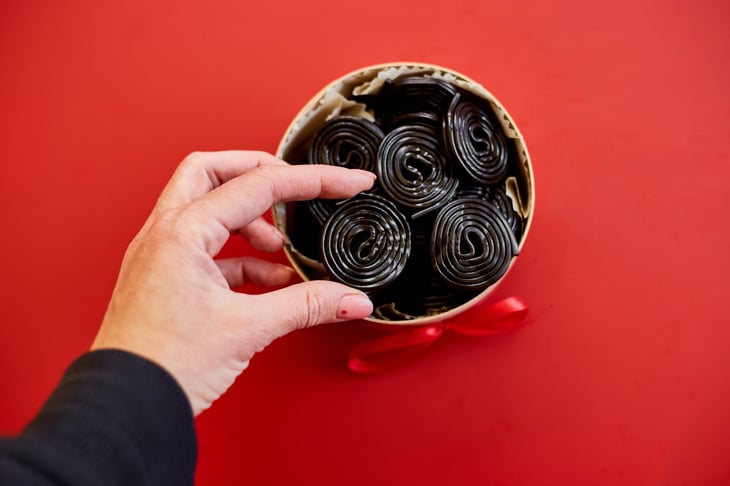
Licorice root can be bought in sticks, powder or supplements. It’s also a key ingredient in many black licorice candies.
According to the British Heart Foundation, eating a moderate or large amount of black licorice daily can be harmful. That’s because it contains glycyrrhizin, a compound found in licorice root that is about 30 to 50 times sweeter than sugar. It also affects the body’s potassium and sodium levels.
Because black licorice products vary in their composition, however, it can be difficult to determine how much is too much.
Candy products labeled as licorice don’t always include actual licorice and thus don’t come with the additional risk of high blood pressure that products with actual licorice root do. So be sure to double-check the ingredients.

Add a Comment