


High blood pressure is called the “silent killer.”
Measuring your blood pressure is an essential part of monitoring your health. There’s a reason why most doctors and clinics will take it at the beginning of every visit!
High blood pressure, which is known medically as hypertension, generally has no warning signs but can lead to life-threatening conditions such as strokes and heart attacks. So regular monitoring at home is important. It allows you to identify high blood pressure early on, giving you and your medical providers time to intervene before you face severe consequences.
With these readings being so vital, taking your blood pressure correctly is crucial. Following are some basic mistakes to avoid.
1. Never taking your blood pressure

The No. 1 mistake you could possibly make when it comes to taking your blood pressure is not doing it at all. It’s the only way to know if you have high blood pressure, which, according to the National Institutes of Health, is linked to potentially fatal health conditions.
Unlike many other health conditions that manifest with noticeable symptoms, hypertension can quietly develop over an extended period.
Still, a 2022 study published in JAMA Network Open, a journal of the American Medical Association, found that even among patients who take medication for hypertension or have a hypertension-related health condition, less than half (48%) monitor their blood pressure.
2. Using an unreliable device
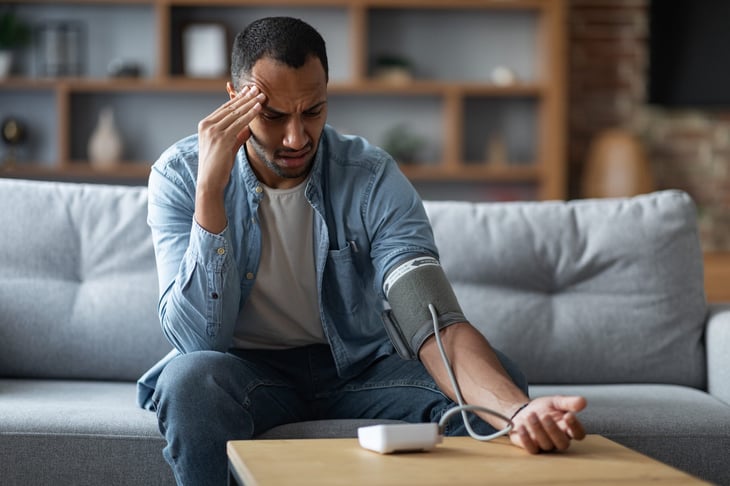
A healthcare provider can check your blood pressure during an appointment, and some places such as pharmacies provide free readings. Having a device at home makes it easier for you to track your blood pressure, but your device needs to be accurate. Regularly monitoring your blood pressure isn’t helpful if the readings are incorrect.
The American Medical Association keeps a list of accurate devices that the organization has vetted on its ValidateBP.org website.
3. Using the wrong size cuff
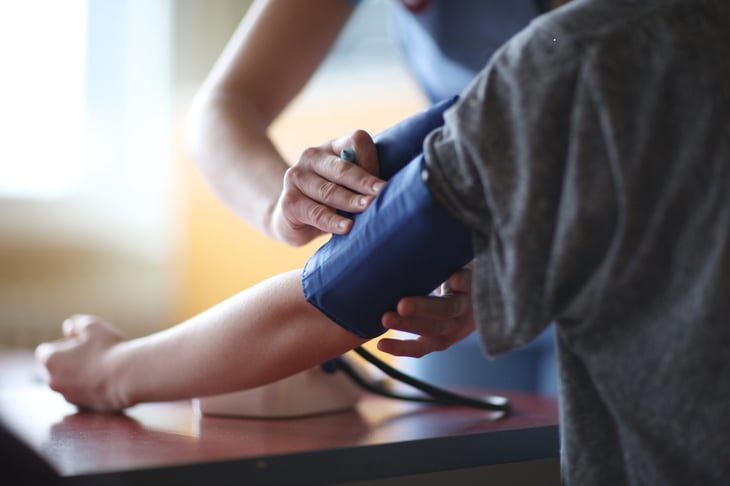
According to the American Heart Association, cuff size matters. A 2022 study published in an AHA medical journal found that devices often gave inaccurately high readings if the cuff was too small for the patient. Conversely, using a cuff that’s too large sometimes resulted in inaccurately low readings.
The study concluded that people who have a mid-upper arm circumference of more than 32 centimeters (12.6 inches) should use a large or extra-large cuff rather than a regular cuff. Those with a mid-upper arm circumference of 20 to 25 centimeters (7.9 to 9.8 inches) should use a small cuff instead of a regular one.
4. Drinking coffee, tea or soda beforehand

Avoid consuming any caffeine within 30 minutes of taking a reading, as it can raise your blood pressure regardless of whether your baseline pressure is high.
Caffeine raises blood pressure by constricting blood vessels, an effect that begins within 30 minutes of consumption and reaches its peak at one hour.

5. Exercising beforehand

Regular exercise is a key component of a healthy lifestyle, and it can help maintain healthy blood pressure, as we reported in “This Simple Exercise Lowers Blood Pressure the Most.”
You should avoid working out or doing anything that would elevate your heart rate before taking a blood pressure reading, though. Exercising can temporarily increase your blood pressure for up to two hours.
6. Improper posture
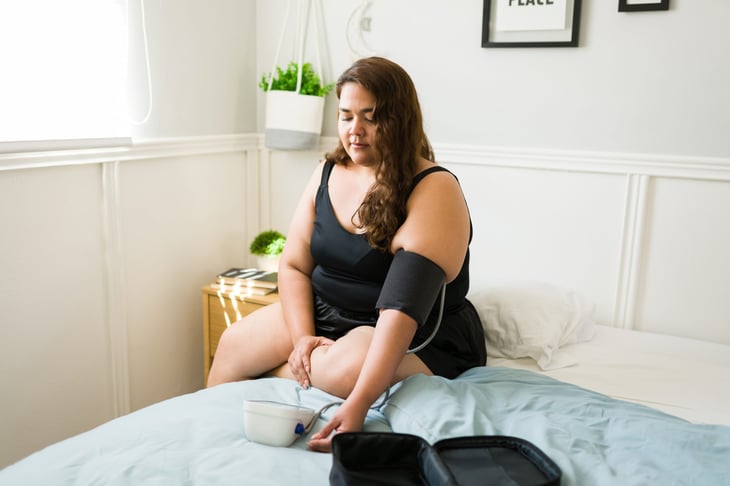
There’s a right and wrong way to position yourself during a reading. Make sure you’re sitting in a comfortable seat that’s supporting your back. The Centers for Disease Control and Prevention says you should sit there for five minutes before taking your blood pressure.
Ensure that both feet are flat on the ground and your legs are uncrossed. And your arm with the cuff should be resting on the table at heart level.
7. Only measuring once
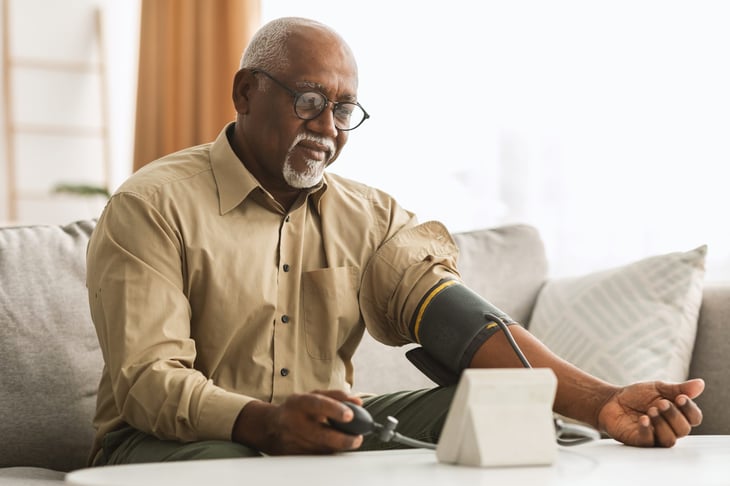
Always measure twice when monitoring your blood pressure at home. Harvard Medical School suggests taking at least one reading on each arm.
Readings may be higher in one arm than in the other, but the difference should only be about 5 points or less. You should speak to a doctor if the difference is consistently more than 10 points, as that could indicate a health issue.
8. Putting the cuff over your sleeve
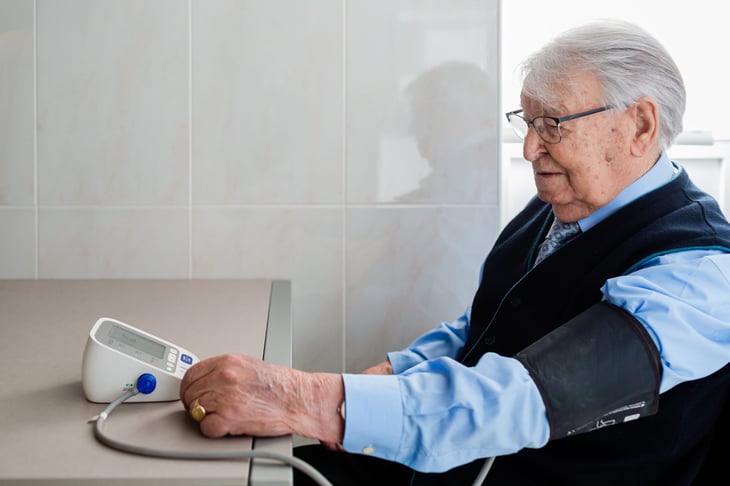
Depending on the thickness of your shirt’s fabric, putting a blood pressure cuff over a sleeve can add as much as 50 points to a reading, according to the American Heart Association. An inaccurate reading can mean you don’t get the medical care you need, or you’re given medical care that hurts more than it helps.
9. Not using the restroom beforehand
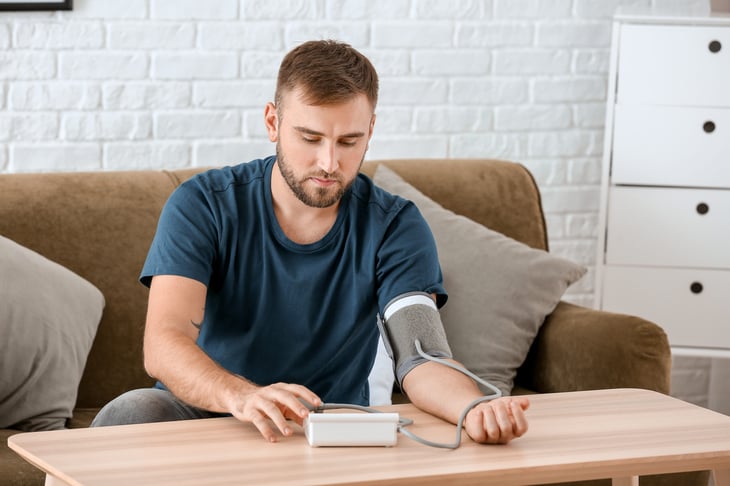
A full bladder can elevate your blood pressure temporarily, but it will go back down after you go to the restroom. So go to the bathroom first if you’re planning on taking a reading.
10. Talking while measuring

Don’t talk during your blood pressure reading, as talking can elevate your blood pressure and thus lead to a falsely elevated reading.
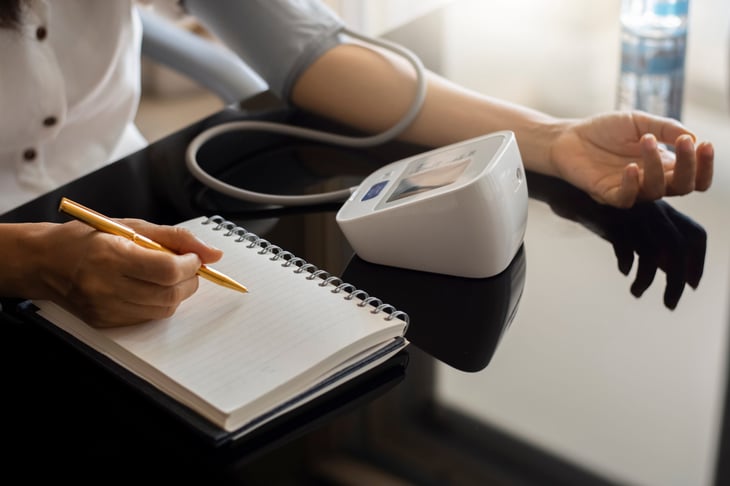
11. Not taking notes
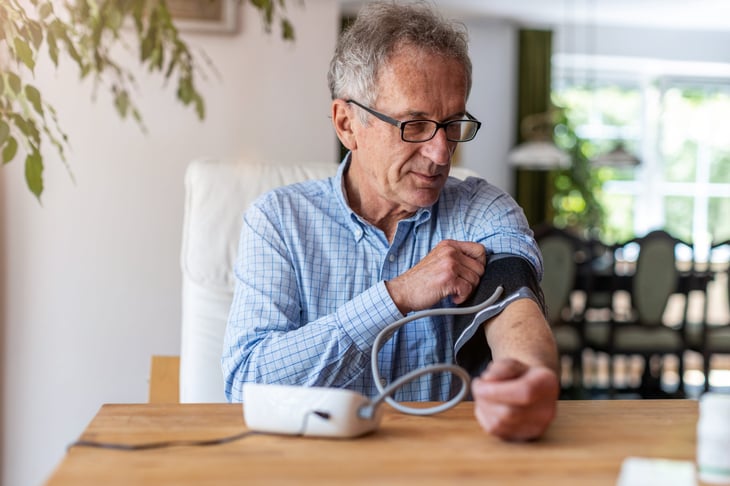
Your healthcare providers will log your vitals every time they take them, and you shouldn’t be exempt from this practice. Keeping track of your readings allows you to see trends in your blood pressure over time and identify concerns. The Centers for Disease Control and Prevention provides a log that you can print out and use for free.

Add a Comment