



Economic downturns are inevitable, but that doesn’t mean your investments have to suffer. Some assets tend to hold their value—or even thrive—when the economy slows down. Choosing the right investments can help protect your wealth and secure your financial future.
Recession-resistant investments typically provide steady income, retain value despite market downturns, and serve essential needs that remain in demand. Adding these assets to your portfolio can reduce risk and stabilize during uncertain times.
Here are five investment options that can help you survive and prosper, no matter what the market does next.
1. Dividend-Paying Stocks Provide Steady Income

When stock prices drop, steady dividend payments can soften the blow. Many well-established companies continue paying dividends during economic downturns, providing investors with reliable income.
Sectors like consumer staples, healthcare, and utilities often maintain dividends because their products remain in demand regardless of market conditions. These payouts can help offset market losses and provide reinvestment opportunities at lower prices.
To strengthen your portfolio, consider Dividend Aristocrats—companies that have increased their dividends for at least 25 years. Investing in dividend exchange-traded funds (ETFs) is another way to gain exposure to recession-resistant stocks while spreading risk across multiple companies.
Pro Tip: If you’ve got more than $100,000 in savings, get some advice from a pro. SmartAsset offers a free service that matches you to a vetted, fiduciary advisor in less than 5 minutes.
2. Precious Metals Shine When Markets Falter

Gold and silver have long been safe havens during economic uncertainty. When stock markets decline, and inflation rises, investors flock to precious metals, increasing prices.
Unlike paper assets, gold and silver hold intrinsic value and are not directly tied to the performance of financial markets. Owning physical metals or investing in ETFs that track metal prices can hedge against recession-driven volatility.
Gold is particularly strong during inflation, while silver has industrial applications that help maintain demand. Some investors also diversify into platinum and palladium, which tend to be more volatile. While precious metals don’t generate income, they can offer stability when other investments struggle.
Pro Tip: Explore diversification options like precious metals investments, with opportunities to receive up to $15,000 in free metals through qualified purchases. If you’re over 50 and curious about investing in Gold, now is a great time to get your FREE 2025 Gold Information Kit and protect your future with physical precious metals!
3. Real Estate Stays Strong with the Right Properties

While some real estate markets dip during economic downturns, others remain resilient. Rental properties, particularly in high-demand areas, generate steady income since people always need housing.
Multifamily housing, self-storage units, and essential commercial properties (grocery stores and healthcare facilities) tend to hold their value even when the broader market struggles. These properties provide services that remain necessary regardless of economic conditions.
For investors who don’t want direct property ownership, real estate investment trusts (REITs) offer a way to gain exposure to recession-resistant properties without management responsibilities. REITs focusing on healthcare, infrastructure, and residential rentals can be strong options during downturns.
4. Bonds Offer Stability When Stocks Struggle

Government and high-quality corporate bonds tend to hold their value better than stocks during recessions. Treasury bonds, in particular, are considered some of the safest investments available, offering predictable interest payments regardless of market conditions.
Municipal bonds fund public projects and can also provide tax advantages and stable returns. Corporate bonds from well-established companies with strong balance sheets may offer higher yields than government bonds while maintaining lower risk than stocks.
Diversifying with a mix of short-term and long-term bonds can help balance risk. Short-term bonds provide liquidity, while long-term bonds offer steady income. Bond funds and ETFs can also help spread risk across multiple issuers, providing more stability during market downturns.
Pro Tip: What do you need money for? Get the best financial products for your needs here.
5. Consumer Staples Stocks Are Always in Demand
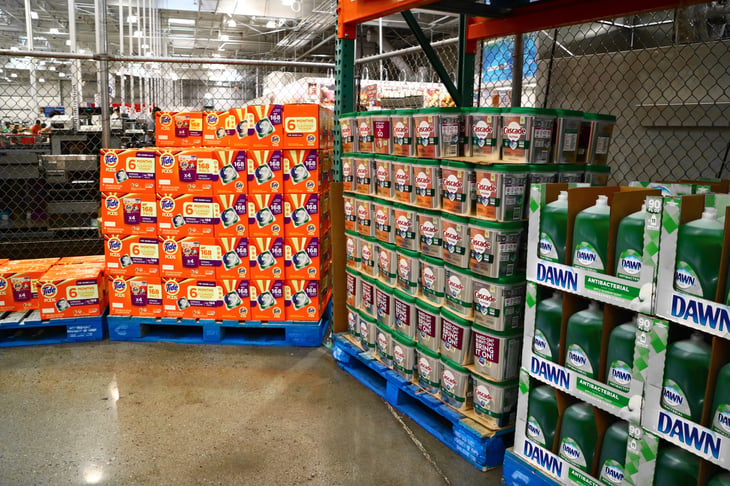
People may cut back on luxuries during recessions but still need food, household essentials, and healthcare products. Companies that produce these everyday necessities tend to perform well in downturns, making them solid investment choices.
Grocery chains, pharmaceutical companies, and significant household product brands maintain steady revenue even when consumers tighten their budgets. Companies like Procter & Gamble, Johnson & Johnson, and Walmart have historically remained strong in recessions.
Consumer staples ETFs allow investors to hold a range of essential product companies for broad exposure. These investments help ensure stability when the economy weakens, providing both resilience and long-term growth potential.
Fortify Your Finances Before the Next Recession

Recessions are unpredictable, but you can reduce risk and maintain financial stability with the right investments. Focusing on assets that provide steady income, retain value, or cater to essential needs can strengthen your portfolio during downturns.
A well-diversified portfolio—including dividend stocks, bonds, real estate, and precious metals—helps protect against market volatility. Taking steps now can position you for long-term financial security and ensure you’re prepared for whatever the economy brings next.

Add a Comment