


Editor's Note: This story originally appeared on Living on the Cheap.
Eating well on a budget doesn’t mean sacrificing nutrition or flavor. With some planning and creativity, you can enjoy delicious, wholesome meals without breaking the bank. The key is to focus on affordable, versatile ingredients that can be used in multiple ways.
I’ve compiled a list of budget-friendly foods, recipe ideas, and tips to help you save money while still eating like a king (or queen!).
Beans and Lentils
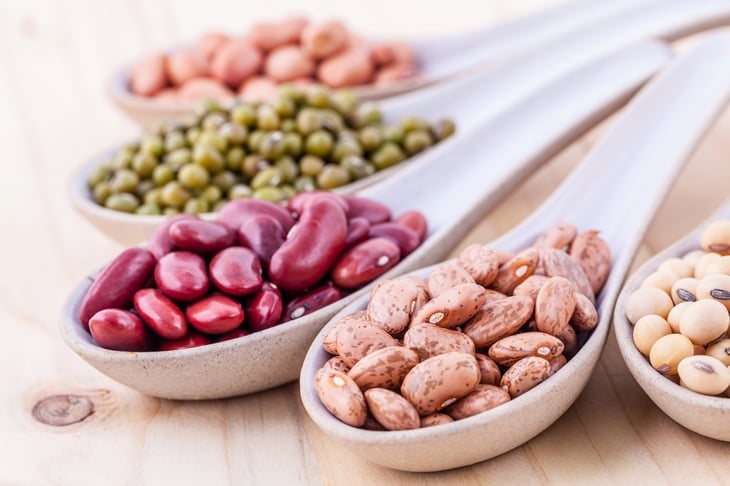
- Why they’re budget-friendly: Dried beans and lentils are incredibly cheap, especially when bought in bulk. They’re packed with protein, fiber, and essential nutrients.
- Recipe ideas: Make a big pot of chili, lentil soup, or black bean tacos. You can also blend cooked beans into dips like hummus or refried beans. So many options.
- Tip: Soak dried beans overnight to reduce cooking time and save on energy costs.

Rice
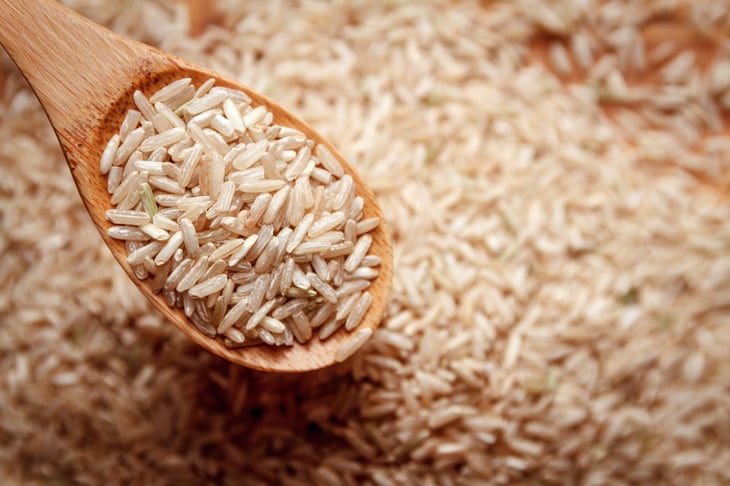
- Why it’s budget-friendly: Rice is a staple in many cultures — it’s affordable, filling, and versatile.
- Recipe ideas: Use it as a base for stir-fries, fried rice, or burrito bowls. Pair it with beans, veggies, or a fried egg for a complete meal. Brown rice and white rice are good on their own, too.
- Tip: Buy in bulk and store in an airtight container to keep it fresh for months.
Pasta
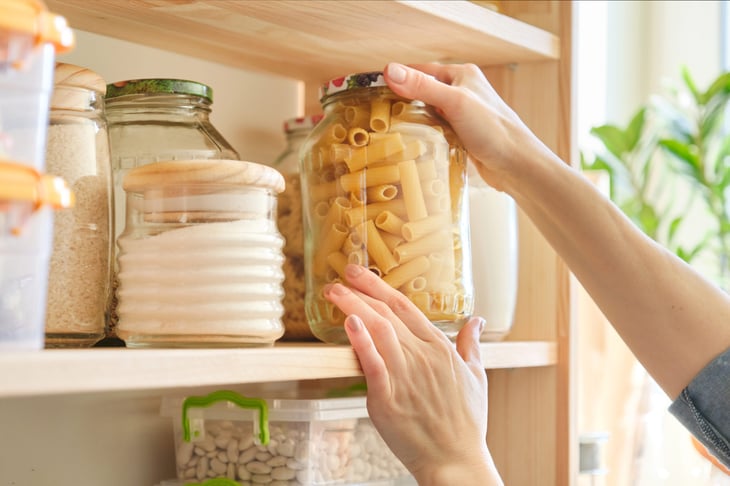
- Why it’s budget-friendly: Pasta is inexpensive, shelf-stable, and can be dressed up in countless ways.
- Recipe ideas: Toss with marinara sauce, olive oil and garlic, or a creamy cheese sauce. Add veggies or canned tuna for extra protein.
- Tip: Look for store-brand pasta — it’s often just as good as name-brand.

Oats

- Why they’re budget-friendly: Oats are a cheap and healthy breakfast option that can also be used in baking.
- Recipe ideas: Top oatmeal with fruit, peanut butter, or cinnamon. Use oats to make homemade granola or energy bars for an easy snack.
- Tip: Buy plain oats instead of pre-flavored packets to save money and avoid added sugar.
Potatoes
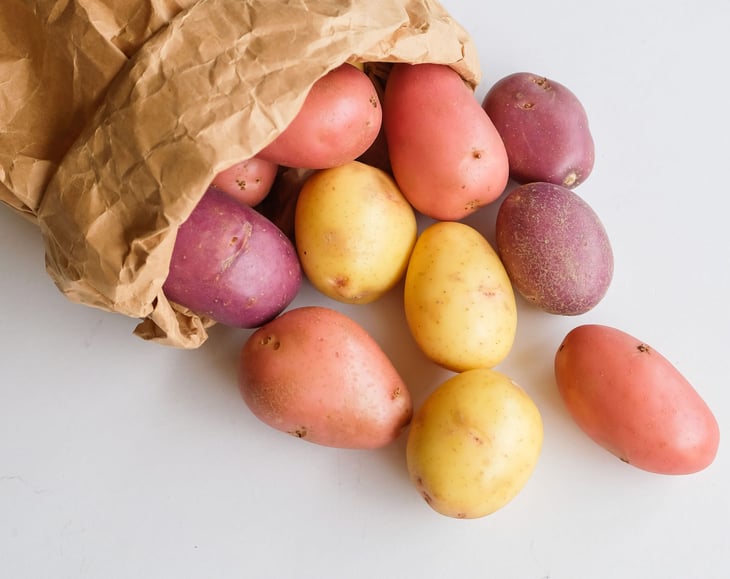
- Why they’re budget-friendly: Potatoes are one of the most affordable and filling vegetables. Grocery stores often have specials on them, making them super cheap.
- Recipe ideas: Bake them, mash them, or turn them into hash browns or potato soup. You can even air fry and make your own fries.
- Tip: Store potatoes in a cool, dark place to prevent sprouting.

Canned Tomatoes
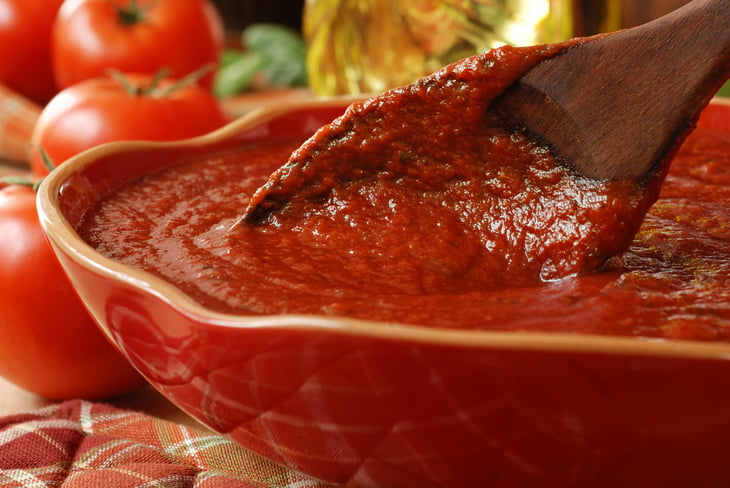
- Why they’re budget-friendly: Canned tomatoes are a pantry staple used in soups, stews, sauces, and more.
- Recipe ideas: Make a simple marinara sauce, chili, or homemade pizza sauce.
- Tip: Stock up when they’re on sale — they have a long shelf life.

Frozen Vegetables

- Why they’re budget-friendly: Frozen veggies are often cheaper than fresh and just as nutritious since they’re flash-frozen at peak freshness.
- Recipe ideas: Add them to stir-fries, soups, or casseroles. You can also just cook and serve them just like they are.
- Tip: Buy store-brand frozen veggies, which are as good as name brands.

Cabbage

- Why it’s budget-friendly: Cabbage is cheap, lasts a long time in the fridge, and can be used in various dishes.
- Recipe ideas: Make coleslaw, stir-fries, or stuffed cabbage rolls. All yummy.
- Tip: Use the outer leaves first to prevent waste.
Bananas
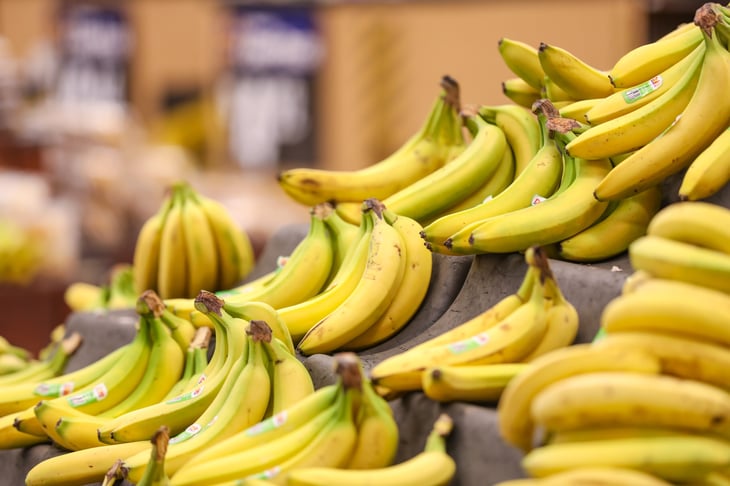
- Why they’re budget-friendly: Bananas are one of the cheapest and incredibly versatile fruits.
- Recipe ideas: Eat them as a snack, add them to smoothies, or bake them into banana bread.
- Tip: Buy them in bulk when they’re on sale and freeze overripe bananas for later use. (Be sure to remove them from the peel to freeze them.)

Peanut Butter

- Why it’s budget-friendly: Peanut butter is a cheap source of protein and healthy fats.
- Recipe ideas: Spread it on toast, add it to oatmeal, or use it in sauces for noodles. (I even eat it by the spoonful!)
- Tip: Look for natural peanut butter to avoid added sugars and oils.
Canned Tuna or Sardines
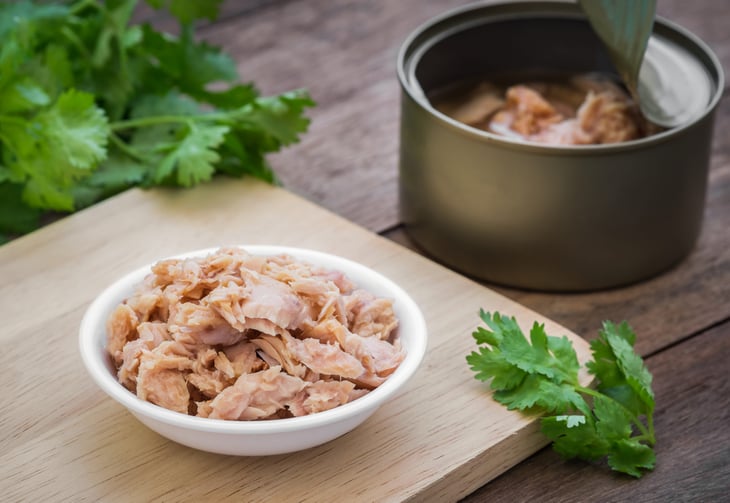
- Why they’re budget-friendly: Canned fish is an affordable source of protein and omega-3s.
- Recipe ideas: Make tuna salad, pasta with tuna, or sardines on toast.
- Tip: Buy in bulk when on sale and opt for store-brand options.

Whole Chicken

- Why it’s budget-friendly: Buying a whole chicken is cheaper per pound than buying individual cuts.
- Recipe ideas: Roast the chicken, use the meat for sandwiches or salads, and make stock from the bones.
- Tip: Learn to break down a whole chicken yourself to save even more.
Greek Yogurt

- Why it’s budget-friendly: Plain yogurt is affordable and can be used in sweet and savory dishes.
- Recipe ideas: Use it as a base for smoothies, parfaits, or dips. You can also use it on baked potatoes.
- Tip: Buy larger containers instead of single-serve cups to save money.

Bread

- Why it’s budget-friendly: Bread is a cheap and versatile staple.
- Recipe ideas: Make sandwiches, toast, or bread pudding. If you have a breadmaker, make your own at home.
- Tip: Buy day-old bread at a discount and freeze it for later use.

Money-Saving Tips for Cooking and Serving

- Meal Prep: Cook in bulk and portion out meals for the week. This reduces food waste and saves time.
- Use Leftovers: Repurpose leftovers into new meals. For example, turn roasted chicken into chicken salad or soup.
- Shop Seasonally: Buy fruits and vegetables that are in season — they’re often cheaper and tastier.
- Buy in Bulk: Purchase non-perishable items like rice, beans, and oats in bulk to save money in the long run.
- Avoid Pre-Packaged Foods: Pre-cut veggies and pre-made meals are convenient but often more expensive.
- Grow Your Herbs: Fresh herbs can be pricey, but growing your own is easy and cost-effective.
- Use Your Freezer: Freeze leftovers, overripe fruits, and bulk purchases to extend their shelf life.
- Plan Your Meals: Create a weekly meal plan and shopping list to avoid impulse buys.
Eating on a budget doesn’t mean you have to compromise on taste or nutrition. By focusing on affordable, versatile ingredients and cooking at home, you can enjoy delicious meals while saving money. With a bit of creativity and planning, you’ll find that eating well on a budget is possible and rewarding.


Add a Comment