



Editor's Note: This story originally appeared on Upgraded Points.
For recent college graduates, it’s a particularly difficult time to enter the job market.
Economic uncertainty, a cooling in white-collar hiring, and artificial intelligence’s increasing takeover of entry-level roles are contributing to a more competitive landscape for recent college graduates — and higher levels of unemployment.
In fact, a recent analysis by the Financial Times found that young men with college degrees are now just as likely to be unemployed as their peers without a college education.
Perhaps not surprisingly, college enrollment among Gen Z has been declining as more young adults question whether a costly degree still offers a reliable return on investment.
With fewer high school graduates pursuing higher education and many recent graduates still searching for stable, full-time work, the burning question these days is how far a college degree goes financially.
Although what college a young job seeker went to and what major they chose are still key in determining the job they get and how much money they make after graduation, where a graduate lives is also a major factor in long-term financial outcomes.
To help students better understand these impacts, researchers analyzed which U.S. metro areas are most and least affordable for recent college graduates. Find out more about the methodology at the end.
Here are the top most affordable cities for recent grads, followed by the least expensive cities.
10. Indianapolis-Carmel-Greenwood, IN

- Recent college grad earnings gap: +$9,380
- Median earnings for recent college grads: $55,590
- Income required to cover necessities: $46,210
- Housing costs: $11,940
- Food costs: $3,950
- Transportation costs: $12,440
- Health care costs: $5,260
- Other necessities costs: $5,350
- Income taxes: $7,270
9. San Francisco-Oakland-Fremont, CA

- Recent college grad earnings gap: +$9,810
- Median earnings for recent college grads: $82,360
- Income required to cover necessities: $72,550
- Housing costs: $24,250
- Food costs: $5,250
- Transportation costs: $12,430
- Health care costs: $6,600
- Other necessities costs: $9,930
- Income taxes: $14,090
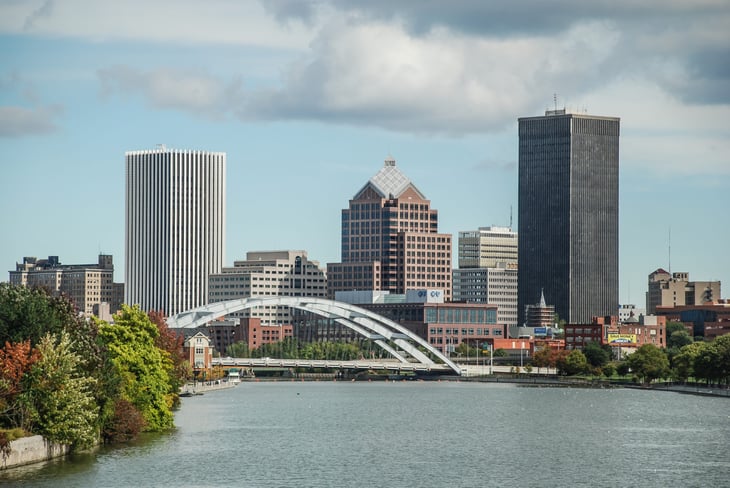
8. Rochester, NY
- Recent college grad earnings gap: +$10,230
- Median earnings for recent college grads: $57,650
- Income required to cover necessities: $47,420
- Housing costs: $11,120
- Food costs: $4,370
- Transportation costs: $12,300
- Health care costs: $6,450
- Other necessities costs: $5,210
- Income taxes: $7,970
7. Providence-Warwick, RI-MA

- Recent college grad earnings gap: +$10,330
- Median earnings for recent college grads: $61,770
- Income required to cover necessities: $51,440
- Housing costs: $15,580
- Food costs: $4,640
- Transportation costs: $11,600
- Health care costs: $4,430
- Other necessities costs: $6,800
- Income taxes: $8,390
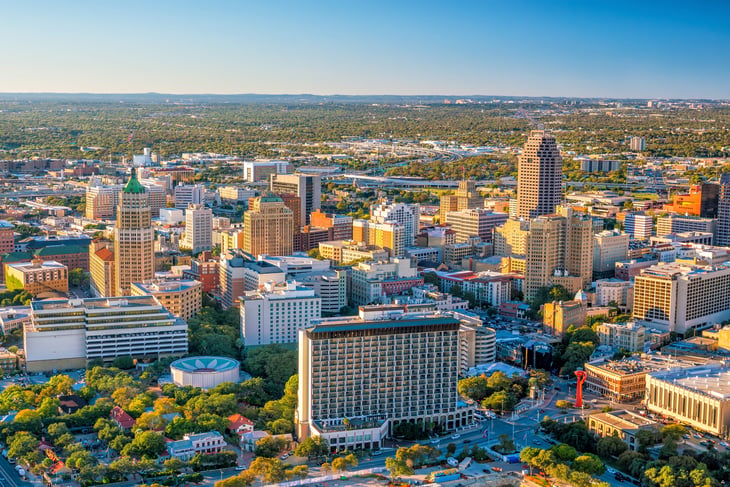
6. San Antonio-New Braunfels, TX
- Recent college grad earnings gap: +$11,920
- Median earnings for recent college grads: $57,650
- Income required to cover necessities: $45,730
- Housing costs: $12,790
- Food costs: $3,650
- Transportation costs: $12,520
- Health care costs: $5,060
- Other necessities costs: $5,530
- Income taxes: $6,180
5. Detroit-Warren-Dearborn, MI

- Recent college grad earnings gap: +$13,620
- Median earnings for recent college grads: $56,620
- Income required to cover necessities: $43,000
- Housing costs: $11,140
- Food costs: $4,140
- Transportation costs: $11,830
- Health care costs: $4,320
- Other necessities costs: $5,140
- Income taxes: $6,430
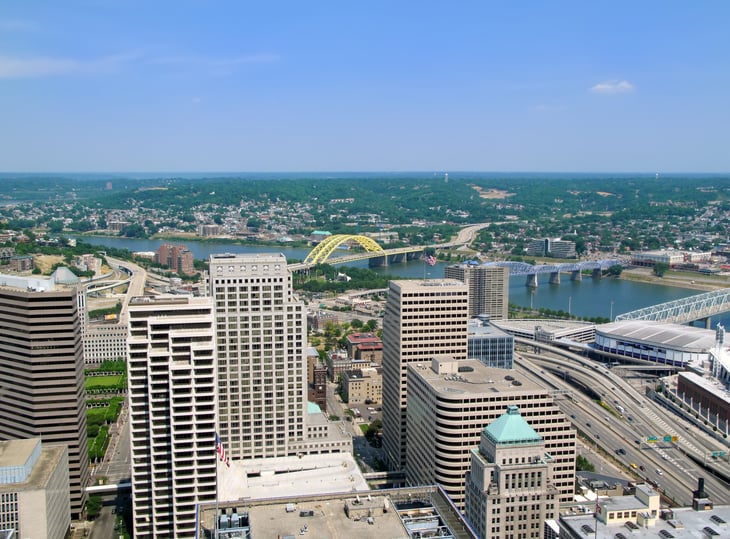
4. Cincinnati, OH-KY-IN
- Recent college grad earnings gap: +$13,930
- Median earnings for recent college grads: $56,620
- Income required to cover necessities: $42,690
- Housing costs: $9,810
- Food costs: $4,010
- Transportation costs: $12,380
- Health care costs: $5,400
- Other necessities costs: $4,650
- Income taxes: $6,440

3. Houston-Pasadena-The Woodlands, TX

- Recent college grad earnings gap: +$15,760
- Median earnings for recent college grads: $61,770
- Income required to cover necessities: $46,010
- Housing costs: $13,010
- Food costs: $3,810
- Transportation costs: $12,350
- Health care costs: $4,940
- Other necessities costs: $5,660
- Income taxes: $6,240
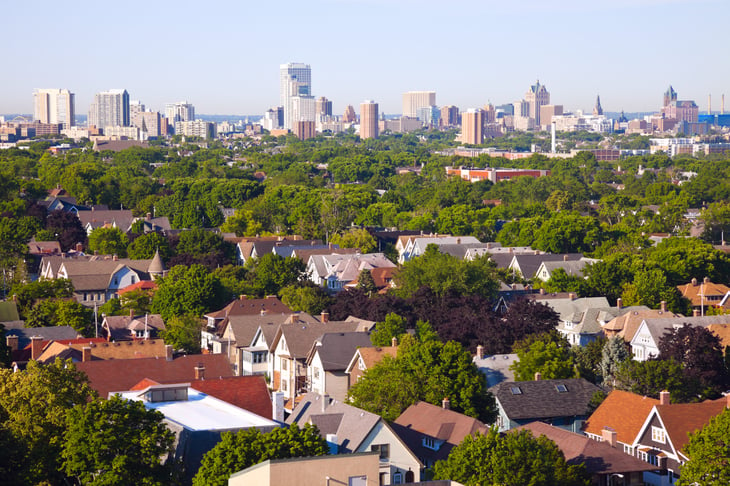
2. Milwaukee-Waukesha, WI
- Recent college grad earnings gap: +$18,590
- Median earnings for recent college grads: $61,770
- Income required to cover necessities: $43,180
- Housing costs: $10,450
- Food costs: $4,290
- Transportation costs: $11,450
- Health care costs: $5,180
- Other necessities costs: $4,960
- Income taxes: $6,850
1. Tucson, AZ

- Recent college grad earnings gap: +$19,260
- Median earnings for recent college grads: $61,770
- Income required to cover necessities: $42,510
- Housing costs: $10,870
- Food costs: $4,040
- Transportation costs: $11,830
- Health care costs: $4,530
- Other necessities costs: $5,020
- Income taxes: $6,220
The 5 least affordable cities for recent grads

Sacramento, CA
- Median earnings for recent college grads: $53,530
- Income required to cover necessities: $60,210
- Earnings gap: -$6,680
Virginia Beach, VA
- Median earnings for recent college grads: $45,300
- Income required to cover necessities: $52,280
- Earnings gap: -$6,980
Orlando, FL
- Median earnings for recent college grads: $49,420
- Income required to cover necessities: $57,780
- Earnings gap: -$8,360
Riverside, CA
- Median earnings for recent college grads: $49,420
- Income required to cover necessities: $58,690
- Earnings gap: -$9,270
San Diego, CA
- Median earnings for recent college grads: $61,770
- Income required to cover necessities: $71,410
- Earnings gap: -$9,640
Methodology

This analysis uses data from the Economic Policy Institute 2025 Family Budget Calculator and the U.S. Census Bureau 2023 American Community Survey Public Use Microdata Sample to assess the affordability of U.S. metro areas for recent college graduates — defined here as individuals from 22 to 27 with a bachelor’s degree or higher, working full time.
Affordability is measured as the gap between median earnings and the local income needed to maintain a modest but adequate standard of living, based on EPI estimates. Earnings were inflation-adjusted to 2024 dollars.
EPI’s income thresholds include the cost of housing, food, transportation, health care, taxes, and other necessities for a single adult with no children. County-level cost data was aggregated to the metro areas and state levels using population-weighted averages.
Only metro areas with complete data and a relative standard error below 10% were included.

Add a Comment