



Could you really lose your property to a home title thief, as scary ads for companies like Home Title Lock warn?
It happened to an Oklahoma City family fighting eviction from their own home. It happened to a Houston woman who planned to pass down to her son a vacant lot upon which he could start building his wealth.
And it almost happened to Elvis Presley’s former home, Graceland, but that brazen theft attempt was thwarted.
“Home title theft is real,” fraud-fighting California attorney David Fleck tells Money Talks News; however, it’s not likely to happen to you. “But when it happens, it’s the worst form of ID theft, and it’s a pain in the neck to unwind it.”
Read on to learn what title monitoring services do and don’t do, how home title thieves operate, how to protect yourself for free and how, even if someone does steal your house, you’re likely covered already.
Title monitoring doesn’t ‘lock’ your title

Title fraud, sometimes also called title theft, typically involves a fraudster forging a deed to give the appearance that a property title, or ownership, was changed.
You can’t lock your home title in the same sense as you can freeze your credit or even freeze your Social Security number, however. This means title monitoring cannot prevent title fraud.
Home Title Lock’s claims may be overstated at best, say critics.
The company claims it “locks” your title through 24/7 monitoring, urgent customer alerts and restoration help, Art Pfizenmayer, a retired FBI agent and Home Title Lock advisor, tells Money Talks News. But that’s all after the fraud is committed.
The company’s proprietary software “locks on” to your title in constantly updated property databases and notifies you if your title is disturbed or corrupted in any way, Pfizenmayer says. Your fast response can keep the bad guys from cashing in and getting away before they’re even noticed.
Title fraud is relatively uncommon

How common title fraud is depends in part on whom you ask, but it’s uncommon relative to other types of fraud.
Fleck has chased fraudsters for more than 25 years, first as a Los Angeles prosecutor and since 2009 in private practice. Based on anecdotal discussions with real estate industry professionals, he estimates there are about 10,000 title theft cases a year in the U.S.
The FBI’s Internet Crime Complaint Center registered more than 859,000 complaints in 2024. Of those, about 9,400, or just over 1% of all complaints, were real estate fraud complaints. But the FBI doesn’t track home title fraud separately, so title fraud complaints are only a portion of the 9,400 reported real estate fraud complaints.
More than a dozen other types of fraud — including those involving phishing or spoofing, personal data breaches and even extortion — were reported to the FBI far more often than title fraud in 2024.
Still, Christine Gilmore, California-based vice president of sales at Chicago Title, tells Money Talks News title fraud is rampant.
“We’re seeing a lot of fraud across the internet and through impersonation,” she says.
Nearly 3 in 10 title companies out of 783 answering a survey experienced at least one seller impersonation fraud attempt in 2023, according to the American Land Title Association (ALTA). Fake notary credentials and unauthorized use of real notary credentials were common in those fraud attempts, ALTA says.
The biggest threat, though, isn’t to primary homes. It’s to properties that are not owner-occupied.
When the National Association of Realtors surveyed real estate industry professionals for its 2025 Deed and Title Fraud Survey, the vast majority — 62% — said the title fraud cases they were aware of involved vacant land. Only 12% were aware of fraud involving owner-occupied homes.
Title thieves’ prime targets

Anyone can be a target, but fraudsters mainly seek property to which nobody is likely paying attention, Fleck and others say. That includes vacant farmland, vacation homes and empty city buildings.
They go where home values are highest, Fleck says, noting that Hawaii, Florida and Texas are seeing upticks in real estate fraud.
They also prey on elderly homeowners who’ve paid off their mortgages and who might not be savvy enough to deal with the situation.
If you recently purchased a home and have a large mortgage, title thieves likely won’t want to steal your property.
In Detroit, the director of a nonprofit agency faces fraud, money laundering and identity theft charges in what the U.S. Department of Justice says was a conspiracy to steal more than 30 homes from people she was supposedly assisting to avoid tax foreclosures. She filed fraudulent deeds and transferred properties from the victim-owners to nonexistent “interim owners” before selling the homes to unwitting third parties, feds say.
How title fraud actually works

Deeds, liens and other property claims are recorded to establish land ownership, settle disputes and prevent fraud. However, as publicly accessible records, they can be exploited by crooks.
Home Title Lock spokesman Matthew Cox, a convicted home title thief, says in news reports and ads that people don’t realize how “easy” it is to steal a home with just a few documents.
“I can take the deed to your house and transfer that into my name,” Cox warns.
But these are all the steps he would actually need to take to do that, according to Fleck and others, such as Washington state real estate agent and former lawyer Chuck Marunde:
- Steal your personal information, such as your Social Security number, date of birth and other sensitive details.
- Prepare a deed that includes information he could glean from your current deed and other public records available from county recorders’ and assessors’ offices.
- Use a notary stamp to make any forged signatures look legitimate. That involves either conspiring with a corrupt notary public or getting a phony stamp. Fleck displayed in a title theft webinar an obviously phony stamp he ordered on Amazon.
- File the phony document and pay fees at a county recorder’s office, also known as the register of deeds and similar names in some states.
Once the documents are recorded, the fraudster could flip your property for cash from an innocent buyer, get a mortgage or home equity loan that you wouldn’t know about until the lender comes to you to collect it, or rent it out and pocket tenants’ payments.
The fraudsters often offer to sell the property for less than market value with a fast-closing schedule, or seek just a small home equity loan so as not to trigger too much attention and due diligence, Chicago Title’s Gilmore says.
What title monitoring services do

Home Title Lock might be a familiar name, but title monitoring, alert and restoration services are available from identity theft prevention companies such as Aura and Identity Guard (both owned by the same company), IDStrong and LifeLock, which also offers a stand-alone title monitoring service, and others.
“We monitor deeds with county records nationwide through several means, including online, through electronic data feeds, and court runners,” LifeLock spokesperson Shashwat Pradhan tells Money Talks News. “These deeds are updated whenever there are any changes made to financing or ownership.”
You’re notified whenever the system detects a change in ownership, financing, new lender, notice of default or a new property in your name, Pradhan says.
Home title theft commonly includes some form of identity theft, such as a loan opened with your personal information and using your home as collateral, he explains. LifeLock’s Ultimate Plus plan services can include hiring lawyers to help resolve the issue, reimbursing expenses incurred because of the identity theft and reimbursing stolen funds.
“Our goal with any identity theft incident is to resolve the issue as if it never occurred,” Pradhan says.
You’re probably covered already for title fraud

Title insurance you buy when you purchase a home is traditionally known to cover you for title defects such as liens missed before you buy a property. But beginning around 1999, Fleck says, homeowners’ title insurance policies contain language that you’re covered after the property purchase too.
Look at your list of covered risks for language something like this example, as Fleck provided from ALTA: “Someone else claims to have rights affecting Your Title because of forgery or impersonation.”
“[T]he ALTA Homeowner’s Policy protects the owner against a third party who fraudulently transfers the property in the future,” CEO Diane Tomb says in the ALTA report on seller impersonation fraud.
Chicago Title’s Gilmore says your policy guaranteeing that you’re the rightful owner of your property is good for the life of your purchase, which lasts as long as you own the property.

You can protect yourself for free
There are steps you can take on your own to guard against title fraud at no cost to you. Experts advise that you:
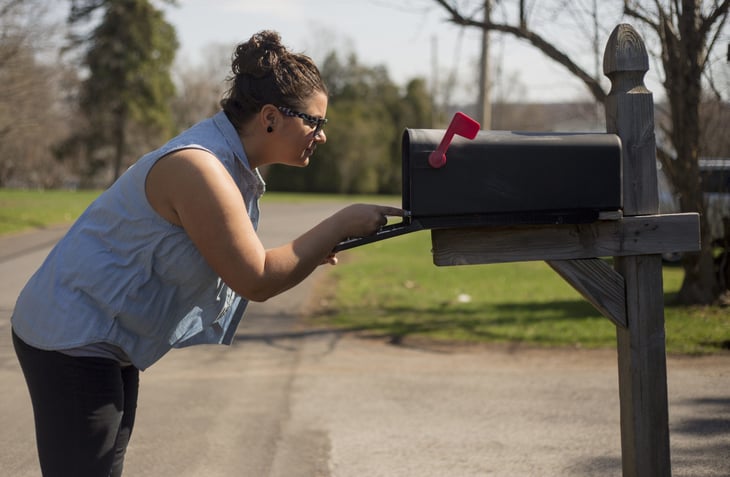
- Watch for unusual bills or other unexpected correspondence. If someone is trying to sell your home or use it as loan collateral, some kind of notice would be delivered to your house.
- Watch for changes to your mortgage statements or property tax bills, notices of liens or judgments, or difficulty accessing your mortgage or property tax accounts.
- Pay attention to bills you have on autopay. If you see automatic withdrawals stop, call the company or agency involved.
- Regularly review your credit report, which you can get for free from the three major credit reporting companies — Equifax, Experian and TransUnion — by going to AnnualCreditReport.com. You won’t see a deed filing on your credit report, but you might see suspicious accounts opened in your name or changes you didn’t make to existing accounts, which are often associated with title fraud.
- Track your mail with the U.S. Postal Service’s free Informed Delivery service, so you know what’s scheduled to be delivered. If expected insurance, utilities or mortgage paperwork doesn’t make it to your mailbox, you’ll know something’s wrong.
- Sign up for free notifications if offered by your county recorder’s office. Such programs will notify you when a document is recorded in your name. Some counties partner with private firms such as DoxPop in Indiana and Michigan or Property Fraud Alert in more than a dozen states. Click to see if your county is in their systems.
Some counties, including Hancock County, Indiana, are partnering with a new service called Equity Protect, which provides free reports showing your property’s fraud risk level. You have the option to sign up for Equity Protect’s paid service, which it says protects your property by recording a lien only you can remove. The lien prevents the recording of a new deed until you remove the claim, the company says.
What to do if title fraud happens to you

A forged deed is void and doesn’t really transfer title, but you have to prove it’s forged, Fleck says.
“It’s a huge nightmare,” he says.
The only way to take it back is a quiet title lawsuit, which can cost at a bare minimum $5,000 and take six months, Fleck says. In the meantime, you can’t sell the property or refinance it.
Take these steps if you suspect title fraud on your property, industry officials say:
- Contact a real estate lawyer.
- Place a free fraud alert on your credit report, so creditors will know to take extra steps to verify your identity before extending credit.
- Freeze your credit.
- Report your identity theft case to the Federal Trade Commission.
- File an official report with your local police department.
- Call your mortgage lender, who can help you protect your home and prevent the fraudster from opening other accounts in your name.
- Call your title insurance company to see if your policy covers you and if they can handle the resolution.
- Alert any title monitoring or identity theft service you’re subscribed to.

Add a Comment