



After months of speculation, interest rates are actually falling, at least for now. The Federal Reserve voted on Sept. 17 to decrease its target range for the federal funds rate. The decrease of 0.25 percentage point was the first cut since December 2024, bringing the range to 4% to 4.25%.
When the Fed cuts rates, it can have ripple effects throughout the economy — and on your wallet.
For some Americans, falling rates are a negative. (More on that later.) But many things get cheaper for consumers.
Here are some ways life can become more affordable when rates fall — plus the bad news about rate cuts.
1. Credit card borrowing

When the Fed raises the federal funds rate, credit card interest rates climb — and borrowers with big balances quickly find themselves drowning in a sea of red.
So, you can think of rate cuts as a series of life preservers. As the federal funds rate falls, credit card borrowing costs typically drop in tandem, bringing some relief to those who carry a balance month to month.
Of course, you would be better off eliminating that debt altogether if you have the ability. For more on how to do so, check out “8 Surefire Ways To Get Rid of Debt ASAP.”
2. Home loans

Today’s mortgage rates are much higher than they were several years ago. That has left many would-be buyers unable to afford a home.
A falling federal funds rate does not directly impact fixed mortgage rates. However, the two types of rates are not completely unrelated.
“There is a widespread myth that when the federal funds rate climbs, rates on fixed mortgages follow right behind it. That isn’t exactly so. There is no direct connection between the federal funds rate and fixed mortgage rates. However, the two do tend to move in the same general direction.”
The federal funds rate tends to have a more direct impact on the direction of adjustable-rate mortgages (ARMs). When the federal funds rate is falling, you can expect that your ARM rate might also decline the next time it resets.
So, a climate of lower interest rates overall should also be good news for those who want to buy a home and for many who already have an adjustable-rate mortgage.
3. Mortgage refinancing

Mortgage refinancing also tends to look more attractive when interest rates are falling.
It is unlikely that rates will fall low enough to benefit those who currently enjoy a mortgage in the 2% to 3% range — although the future is never clear, and anything is possible.
But those who took out mortgages in 2023 when rates were close to 8% might find a refinance looks more attractive in the near future.
4. Car loans

Like just about everything else in these inflationary times, cars have grown more expensive in recent years. Falling car loan rates would go a long way toward restoring affordability for millions of buyers.
As the federal funds rate falls, car loan costs tend to follow suit. As you wait for rates to become more attractive, try to save for a larger down payment. The more money you put down, the less you will pay in interest costs on a car loan, no matter the rate.

5. Home equity borrowing

The rate on a home equity line of credit (HELOC) is typically variable. That means that as the federal funds rate falls, HELOC costs also should decline.
It’s a different story for home equity loans, however. These typically have fixed rates, which means a falling federal funds rate should have no impact on those who already have agreed to loan terms.
6. Business loans

If you are a budding entrepreneur, your costs could decrease a little now that the Fed has resumed cutting rates.
The U.S. Small Business Administration’s 7(a) loan program — the federal agency’s most widespread loan program — offers variable-rate loans. That means these rates can climb and fall with the federal funds rate.
7. Tax debt
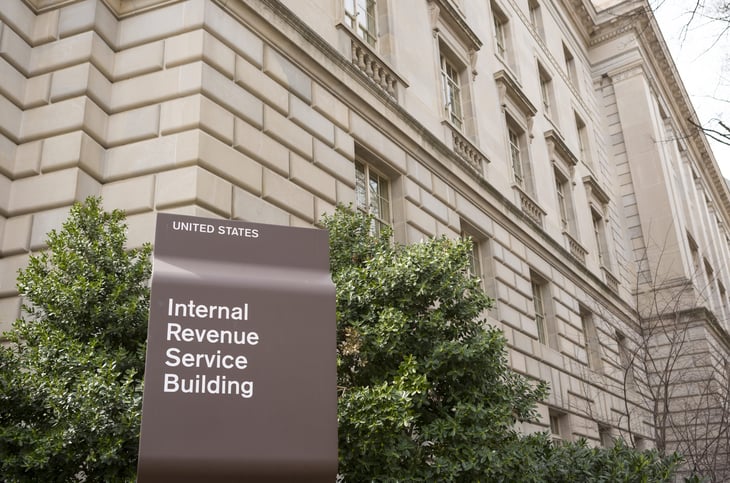
The interest rates that the IRS charges people and companies that underpay their taxes are influenced by the federal funds rate. So, a falling federal funds rate can mean lower IRS interest rates. That’s exactly what happened at the end of 2024. The IRS has yet to lower its rates again since then, but now that the Fed has made its first cut of 2025, IRS rates might soon decrease a tad.
The bad news

Falling rates will be a boon for millions of Americans. But other folks may be less thrilled about lower interest rates.
For example, rates on savings accounts and certificates of deposit (CDs) begin to drift lower after Fed rate cuts. That means if you have gotten used to returns of 4% — or higher — you might have to settle for a deal that is not as sweet. (See “8 of the Best Places to Put Your Money as Interest Rates Fall” to learn more about your options.)
Overall, those who are on fixed incomes or who carry little to no debt are likely to shed a tear or two as interest rates fall, even if falling rates may benefit the economy as a whole.

Add a Comment