



Interest rates are falling once again.
On Sept. 17, the Federal Reserve lowered its target range for the federal funds rate by 0.25 percentage points, bringing the range to 4% to 4.25%.
And more reductions are expected to follow, with the Fed signaling that two more cuts are likely by the end of the year.
When interest rates fall, it can have profound effects on your wallet. Rates on savings accounts and certificates of deposit (CDs) drift lower.
So, where should you put your money when the federal funds rate is trending down, making options like savings accounts less lucrative? Following are a few investments to consider.
Just keep in mind that your goals, your ability to stomach investment risk and the length of time that you can allow your savings to sit untouched will determine which strategy is best for you. If you are unsure, consider consulting a financial advisor.
Longer-term CDs

If you think interest rates are about to begin an extended period of falling, you might benefit from locking into a longer-term CD at today’s still relatively high rates.
If you put your money into a five-year certificate of deposit, for example, you will have the peace of mind of knowing the CD’s interest rate won’t fall during that time — and your money is insured.
Of course, if rates reverse direction and begin to climb again, you might regret having locked into the longer term. If you try to get out of the CD early, you may pay a penalty for the privilege of doing so. Many CDs have early-withdrawal penalties, though there are penalty-free CDs out there.
Series I bonds
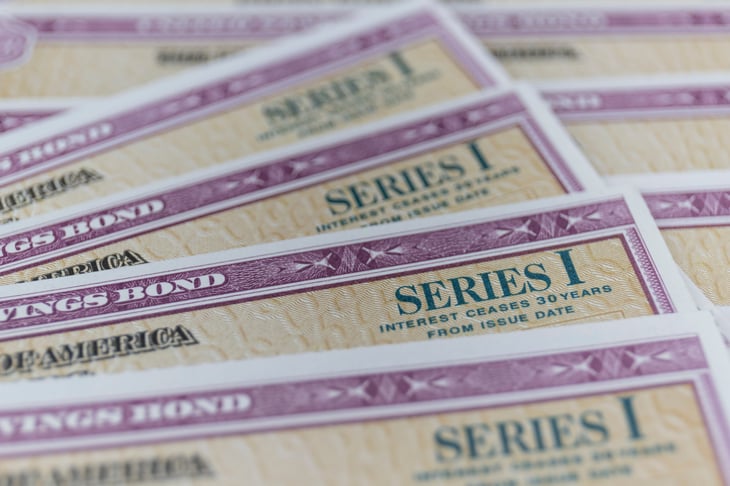
If you simply want to keep pace with inflation, you can do so by purchasing Series I government savings bonds.
Each I bond that you purchase gives you two types of interest — a fixed rate that remains in place for the life of the bond and an inflation-adjusted rate that changes every six months.
I bonds are also a good choice for people with a low risk tolerance, as bonds backed by the federal government are considered among the safest investments out there.
TIPS

Treasury inflation-protected securities — or “TIPS” — also offer a built-in inflation-protection component.
Like most Treasury securities, TIPS pay interest. Unlike other Treasury securities, the principal adjusts for inflation.
To learn more about I bonds and TIPS, check out “8 Safe and Smart Investments for Retirees.”
Other types of bonds
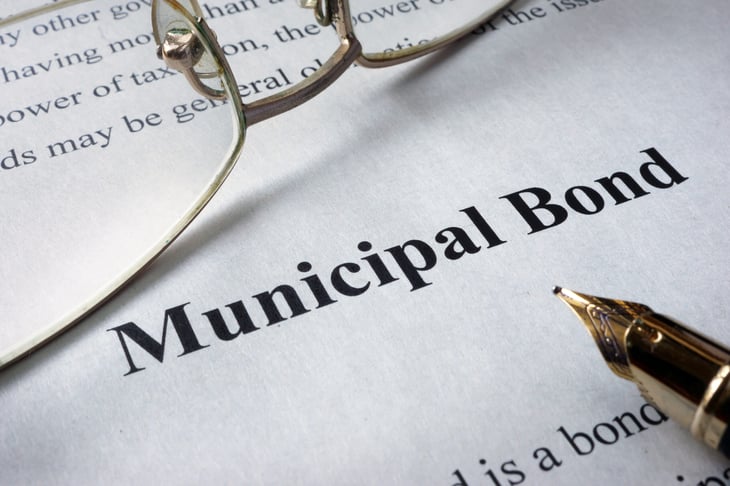
Falling interest rates may mean that yields on new bond purchases will be lower than they were in the recent past. However, if you lock in to longer-term bonds or make purchases in a bond mutual fund before rates start to fall significantly, you might benefit from higher returns on those purchases.
Just be aware that with this strategy, you are betting that interest rates will fall and stay lower than they are today. There is no guarantee of that happening, however.

Peer-to-peer lending

Peer-to-peer lending allows individuals — such as yourself — to lend money to others who need the cash. In return, you earn a little extra via the loan’s interest rate.
Well-known peer-to-peer lending sites include Prosper and Upstart.
Of course, this approach is not without risks. If the borrower defaults on the loan, for example, you could lose your cash.
Investment real estate

If interest rates continue to sink, you might consider pulling money from your savings account and using it to purchase investment real estate instead.
Purchasing the right rental property can result in hundreds or even thousands of dollars in passive income every month. However, owning rental properties also can come with many headaches.
A side hustle

Sometimes, you have to spend a little money to make more. Instead of parking your cash in a savings account with dwindling returns, you could invest that money in a side hustle — and in yourself.
For example, take the cash and use it to purchase items from yard sales, thrift stores and estate sales before turning around and flipping those goods for a profit on sites such as eBay and Etsy.
Ready to try your luck at reselling? Check out the advice of an expert in “Thrift Shopping for Profit? Avoid These 10 Brands, Professional Reseller Warns.”
Stocks
As interest rates climbed higher in recent years, some folks may have been tempted to trim their exposure to stocks. After all, if you can get a risk-free 5% return in a savings account or another ultra-safe option, why subject yourself to the stomach-churning volatility of the stock market?
But when interest rates fall, returns on such investments tend to turn increasingly paltry. That could force some people to wade back into stocks.
Just consider your time horizon before moving cash savings into stocks. While they tend to offer better returns than any other type of investment on this list, stocks are also high risk. In the event of an economic downturn, you might have to leave your savings in stocks for many years before you can sell at a profit. So, the stock market isn’t a good place for savings that you might need to access soon.

Add a Comment