


New tariffs are in motion, and the impact is hitting wallets nationwide. Your budget could take a serious hit, from higher prices on everyday essentials to rising costs on big-ticket items.
The good news? A few smart financial moves can help you weather the storm now and protect you from future tariff shocks or policy shifts. Here are seven ways to stay ahead and safeguard your bottom line.
Pro Tip: As tariffs drive up everyday costs, cutting expenses anywhere you can becomes essential. With AARP, you can unlock savings on dining, travel, prescriptions, and more for just $15 a year with auto-renewal. Join now and save hundreds to fight back against rising prices.
1. Bulk-buy imported essentials now

Tariffs drive up the prices of everyday items made abroad — think electronics, appliances, clothing, and even pantry staples like olive oil or coffee.
If there’s an imported item you regularly use, consider stocking up before prices surge. Bulk buying now is like locking in today’s prices for tomorrow’s inflation.
You don’t need to hoard, but a smart surplus of high-use items — printer ink, batteries, even skincare products — can add up to serious savings. Look for warehouse deals or seasonal sales to stretch your dollar even further while supply chains are still moving.
Ensure your savings have a hedge against rising prices. Consider diversifying with precious metals. If you’re over 50, you can get a FREE 2025 Gold Information Kit and explore how to protect your wealth — plus, you could receive up to $10,000 in free metals with qualified purchases.
2. Slash your dependency on imported brands

Imported luxury goods and name-brand items are often the first to be hit by tariffs. That $30 moisturizer or $200 air fryer might jump in price overnight.
Switch to high-quality domestic alternatives or generic options to keep your spending in check.
Local brands have stepped up their game in both quality and pricing. By choosing U.S.-made or non-imported goods, you’re also reducing your exposure to future price volatility — and possibly supporting small businesses in your area.
Swapping out imported brands is smart — and so is protecting the big-ticket items you already have. A home warranty from First American can help cover appliances, heating, and cooling systems if they break down. Take a second and see what policies cost and what they cover.
3. Rein in your variable rate debt — fast
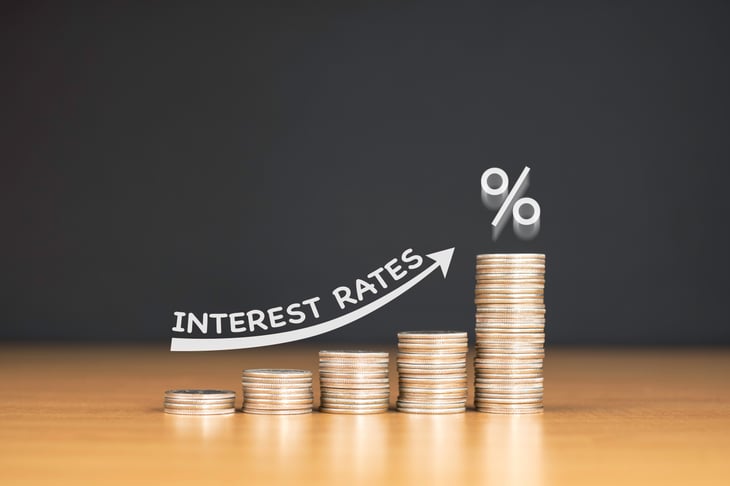
Trade wars can spook investors, trigger inflation fears, and cause interest rates to rise. If you’ve got credit cards, HELOCs, or variable-rate loans, now’s the time to refinance or consolidate.
You’ll want to lock in low fixed rates before things go sideways.
Even a small hike in interest rates can cost you hundreds or thousands over time. Review your debt now — before volatility sets in — and shift to predictable, fixed-rate options that won’t balloon if the economy hits turbulence.
If you have more than $20,000 in unsecured debt, get some professional help. National Debt Relief is a trusted source for free advice and assistance.
4. Build a tariff-proof emergency fund

Job security deteriorates when tariffs squeeze employers’ profits. Industries like manufacturing, retail, and logistics are particularly vulnerable.
If you work in any sector that relies on global supply chains, consider padding your emergency fund. Aim for six months of expenses — more if your income is commission-based.
Start by funneling any extra income — bonuses, tax refunds, or side hustle earnings — into a high-yield savings account. Even $25 a week adds up quickly and can buy you breathing room if tariffs tip the job market.
Earn as much as possible on your emergency savings. For example, SoFi Checking is offering 3.8% interest, plus a potential $300 signup bonus. (May change without notice.)
5. Don’t panic-sell your investments

Market volatility is par for the course when tariffs dominate headlines. But bailing out of your retirement accounts during a dip can lock in losses.
If you’re nervous, talk to a financial advisor about reallocating — not retreating. Tariffs may cause turbulence, but long-term gains usually reward the patient.
Consider a “stress test” on your portfolio: How would it perform if tariffs tighten in your sector? With guidance, you can adjust holdings toward more stable, less trade-exposed sectors without abandoning your investment goals.
Pro Tip: Unsure how your savings accounts will weather trade-driven market swings? If you have $100,000 or more invested, SmartAsset can match you with up to three vetted financial advisors — for free. Get expert help to rebalance without panic-selling.
6. Watch for “shrinkflation” in your shopping cart

Tariffs don’t always show up as higher prices — sometimes you pay the same for less. Shrinkflation is when products subtly reduce size, weight, or quantity while keeping the same price tag. Don’t fall for it. Compare unit prices and consider switching brands.
Also, watch for changes in packaging or new “formulas” that disguise cost-cutting. Keep receipts for key staples to track how pricing evolves — and call out brands that quietly cut corners.
Shrinkflation isn’t the only way you might be overpaying. Why pay more for home insurance? Take a few minutes to compare quotes from top providers and make sure you’re not getting quietly overcharged there, too.
7. Side hustle to add an income stream

Before layoffs hit or companies freeze hiring, diversify your income streams. A flexible side hustle now could turn into a financial lifeline if things tighten. Look for recession-resistant gigs like tutoring, pet sitting, or remote admin work.
The earlier you start, the more time you have to build income, ratings, or clients. Side gigs can also fund that emergency cushion or pay off debt quicker — key defenses against tariff-driven slowdowns.
Pro Tip: Want to boost your income without a major time investment? Over $55,000 is paid daily to this company's members who take surveys in their free time — an easy way to start earning before things tighten.
Get ahead of the tariff trap
You can’t control global trade policy — but you can outsmart the fallout. These seven money moves aren’t just defensive strategies — they’re long-term upgrades to your financial resilience.
Don’t wait for headlines to hit your wallet. Take action now, and you’ll sleep better knowing your money is one step ahead.
Gold has long been a safe haven during economic turbulence. Open a gold IRA to help protect your savings from inflation, market volatility, and the uncertainty triggered by global trade shifts.

Add a Comment