



Grocery prices keep climbing, and every dollar counts. But what if the food you’re paying for is packed with additives that drain your wallet and harm your health?
From artificial dyes to chemical preservatives, these ingredients lurk in everyday staples. Many processed foods seem like budget-friendly choices, but they come with hidden costs.
Understanding what’s in your food can help you make smarter shopping decisions. Avoid costly health issues, reduce unnecessary spending, and take control of your grocery budget.
Here are 10 food additives that could cost you more than you think.
1. BHA and BHT: Preservatives with Controversy

BHA and BHT are preservatives found in snacks, cereals, and gum. While the FDA allows them in small amounts, some research suggests they may disrupt hormones and impact liver function.
Countries like the U.K. and Japan have restrictions on these additives, but they’re still common in the U.S. Many preservative-free foods seem more expensive upfront but can lower long-term healthcare costs.
Reading labels and choosing additive-free options can be a smart financial and health move.
Pro Tip: Cut costs where it matters. Dining, travel, prescriptions, and more could be cheaper with AARP. It’s just $15/year with auto-renewal—an easy way to save. Join now and save hundreds.
2. Potassium Bromate: The Bread Improver with Risks

Potassium bromate is often added to bread and baked goods to improve dough elasticity and volume. However, studies have linked it to potential cancer risks in animal studies. As a result, it has been banned in countries like the U.K., Canada, and the European Union, though it remains legal in the U.S.
Checking labels for “potassium bromate-free” bread or choosing organic options can help reduce exposure.
3. Artificial Food Dyes: More Than Just Colorful

Brightly colored snacks, candies, and sodas often contain synthetic dyes like Red 40 and Yellow 5. Some studies link them to hyperactivity in children and possible carcinogenic effects.
Despite health concerns, these dyes are still widely used. Processed foods with artificial colors often cost more than natural alternatives, making them a double hit to your wallet and health.
Looking for better options? Beet juice, turmeric, and spirulina provide natural colorings with vibrant hues without compromising your well-being.
Pro Tip: Toxins aren’t just in food—health issues often go undetected until it’s too late. Get proactive with a simple screening test. Book a screening today for peace of mind.
4. Artificial Sweeteners: Too Good to Be True?

Artificial sweeteners like aspartame, saccharin, and sucralose are marketed as low-calorie sugar substitutes. While they may help reduce sugar intake, studies suggest they could negatively impact metabolism and gut bacteria.
Some research also indicates they may increase cravings for sweets, which can lead to overeating.
Instead of artificial sweeteners, consider natural alternatives like stevia or monk fruit. While they still require moderation, they come from plant sources rather than being chemically manufactured.
Pro Tip: Small choices add up—whether it’s cutting sugar or saving smarter. Make your emergency fund work harder with 4% interest plus a $300 bonus. Open a SoFi Checking account today.
5. High-Fructose Corn Syrup: A Hidden Sugar Bomb

High-fructose corn syrup (HFCS) is a cheap soda, cereals, and condiments sweetener. But its real cost is higher rates of obesity, insulin resistance, and fatty liver disease.
Unlike natural sugars, HFCS is processed by the liver, leading to fat buildup and potential long-term health expenses. It’s a major driver of rising medical costs linked to diabetes and heart disease.
While choosing natural sweeteners like honey or maple syrup may cost more upfront, it’s an investment in your health that could save thousands in medical bills later.
6. Sodium Nitrites and Nitrates: A Risk in Processed Meats
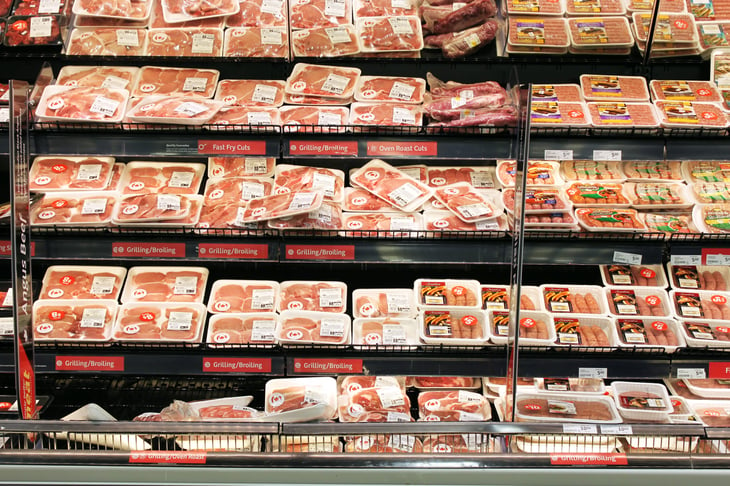
Sodium nitrites and nitrates keep processed meats looking fresh and bacteria-free. When heated, they can form compounds linked to cancer, raising long-term health concerns.
Processed meats may seem like a cheap protein source, but the hidden cost is higher medical expenses down the road. Studies link frequent consumption to heart disease and certain cancers.
Buying fresh, nitrate-free meats may be a better financial investment in your long-term health.
Pro Tip: Don’t overpay for what you don’t need—whether it’s processed foods or expensive car insurance. Compare rates and save up to $600 a year. Check your savings now.
7. Carrageenan: A Thickener with Digestive Concerns
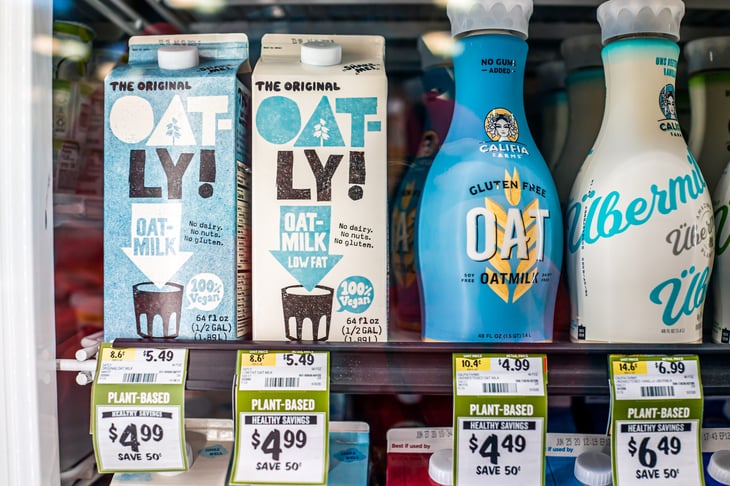
Carrageenan, derived from red seaweed, is often used in dairy alternatives, processed meats, and certain desserts as a thickening agent.
Although it’s a natural ingredient, some studies have linked it to digestive inflammation, bloating, and even gastrointestinal ulcers in sensitive individuals.
If you experience digestive discomfort, choosing carrageenan-free plant-based milk or yogurt could be beneficial.
8. Propyl Paraben: A Preservative Worth Noting

Propyl paraben is commonly used in baked goods and packaged tortillas to prevent mold growth and extend shelf life.
However, it has been flagged as a potential endocrine disruptor, meaning it may interfere with hormone function. Some studies indicate that parabens may accumulate in the body, raising concerns about long-term effects.
Many brands now offer paraben-free alternatives, making it easier to avoid this controversial ingredient.
9. Titanium Dioxide: A Whitening Agent with Concerns

Titanium dioxide is used in processed foods like candies, chewing gum, and powdered coffee creamers to create a bright white appearance. However, concerns about its potential impact on gut health and inflammation have been raised.
Some research suggests that titanium dioxide nanoparticles may accumulate in the body, leading to oxidative stress.
Several countries are regulating its use, and some manufacturers are removing it from their products. If you want to avoid it, check ingredient lists carefully.
10. Partially Hydrogenated Oils: The Trans Fat Threat

Trans fats, once common in margarine, baked goods, and fried foods, have been phased out in the U.S. due to their link to heart disease. But small amounts may still be present in processed foods.
These fats raise bad cholesterol and lower good cholesterol, increasing the risk of expensive health issues like heart attacks and strokes.
Avoiding trans fats isn’t just about better health—it’s about avoiding costly medical treatments. Opt for healthier fats like olive oil or avocado oil instead.
Pro Tip: Like bad fats, debt can sneak up and become dangerous over time. If you owe $20,000+, get expert help and a fresh start. See your options with National Debt Relief.
Rethink Your Grocery List

Every dollar spent at the grocery store adds up. While additives may extend shelf life, they often come with hidden costs—both financial and health-related.
Processed foods might seem cheap, but medical bills for diet-related conditions aren’t. Reading labels and choosing cleaner alternatives can protect your health and budget.
The next time you shop, consider whether the convenience of packaged foods is worth the long-term financial and health trade-offs. A little awareness can lead to significant savings.

Add a Comment