


The America First agenda, under President Donald Trump, continues to have profound effects on the nation’s financial landscape.
While some of these moves are heralded as necessary for strengthening the U.S. economy, others are creating uncertainties that could impact everyday Americans.
Here’s a breakdown of seven ways Trump’s America First policies are reshaping your financial future right now.
Pro Tip: In times of financial uncertainty, diversifying your investments can provide added security. Protect your assets from market volatility and inflation by opening a gold IRA.
1. Tax cuts: Boost or burden?

One key aspect of the America First agenda was tax cuts designed to boost business growth and investment. Corporate tax rates were lowered to encourage American enterprise and job creation.
For individuals, the impact has been mixed. While many experienced a temporary tax reduction, critics argue the cuts benefited the wealthy and worsened the national deficit, leaving the average American uncertain about future tax hikes to address the growing debt.
Pro Tip: Concerned about how shifting tax policies might affect your long-term finances? If you’ve got more than $100,000 in savings, get some advice from a pro. SmartAsset offers a free service that matches you to a vetted, fiduciary advisor in less than 5 minutes. It’s a smart way to stay prepared for potential tax changes.
2. Job creation: Opportunities and uncertainty

Under Trump’s America First policies, there has been a push to bring jobs back to American soil, especially in manufacturing and energy sectors. Initiatives like deregulation in certain industries are designed to make it easier for businesses to thrive and hire more workers.
However, the rebound in jobs has not been uniform across all industries. While traditional manufacturing jobs have increased, tech and service-oriented sectors have seen slower growth.
The financial security of Americans in different industries may be unpredictable in the years to come, depending on the success of these policies.
Pro Tip: Make the most of your emergency savings by earning higher interest. For instance, SoFi Checking offers 3.8% interest, along with a potential $300 signup bonus to help grow your savings. (Rates may change without notice.)
3. Trade deals: Winners and losers
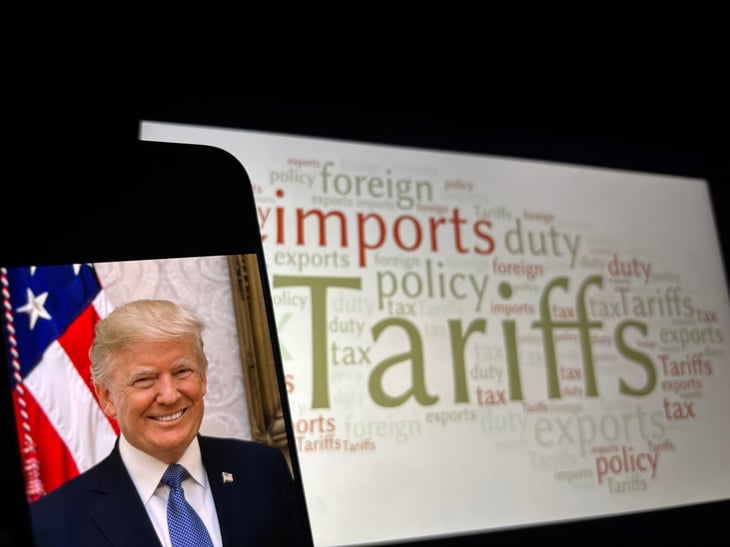
Trade policies under the Trump administration have shifted dramatically, focusing on renegotiating deals like NAFTA (replaced by the USMCA) and imposing tariffs on countries like China. These moves are designed to bring more fairness to trade and protect American industries.
While these actions could lead to job protection and business growth in some sectors, they also contribute to higher prices on goods, particularly those relying on imported materials.
For consumers, this means paying more for everyday products, impacting their household budgets.
Pro Tip: Di d you know that Americans have $30 trillion in untapped home equity? Most can’t access it without taking on debt. Hometap lets you unlock up to $600K of your wealth without monthly payments or personal liability.
4. Immigration policies: Labor market changes

Trump’s immigration policies aim to prioritize American job seekers by reducing the flow of foreign workers.
This affects industries reliant on immigrant labor, such as agriculture, hospitality, and construction, leading to labor shortages that may raise wages short-term but increase costs for consumers. The long-term effects on workers and industries remain uncertain.
Pro Tip: Need an income top-up? How about earning more with barely any effort? Over $55,000 is paid daily to this company's members who take surveys in their free time.
5. Energy independence: Economic and environmental impacts

A key element of Trump’s America First strategy is achieving energy independence by reducing regulations on oil and gas exploration and expanding drilling.
This has helped stabilize energy prices and support U.S. producers. However, the push for energy independence also raises environmental concerns, as the expansion of fossil fuel extraction fuels debates on climate change and sustainability.
This could impact your energy bill and local economy as the nation weighs the economic benefits against environmental costs.
Pro Tip: With rising energy costs, it’s important to find ways to save on everyday expenses. Car repair bills have surged, with average costs now reaching $4,000. Endurance offers access to thousands of ASE-certified repair shops and covers the bill upfront, so you’re only responsible for the deductible. Get a free quote today!
6. Healthcare: Stability or instability?
Trump has focused on rolling back elements of the Affordable Care Act (ACA), aiming to reduce government intervention in the healthcare system.
While this may provide relief to businesses and individuals facing high healthcare premiums, it has left millions without access to affordable healthcare.
The changes to healthcare policy are already causing premiums to rise in some states, and there’s uncertainty around whether these moves could lead to greater instability or create new opportunities for the private insurance market.
Pro Tip: As healthcare premiums rise and uncertainty increases, make sure you’re maximizing your Medicare benefits. Compare plans today for unbiased guidance to help you save money and find the best coverage.
7. Investment and stock market: Volatility or growth?

Trump’s focus on deregulation and tax cuts has boosted the stock market, encouraging investment and growth. This has led to increased wealth for investors and strong corporate stock performance.
However, trade wars, global uncertainty, and rising debt levels could cause market volatility, affecting retirement accounts and long-term investments. Investors may need to navigate these shifts carefully to protect their portfolios.
Pro Tip: With market volatility impacting retirement accounts and long-term investments, consider getting professional advice. If you have at least $100,000 in investments, SmartAsset offers a free service that matches you with up to three vetted financial advisors in your area. Fill out a short questionnaire to get started.
Navigating growth and uncertainty in the U.S. economy
Trump’s America First policies are shaping the financial future of millions of Americans. While some sectors have seen growth, others face new challenges and uncertainties.
Whether you’re a consumer, investor, or worker, staying informed is crucial to understanding how these changes could impact your financial future.
As the economy evolves, Trump’s policies could continue to play a key role in shaping U.S. finances for years to come.
Pro Tip: If you’re struggling with retirement payments, a reverse mortgage can help by turning your home equity into tax-free cash. Available for seniors 62+, it allows you to cover expenses like medical bills, home repairs, or even a dream vacation — without monthly payments or selling your home.

Add a Comment