


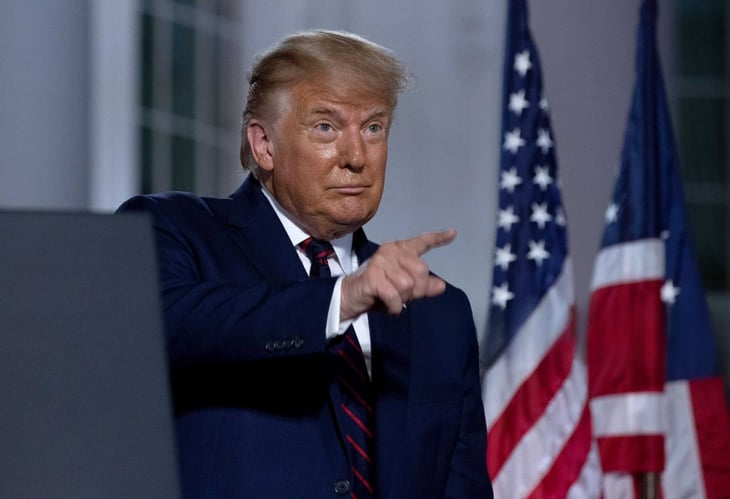
Student loan forgiveness remains a pressing issue in the U.S., and with Trump in office, significant changes could be on the way. Millions of borrowers must stay informed as policies around repayment caps, forgiveness programs, and Public Service Loan Forgiveness (PSLF) may shift.
The administration has signaled significant actions that could reshape student loan repayment for years to come. Here are five key things to know about what Trump’s approach might mean for student debt relief.
1. The Income-Driven Repayment Cap May Be Adjusted

In his fiscal year 2017 budget proposal, Trump suggested consolidating multiple income-driven repayment (IDR) plans into one.
Under that proposal, monthly payments were to be capped at 12.5% of discretionary income, compared to the 10% required under some existing plans or the 5% discretionary income for undergraduate loans that applies under the SAVE plan, which is on hold due to litigation.
Trump also proposed extending the loan forgiveness timeline for graduate loan borrowers to 30 years while shortening it to 15 years for undergraduate borrowers.
Pro Tip: Earn as much as possible on your emergency savings. For example, SoFi Checking is offering 4% interest, plus a potential $300 signup bonus. (May change without notice.)
2. Student Loan Forgiveness Timeline Could Change

Currently, income-driven repayment plans offer forgiveness after 20 to 25 years of consistent payments. Trump’s plan might reduce this timeline to just 15 years for undergraduate borrowers.
However, graduate loans may face stricter terms or extended repayment periods. These shifts could mean significant changes to how borrowers plan for their financial futures, particularly for those just starting their repayment journeys.
Pro Tip: If you’re dealing with over $20,000 in unsecured debt, get some professional help. National Debt Relief offers expert advice to help you get back on track.
3. Public Service Loan Forgiveness Faces Uncertainty

Recently, the Biden administration announced 55,000 additional borrowers would receive forgiveness through the Public Service Loan Forgiveness (PSLF) program, which eliminates federal student debt for those working in public service roles for 10 years.
Forgiveness would require an act of Congress, and it’s unclear if such a repeal could pass. A previous attempt during Trump’s first term didn’t gain traction and would have grandfathered in current borrowers.
If PSLF is changed or eliminated, public service workers—such as teachers and healthcare professionals—could be impacted significantly, potentially positively.
Pro Tip: Transform your gaming hobby into cash – discover how to earn real money playing your favorite games!
4. The Debate Over Private vs. Federal Loans Intensifies

Trump’s administration may push for more privatization of the student loan industry, reducing federal loan options. This could mean fewer protections for borrowers, like deferment and forbearance.
Private lenders may gain a larger market share if federal loans are replaced or minimized, offering less flexible repayment options. Borrowers considering private loans should carefully compare interest rates and terms before making decisions.
5. Interest Rates and Loan Caps May Shift
Interest rates and borrowing limits for federal loans are another potential change area. Trump’s administration has floated the idea of simplifying federal loan programs, which could affect how much students can borrow and the rates they pay.
A borrowing cap might encourage more students to take out private loans, potentially increasing overall costs. Students and parents should closely monitor these changes and evaluate how they could impact college affordability.
What Borrowers Can Do Right Now

While the future of student loan forgiveness under Trump remains uncertain, borrowers should stay proactive. They should review repayment plans, consider consolidating loans, and monitor federal updates.
Take steps now to strengthen your financial position, such as building an emergency fund or seeking professional financial advice. Understanding how potential changes could impact your debt is the first step to protecting your financial future.
By staying informed and planning, you can navigate these changes and minimize the impact of student loan changes on your finances.

Add a Comment