


Remember when fast food was the go-to option for a cheap, quick meal?
Those days are rapidly disappearing, especially if you live in certain U.S. metropolitan areas where prices have soared into territory that would have seemed unimaginable just a few short years ago — even for basic combos or single entrees.
According to a recent LendingTree study, the average cost of a fast-food meal in major U.S. cities has climbed to $11.56, with several cities now crossing the $13 threshold — and some coming close to $14. This isn’t just inflation — it’s a reflection of deeper, lasting economic shifts.
This price jump represents a major shift in what was once considered America’s most budget-friendly dining option, turning what used to be casual convenience into an expensive habit for many everyday consumers. Once a safety net for tight budgets, fast food is now a splurge for many. The ripple effects are changing how people eat, spend, and even plan meals.
1. San Francisco, California

San Francisco tops the list with fast-food meals averaging a whopping $13.88. High wages, rent, and operating costs contribute to sky-high combo prices across the city, according to LendingTree.
Many chains must increase prices to cover local business taxes, worker protections, and real estate costs. In a region already known for its astronomical housing and tech-fueled economy, even a fast-food lunch can feel like a luxury — particularly for service workers and residents on fixed incomes.
2. Seattle, Washington

Seattle follows closely with meals averaging $13.48. Elevated food and labor costs are reshaping expectations about what qualifies as “fast and affordable.”
The city’s $19+ minimum wage, rising ingredient costs, and strong local labor protections have nudged prices higher. What used to be a fallback for students and commuters is now something many people plan for.
3. New York City, New York

In NYC, where everything comes at a premium, fast-food meals now average around $13.35. Even a basic order in Manhattan can rival sit-down restaurant prices elsewhere.
Chains must deal with high delivery fees, zoning challenges, and sky-high rents. Add in tourist traffic and delivery demand, and it’s no surprise prices keep climbing in the city that never sleeps.
4. Los Angeles, California
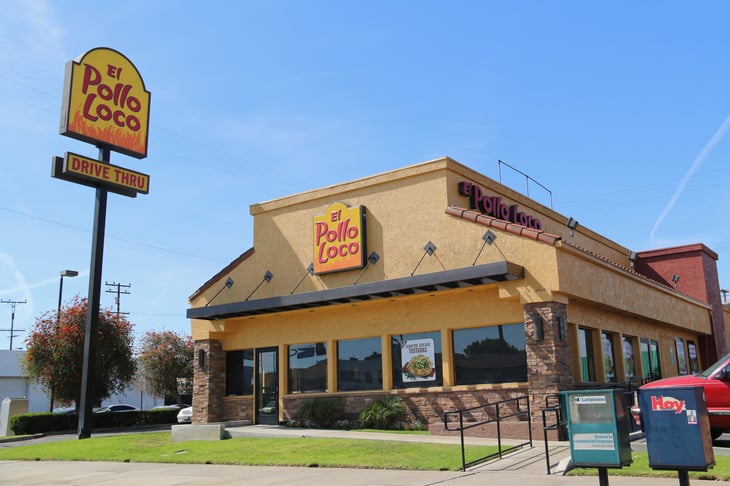
In the City of Angels, fast food meals cost an average of about $13.25. Higher wages, strict regulations, and soaring rent make value menus seem like a thing of the past.
In addition, the city’s strong union presence, employee benefit mandates, expensive logistics, and the days of the $1 taco are gone. Budget-conscious diners may find themselves rethinking their go-to spots.
5. Washington, D.C.

In the nation’s capital, average fast-food prices hit $13.19. Rising minimum wages and operational costs are driving menu prices steadily upward.
With a dense urban layout, high utility rates, and a workforce that demands fair pay, restaurants must pass expenses on to customers. The growing number of tourists and professionals in the area only adds to the demand — and the price tag.
6. San Diego, California
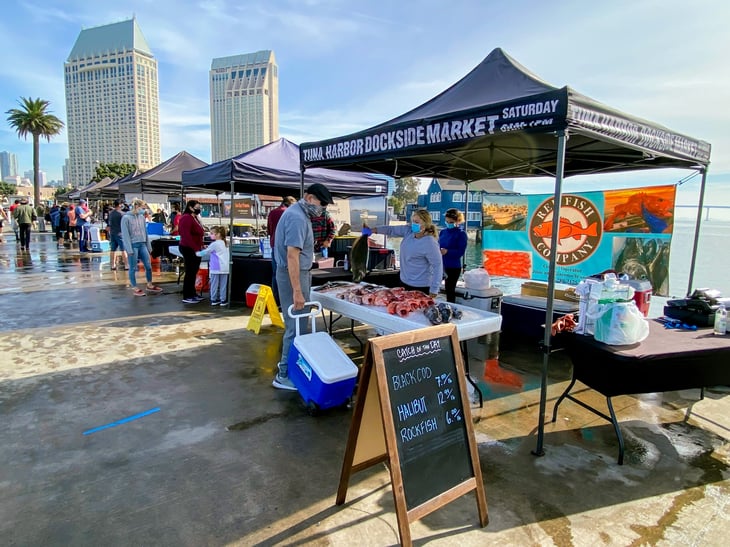
San Diego meals average $13.10. Despite the city’s beachy reputation, the cost of grabbing a quick bite is anything but laid-back. Labor shortages, real estate demand, and increased cost of goods are squeezing even national franchises.
For residents and tourists alike, “fast and cheap” now comes with qualifiers, if it exists at all.
7. Boston, Massachusetts
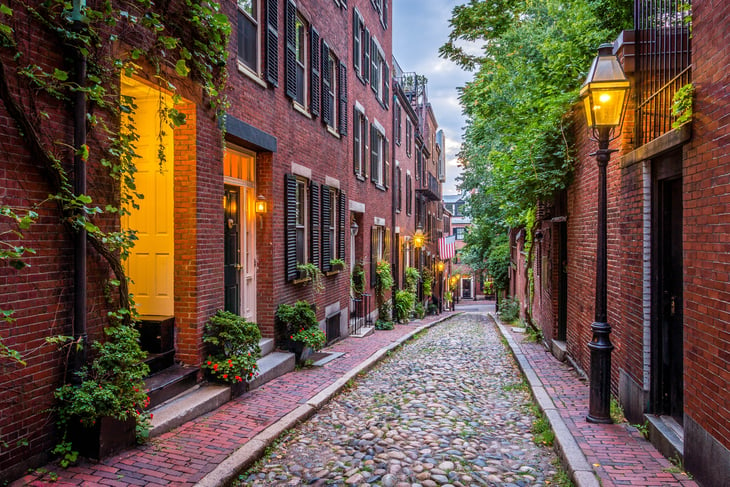
Boston’s average fast food meal is around $13.05. From Beacon Hill to Back Bay, fast food has become another expense locals are budgeting carefully for.
The city’s deep-rooted restaurant culture and high cost of living extend beyond fine dining. Even a lunchtime combo at a major chain often rivals the cost of a sit-down lunch elsewhere in the country.
8. Portland, Oregon
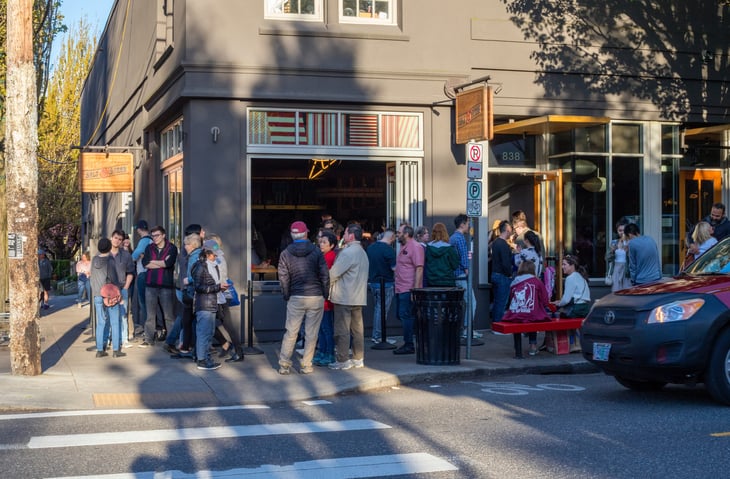
Portland residents pay roughly $13.01 for a typical fast-food meal. Boutique food trends haven’t spared chain restaurants from price hikes.
Known for its commitment to local sourcing and progressive policies, Portland has influenced even corporate chains to invest more in wages and sustainability — changes reflected in your combo price.
9. Philadelphia, Pennsylvania
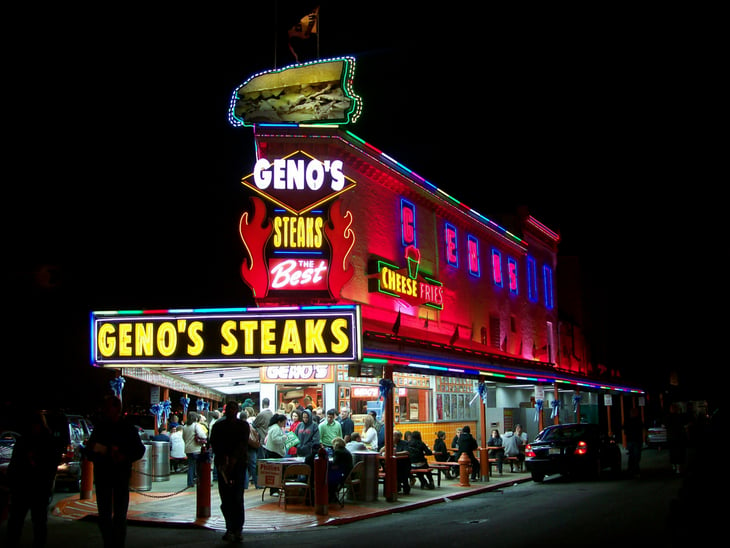
In Philly, fast food meals now average $12.95. The city’s growing food scene and increased labor costs are shifting what consumers consider affordable.
From Center City to the suburbs, fast food is becoming less affordable. Many locals turn to home cooking, delivery alternatives, or skipping eating out altogether when prices stretch their budgets.
10. Chicago, Illinois
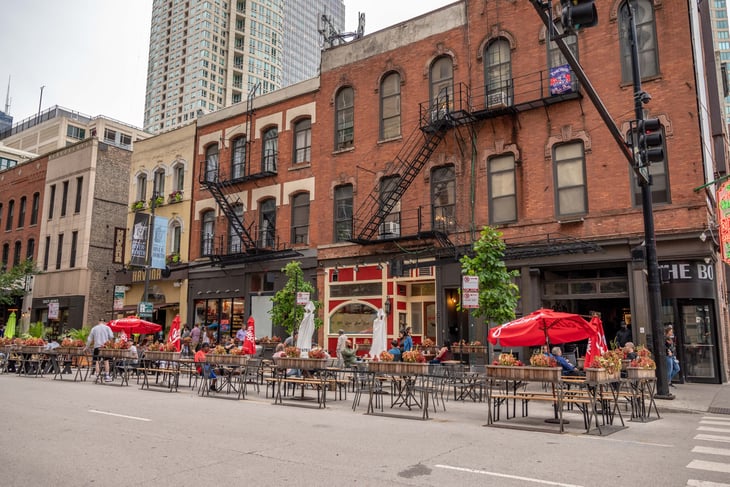
Rounding out the top 10, Chicago meals average $12.90. Even traditional burger joints are adjusting pricing to match surging costs.
The Windy City’s sprawling neighborhoods and mix of demographics mean chains face diverse challenges — many of which drive up price tags even in the most casual eateries.
The bottom line on rising fast-food costs

What used to be a simple $5 meal is now a $13+ transaction in many U.S. cities. While inflation, wage hikes, and supply issues are all contributing factors, the outcome is clear: the era of fast, cheap eats is slipping away — especially in major metro areas.
For many, fast food is no longer the fallback it once was, but a decision weighed alongside traditional restaurant dining. As affordability disappears, consumers must choose between convenience and cost like never before.

Add a Comment