



Trump is reversing federal climate policies, weakening environmental protections and prioritizing fossil fuels.
His administration has swiftly unraveled efforts to cut pollution, invest in clean energy, and combat climate change, moving the U.S. away from global commitments.
These actions risk increasing carbon emissions and slowing the renewable energy transition. Making smart financial decisions is crucial to safeguarding your future amid policy uncertainty.
Pro Tip: If you’ve got more than $100,000 in savings, get some advice from a pro. SmartAsset offers a free service that matches you to a vetted, fiduciary advisor in less than 5 minutes.
1. Undoing pollution regulations

Trump has aggressively rolled back key environmental regulations aimed at limiting pollution from sectors like manufacturing, transportation, and power production.
Rules protecting air and water quality have been weakened as the administration bypasses traditional processes to hasten deregulation. These rollbacks risk increasing carbon emissions and worsening conditions for vulnerable communities.
Environmental damage can lead to financial strain for households through higher medical costs due to poor air quality or property damage from extreme weather. Seeking professional financial guidance can be wise if you’re struggling with rising expenses.
Pro Tip: If you have more than $20,000 in unsecured debt, get some professional help. National Debt Relief is a trusted source for free advice and assistance.
2. Slashing climate funding
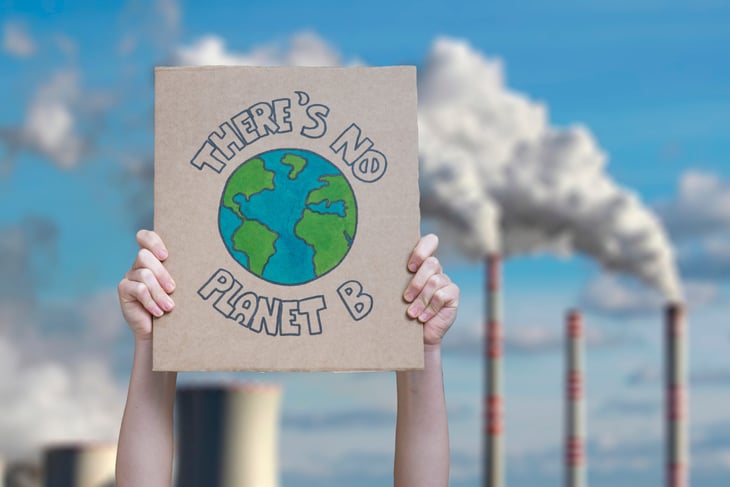
One of Trump’s first moves was to freeze and withdraw federal funding for clean energy and climate research.
Grants allocated for renewable energy projects and emissions reduction initiatives have been halted, leaving state and local governments scrambling to fill the gaps.
The impact isn’t just domestic—international climate programs, including clean energy investments in developing countries, have also faced severe funding cuts. These abrupt financial shifts threaten to derail years of progress in reducing greenhouse gas emissions.
Pro Tip: Earn as much as possible on your emergency savings. For example, SoFi Checking is offering 3.8% interest, plus a potential $300 signup bonus. (May change without notice.)
3. Blocking renewable energy development

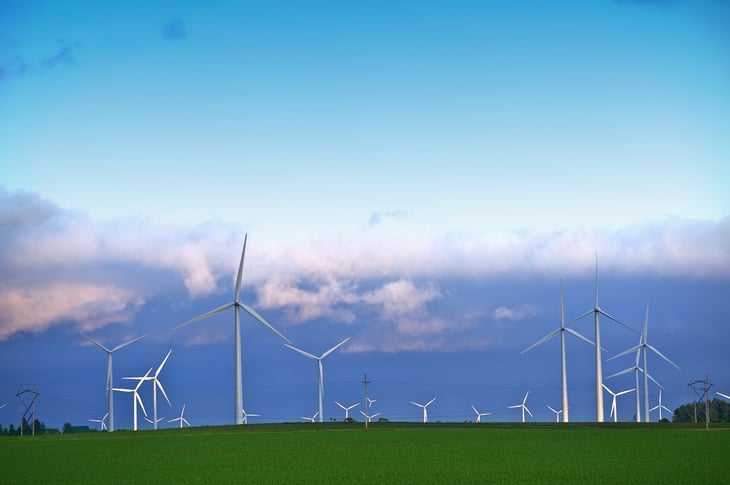
The administration has targeted wind and solar energy by halting new project approvals on federal lands and offshore waters, and wind power faces particularly harsh scrutiny with new restrictions hindering development.
Meanwhile, oil and gas leases on public lands are fast-tracked, prioritizing fossil fuels. These actions risk stalling the transition to cleaner energy sources and hinder the U.S. from meeting emissions reduction goals.
Pro Tip: What are your goals—debt relief, needing more cash, or help funding a major expense? Find the best options tailored to your needs—fast, easy, and secure. Explore financial solutions here.
4. Removing climate references from government agencies
In a sweeping effort to reshape public discourse on climate change, Trump has ordered the removal of climate-related language from multiple federal agency websites.
Key agencies, including the Environmental Protection Agency (EPA) and the Department of Energy, have scrubbed pages that previously detailed climate science, emissions data, and renewable energy strategies.
These actions create significant uncertainty for businesses and individuals attempting to plan for future environmental and economic conditions. When official information becomes less accessible, many turn to alternative strategies to protect themselves from potential market volatility and policy shifts that could affect their financial security.
Pro Tip: In a changing information landscape, experts recommend diversifying beyond traditional investments. Precious metals have historically served as a hedge against volatility. If you’re over 50 and concerned about protecting your assets through diversification, now is an excellent time to get your FREE 2025 Gold Information Kit and learn how physical precious metals might help safeguard your financial future amid changing regulatory environments.
5. Expanding fossil fuel production
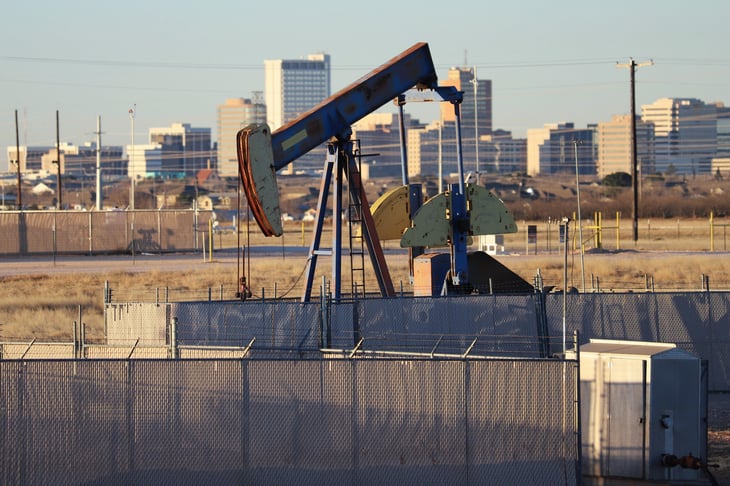
Trump has prioritized increasing oil and gas production, touting energy dominance as a key goal. He has approved new drilling projects, fast-tracked pipeline construction, and reduced environmental oversight on fossil fuel operations.
By aggressively promoting oil and natural gas extraction, the U.S. has surpassed all other nations’ fossil fuel output.
While this benefits the industry, it also accelerates climate change by driving higher carbon emissions and delaying investment in cleaner alternatives.
Pro Tip: Protect your wealth with an asset that can hedge against the damaging effects of a recession and financial calamity by opening a gold IRA.
6. Weakening state-level climate initiatives

Trump’s administration is working to override state-led climate policies, particularly in states like California that have set ambitious environmental goals.
One primary target has been California’s authority to enforce stricter vehicle emissions standards—a policy that has driven national improvements in fuel efficiency.
By attempting to revoke state authority on emissions regulations, Trump is challenging long-standing environmental laws and making it easier for automakers to delay the transition to cleaner vehicles.
Pro Tip: With fuel efficiency standards at risk, drivers may face higher costs at the pump and increased vehicle expenses—making it even more important to cut costs elsewhere. Save up to $600 a year on your car insurance with this car insurance comparison site.
7. Prioritizing industry over environmental protection

Trump has justified his environmental rollbacks as a means to boost economic growth and ease regulatory burdens on businesses, benefiting fossil fuel companies that backed his campaign.
Relaxed protections now allow corporations to pollute with fewer restrictions, threatening natural resources and posing health risks to communities.
Rising pollution and deregulation can increase consumer costs, such as higher energy bills and everyday expenses like phone service. Cutting unnecessary costs in your budget is a smart move to offset these financial impacts.
Pro Tip: Paying more than $15 a month for your cell service? Stop that. Click here to save a bundle.
What this means for the future

Until recently, the U.S. was on track to reduce carbon emissions significantly. However, these sweeping policy changes signal a sharp reversal, favoring fossil fuels over clean energy and weakening efforts to combat climate change.
With global temperatures rising and extreme weather events becoming more frequent, the long-term consequences of these policies could be severe. These environmental shifts are already impacting homeowners through rising insurance costs, increased energy bills, and the need for costly home modifications to withstand extreme weather.
Many Americans, especially fixed-income retirees, seek financial flexibility to adapt to these changing conditions. Whether preparing for higher utility costs, investing in energy-efficient upgrades, or simply maintaining financial security in uncertain times, having access to additional resources has become increasingly important.
Pro Tip: Concerned about managing rising costs in retirement as policies shift? A reverse mortgage can turn your home equity into tax-free cash for seniors 62+, providing financial flexibility without selling your home. Use the funds for energy-efficient upgrades, unexpected expenses from extreme weather events, or securing your financial future during changing economic conditions.

Add a Comment