



The economy may seem somewhat stable, but experts spot warning signs beneath the surface. Wall Street insiders track key indicators that often predict downturns before they reach Main Street.
These seven red flags rarely make headlines but could impact your financial future. Understanding them can help you prepare before trouble hits.
In uncertain times, professional guidance can be crucial for protecting your assets and planning ahead.
Pro Tip: If you have over $150,000 in investments, consider talking to a professional financial advisor. WiserAdvisor is a free service that will match you with a pro in your area.
1. The economic crystal ball is darkening

The Leading Economic Index (LEI) acts as an early warning system Wall Street watches closely. It tracks multiple factors to forecast economic trends, and it’s flashing red right now.
A 4.3% decline over six months crosses the threshold that has predicted every recession since the index began. It’s like spotting dark clouds on the horizon — not raining yet, but a clear signal of trouble ahead.
The LEI’s broad scope makes it powerful. When this pattern appears, insiders often shift to assets that hold up well during downturns.
Pro Tip: Explore diversification options like precious metals investments, with opportunities to receive up to $10,000 in free metals through qualified purchases. If you’re over 50 and curious about investing in Gold, now is a great time to get your FREE 2025 Gold Information Kit and protect your future with physical precious metals!
2. The job market’s secret warning sign
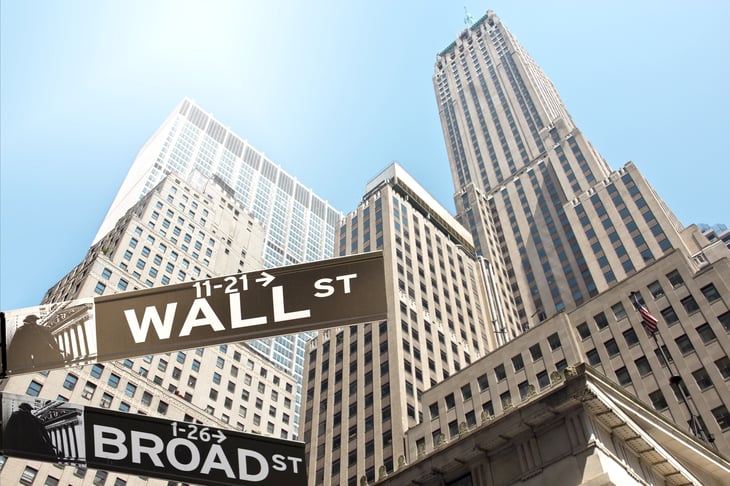
Wall Street tracks the “Sahm Rule,” a recession indicator that’s never been wrong since 1949. It triggers when the three-month average unemployment rate rises 0.5% above its 12-month low — a threshold recently crossed.
Unemployment at 4.1% may seem stable, but this subtle shift signals deeper trouble. Every time this rule has been triggered, a recession followed — with no false alarms.
The worry? Job losses often start slowly and then accelerate as layoffs expand. That’s why having emergency savings on hand is more critical than ever.
Pro Tip: Earn as much as possible on your emergency savings. For example, SoFi Checking is offering 3.8% interest, plus a potential $300 signup bonus. (May change without notice.)
3. The upside-down interest rate puzzle

When short-term interest rates exceed long-term rates, it’s called a “yield curve inversion” — a potential sign of economic trouble. Typically, investors expect higher returns for longer commitments, so a flipped curve raises red flags.
The yield curve has been inverted for over two years — one of the longest stretches on record. Historically, such inversions reliably signal recessions 6–24 months in advance.
The deeper and longer the inversion, the stronger the warning, say seasoned Wall Street pros. Savvy investors often look beyond traditional stocks and bonds to diversify in times like these.
Pro Tip: One modern way to diversify is with real estate and venture capital. Companies like Fundrise offer investments as small as $10.
4. Consumers are closing their wallets

Consumer spending fuels about 70% of the U.S. economy, so Wall Street watches closely when confidence drops. Right now, sentiment is at multi-year lows, reflecting rising financial stress.
Even more telling: Retail sales have declined for four straight months through February 2025, with weakening numbers each time.
This pullback risks a feedback loop — less spending leads to lower earnings, job cuts, and even less spending. If you’re carrying high-interest debt, now’s the time to explore smarter ways to manage it before the economy worsens.
Pro Tip: If you have more than $20,000 in unsecured debt, get some professional help. National Debt Relief is a trusted source for free advice and assistance.
5. Job market cracks are widening

Beneath the headline unemployment rate, insider labor metrics are flashing warning signs. The number of part-time workers seeking full-time jobs is up 16% from last year.
At the same time, job growth is underwhelming — February saw just 151,000 new jobs versus the 159,000 expected.
These subtle shifts often precede broader job losses. Wall Street sees them as early indicators of deeper employment issues. With job security less certain, many are turning to supplemental income to build a financial buffer.
Pro Tip: Looking for a way to earn income with barely any effort? Over $55,000 is paid daily to this company's members who take surveys in their free time.
6. Economic growth is hitting the brakes

The Atlanta Fed’s real-time GDP tracker now shows the economy shrank by 2.4% in Q1 2025. While one negative quarter doesn’t equal a recession, it’s a clear sign growth is stalling.
Annual growth is expected to drop below 2%, well below the historical norm, leaving the economy more vulnerable to shocks that could trigger a recession.
As conditions decline, existing debt can become harder to manage — often requiring professional guidance to stay on track.
Pro Tip: Managing tax debt becomes even more urgent as the economy slows. Alleviate Tax works directly with the IRS to help reduce or resolve what you owe. If you’re $10,000+ behind, answer a few questions to see if you qualify today!
7. The financial stress thermometer is rising

When trouble brews, Wall Street watches how markets price risk. Right now, corporate bond spreads have widened, showing investors want more compensation for growing default risks.
The stock market has also entered correction territory, down over 10% from recent highs. Most telling, gold prices have surged past $3,000 per ounce, signaling a flight to safety amid fears of economic instability.
Many investors are turning to precious metals to help protect their wealth during uncertain times.
Pro Tip: Protect your wealth with an asset that can hedge against the damaging effects of a recession and financial calamity by opening a gold IRA.
Safeguard your finances before the storm hits
These seven recession signals aren’t meant to cause panic but to help you prepare. Wall Street insiders act on them long before most Americans see trouble coming.
You can do the same to protect your finances. Focus on building an emergency fund, cutting high-interest debt, diversifying investments, and delaying major optional expenses.
A solid financial plan that accounts for ups and downs can bring peace of mind and long-term security.
Pro Tip: Invest with zero commissions! Start small with just $1 and diversify across stocks, bonds, ETFs, crypto, and art using this popular app - sign up today.

Add a Comment