


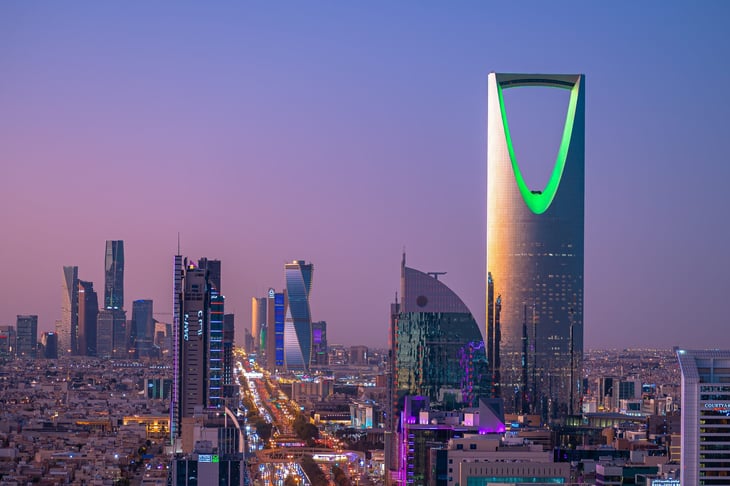
Saudi Arabia’s announcement to invest $600 billion in the United States over the next four years is a massive commitment that could have far-reaching effects on both countries’ economies.
While the promise of such an investment could open doors for new opportunities, it’s important to understand how these shifts could impact your personal finances.
Here are seven ways this multi-billion-dollar investment could affect your financial future—both positively and negatively.
1. Potential Boost to the U.S. Stock Market

Saudi Arabia’s investment could drive the U.S. stock market to new heights, especially in industries such as technology, defense, and infrastructure.
With billions flowing into American companies, stock prices in key sectors may see significant gains. If you own stocks in companies tied to these industries, there could be a direct financial benefit as their market valuations rise.
However, it’s important to diversify your portfolio to avoid overexposure to specific sectors that may be highly influenced by this investment.
Pro Tip: If you have at least $100,000 in investments, take advantage of a free service called SmartAsset. Simply fill out a short questionnaire and get matched with up to three vetted financial advisors in your area to help guide your investment decisions.
2. Inflationary Pressure from Economic Growth

While a significant investment could boost the economy in the short term, it could also bring inflationary pressures. As demand for goods and services rises due to the economic growth spurred by this investment, prices could increase, especially in the areas of housing, food, and healthcare.
If you’re already feeling the pinch of rising costs, this could further strain your household budget and savings goals, particularly if wages don’t keep up with inflation.
Pro Tip: Need quick access to cash? A home equity loan might be a great solution. Take a minute now to see how much you can get, how fast you can get it, and how little you'll pay.
3. Increased Job Opportunities in Key Industries

A $600 billion investment could lead to job creation in areas such as infrastructure, defense, and technology. For example, the influx of capital could mean expanded opportunities in construction, manufacturing, and engineering, particularly as Saudi Arabia looks to invest in new infrastructure projects like NEOM and sports facilities for the 2034 FIFA World Cup.
If you work in one of these sectors, you may benefit from this growth through higher wages, job security, or even career advancement opportunities.
While the investment may create jobs in certain sectors, it could also lead to increased competition for positions, making it harder for workers to find opportunities. Additionally, the heavy reliance on foreign investment might result in job insecurity if the funding dries up or shifts focus in the future.
4. Impact on Oil Prices and Energy Markets

Although the U.S. has reduced its reliance on Saudi oil in recent years, the kingdom still holds significant sway over global oil prices. A large portion of the investment may go into energy infrastructure or defense projects related to energy security.
If this investment influences oil production or distribution in some way, it could have an impact on global energy prices. As a consumer, this could affect your energy costs, including gas prices, electricity bills, and heating expenses.
5. Potential for Increased U.S. Military Spending

As a major defense partner, Saudi Arabia’s investments are likely to include U.S.-made weapons and defense systems. This may result in higher defense spending in the U.S., potentially leading to more government contracts and business for defense companies.
For investors in the defense sector, this could mean increased revenues and stock prices, benefiting those with investments in defense firms. On the downside, if you oppose higher military spending, the increased focus on defense could be a negative consequence of this investment.
6. Real Estate Booms and Busts

Saudi Arabia’s investment in U.S. infrastructure projects could fuel a boom in the real estate sector, particularly in cities where major construction projects take place.
This could mean more job opportunities in real estate and construction, but it could also drive up property prices and rent in these areas. If you’re considering purchasing a home or investing in real estate, it’s important to keep an eye on the markets in key cities that may see a sudden increase in demand and property prices.
7. Long-Term Economic Dependence on Foreign Investment

One of the risks of Saudi Arabia’s $600 billion investment is the potential for the U.S. to become more dependent on foreign capital. While the infusion of money could be a boon in the short term, over-reliance on foreign investment could leave the economy vulnerable if the investment falters or if Saudi Arabia shifts its focus elsewhere.
If you’re an investor, it’s essential to be cautious about placing too much trust in the longevity of these large-scale investments, as shifts in foreign relations or geopolitical events could impact their success.
Weighing the Potential Impact

Saudi Arabia’s $600 billion investment in the United States promises to reshape U.S.-Saudi relations and could have widespread effects on various industries and financial markets.
Whether the impact is positive or negative depends on the sectors in which the investment lands, how it affects your job or industry, and how global economic factors play out.
While there may be considerable opportunities for growth, it’s essential to remain cautious about overexposure to any single sector, particularly those heavily influenced by foreign investment. By staying informed and keeping a diversified approach, you can better navigate the changes and protect your financial future.

Add a Comment