



The newly established External Revenue Service (ERS) is poised to become a major force in global commerce. Its policies and enforcement tactics could send ripples through international trade, affecting industries, economies, and everyday consumers.
From shifting tariffs to regulatory crackdowns, these seven potential disruptions could redefine global markets and what you pay for goods.
Pro Tip: Navigating complex financial environments can be challenging for new investors. With EchoTrade, you can effortlessly mimic the trades of top wealth managers, ensuring informed decisions amidst global market changes.
1. Stricter compliance regulations
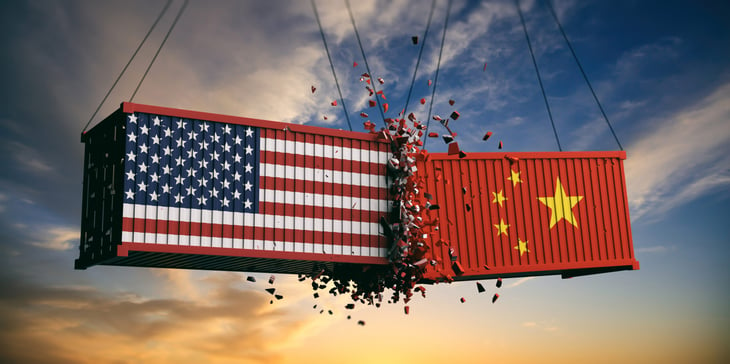
The ERS could implement stricter compliance regulations, making it essential for international traders to adhere to more rigorous standards.
This might slow down transactions and trade flows, affecting supply chains and increasing operational costs for businesses that rely on international trade.
Pro Tip: If you have over $150,000 in savings, it’s wise to consult with a professional financial advisor to navigate these complexities. Zoe Financial is a free service that will connect you with a qualified advisor in your area, ensuring your investments are robust against changing regulatory landscapes.
2. Enhanced tariff enforcement

If the ERS is strict about tariff enforcement, consumers might face increased tariffs on imported goods.
This move could shift trading dynamics, as higher costs might discourage imports and prompt countries to explore alternative trading partners or focus on domestic production.
Pro Tip: Consider diversifying your investments with opportunities in real estate and venture capital. Companies like Fundrise offer entry-level investments starting as small as $10, allowing you to broaden your portfolio and mitigate risks associated with global trade fluctuations.
3. New tariff policies

The introduction of new tariff policies by the ERS could influence pricing strategies for international businesses.
Companies may need to adjust their pricing models to accommodate changes, potentially impacting competitiveness in global markets.
Pro Tip: If you’re facing cash flow challenges or need assistance with financial restructuring to adapt to new taxation policies, explore tailored financial solutions that are fast, easy, and secure. Explore financial solutions here to find the best options for your specific needs.
4. Changes in trade agreements

The ERS’s influence on trade agreements might lead to modifications that affect tariff rates, import/export regulations, or required documentation.
This can create uncertainty in trade markets, as businesses might need to adapt rapidly to altered agreements to maintain their positions.
Pro Tip: If you have at least $100,000 in investments, consider leveraging expert guidance to navigate these complexities. SmartAsset offers a free service where you fill out a short questionnaire and are instantly matched with up to three vetted financial advisors in your area, helping you to adapt swiftly and effectively to changing trade landscapes.
5. Increased focus on digital goods

With a shift in focus towards digital goods, the ERS could impose new regulations or taxes on digital trade, affecting industries heavily reliant on this sector.
Businesses may need to reassess their digital trade strategies and consider the financial implications of these changes.
Pro Tip: Consider diversifying your investment portfolio with unique assets such as wine and whiskey. Vinovest offers a platform to get started with an investment as small as $1,000, allowing you to explore opportunities beyond the digital realm.
6. Cross-border financial regulations

The ERS may enhance regulations that affect cross-border financial transactions, potentially leading to increased scrutiny and documentation requirements.
This could impact the movement of capital and financial planning for businesses operating internationally.
Pro Tip: Optimize your emergency savings with high-yield accounts. For example, SoFi Checking currently offers 3.8% interest and a potential $300 signup bonus. (Terms may change without notice.)
7. Economic sanctions

If the ERS enforces new economic sanctions, businesses involved in international trade might need to navigate complex restrictions.
This could disrupt supply chains and necessitate strategic pivots to connect with compliant trading partners.
Pro Tip: Ensure financial flexibility by investing with zero commissions. Start small with just $1 and diversify across stocks, bonds, ETFs, crypto, and art using this popular app - sign up today. This approach helps build resilience against disruptions in the trade market.
Navigating global trade disruptions

Understanding the External Revenue Service’s moves helps businesses and individuals anticipate changes in global trade markets.
By staying informed and proactive, companies can effectively respond to disruptions, build resilient strategies, and thrive in the evolving landscape of international commerce.
Pro Tip: Safeguard your wealth by including assets that hedge against the adverse effects of a recession and economic instability by opening a gold IRA. Protect your financial future and ensure stability amidst global market fluctuations.

Add a Comment