


I’ve been a committed (some might say “obsessed”) thrift shopper and reseller since the early 1990s. And over the decades, I’ve come to understand not only the collectibles contained within the stores but also how the stores operate and evolve.
As the world of retail changes, so does resale. Here are ways thrift shops around the country are changing fast.
1. More competition from pickers
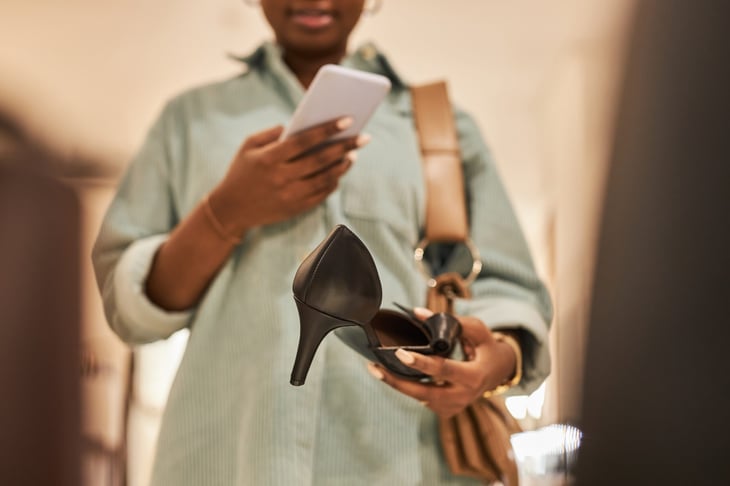
Shoppers who buy and resell used items for profit are thrift store regulars. And as the cost of living increases, more people are embracing this side hustle to make ends meet.
You can usually spot a picker by looking at their hands — they’ll be holding a potential flip-worthy find in one hand and researching its value with their smartphone in the other. The items they find usually end up on eBay, Depop or Poshmark.
See also: “15 Thrift Shopping Terms You Need to Know”
2. Poor quality inventory

Fast fashion and fast furniture have become part of the consumer stream at every level. When their short lives are over, pilled clothing, low-quality bedding and chipboard furniture get donated to the nearest thrift shop.
This unfortunate cycle fills (clogs might be a better word) stores with low-grade items and makes it more difficult for shoppers to find the good stuff.
See also: “11 Pro Tips for Finding Quality Clothing at Thrift Shops”
3. Mixed inventory
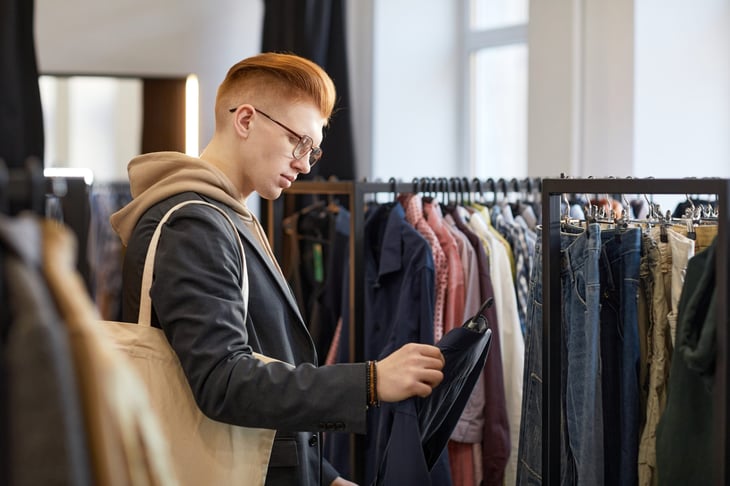
A few years ago, I noticed that some large chain thrift stores in my area had stopped separating men’s and women’s clothing. Stores that do this typically limit it to two categories: shoes and coats.
I have a hunch that it’s more difficult or time-consuming to determine which gender some of these items are designed for (and staffing challenges mean items have to hit the sales floor quickly).
Or maybe there’s simply more flexibility in who wears what and stores are responding to a new generation of shoppers.
4. Shopping from bins
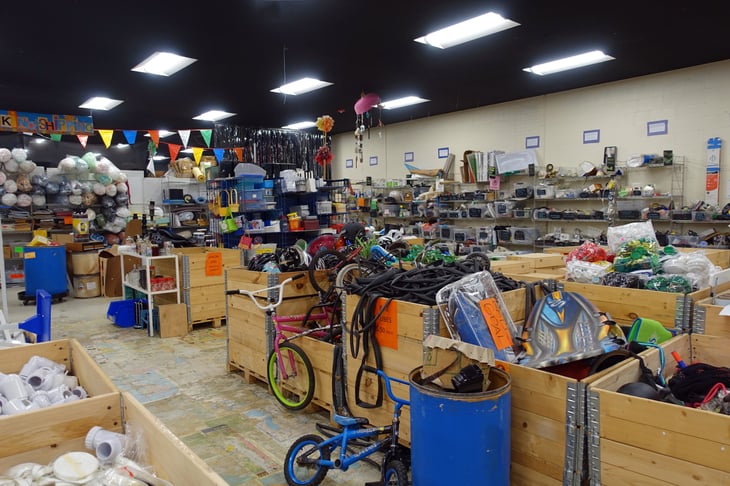
This change is likely due to staffing challenges too: Fewer stores are taking the time to hang every piece of clothing. Instead, they just wheel out large bins filled with a mixed lot of clothing that shoppers dig through.
Different from Goodwill Outlet stores, which are nicknamed “the bins,” this new development occurs in traditional resale shops where the majority of the inventory is hung or displayed in traditional ways.
5. Higher prices
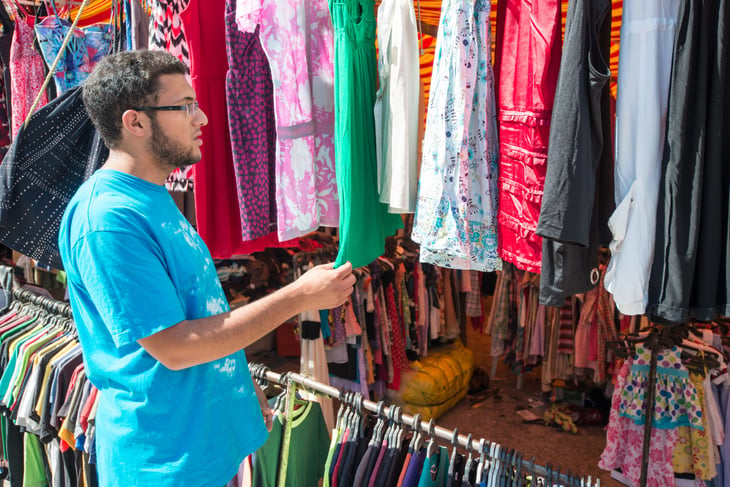
I’ve always thought that the early 1990s was the golden age of thrift shopping. Back then, I lived in Chicago, and most secondhand stores charged 85 cents for a shirt and 35 cents for a mug or plate. If you’ve been thrifting lately, I don’t need to tell you that times have changed.
Though their inventory is still cost-free to them, many thrift store chains have gone “pro,” trading small corner shops for large, sleek, uniformly arranged stores that feel more like Gap. That means higher leasing costs, higher utility bills, bigger marketing budgets and steeper prices for customers.
But the cost of disposing of donated but unusable items likely plays an outsized role in the higher prices shoppers pay. The Associated Press reported that Goodwill Northern New England, which operates 30 stores, paid $1.2 million in disposal costs in 2020.
6. Universal pricing
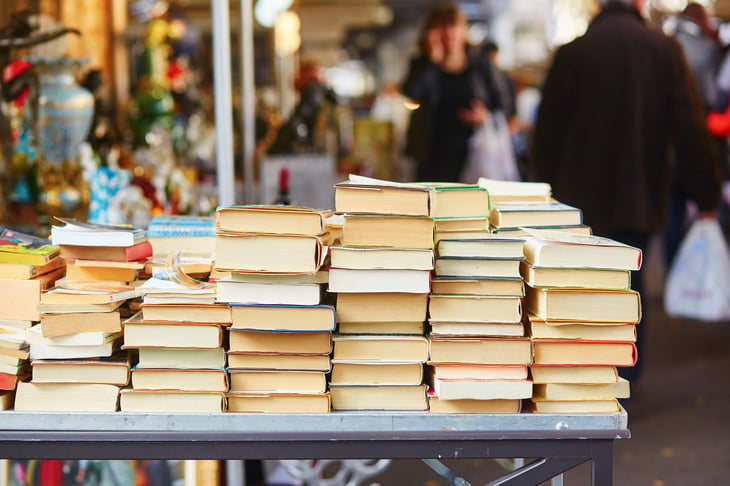
During the pandemic, the Disabled American Veterans (DAV) thrift store near me stopped pricing some items individually. Instead, they chose a single price for entire item categories. All dishware, such as cups and bowls, has one price, all shirts have another, all shoes have another, etc.
This approach not only saves staff time, but it also protects stores from “tag switching” — a form of theft in which shoppers physically remove a higher price tag and replace it with a lower price tag removed from another item.
7. No haggling
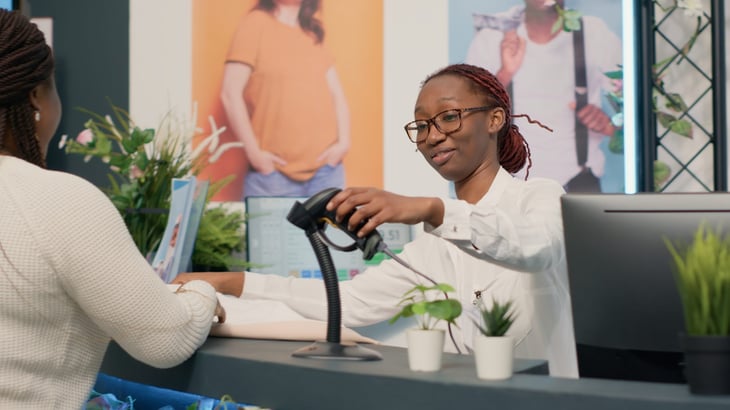
Haggling on price used to be a standard (and delightful) part of secondhand shopping.
Sadly, most large stores eliminated any price flexibility years ago with the standardized line, “Sorry, management doesn’t allow us to negotiate prices.” Now, even small local stores discourage the practice.

8. Rewards programs
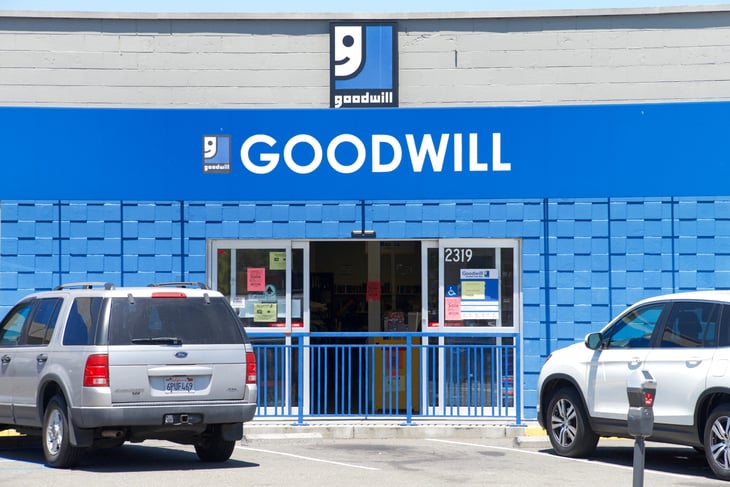
Inspired by retail loyalty programs, many thrift store chains have launched their own, usually regional, programs. Goodwill of Greater Milwaukee and Chicago offers Goodwill Perks Plus, and Goodwill of San Diego County manages the Goodwill VIP Rewards Program.
The Salvation Army is in the game, too. Through the Stamp Me app, participating stores in Massachusetts give buyers one virtual stamp for every $10 spent. After accumulating 10 stamps, shoppers can redeem them for discount vouchers.

Add a Comment