



Market volatility is nothing new, but for many Americans, it’s feeling more intense than ever. Between inflation, interest rate spikes, political shifts, and tech-fueled swings, your financial strategy needs more than just good intentions. It needs armor.
Whether saving, investing, or just trying to stretch your paycheck, these practical strategies can help shield your finances from the chaos.
1. Build a rock-solid emergency fund
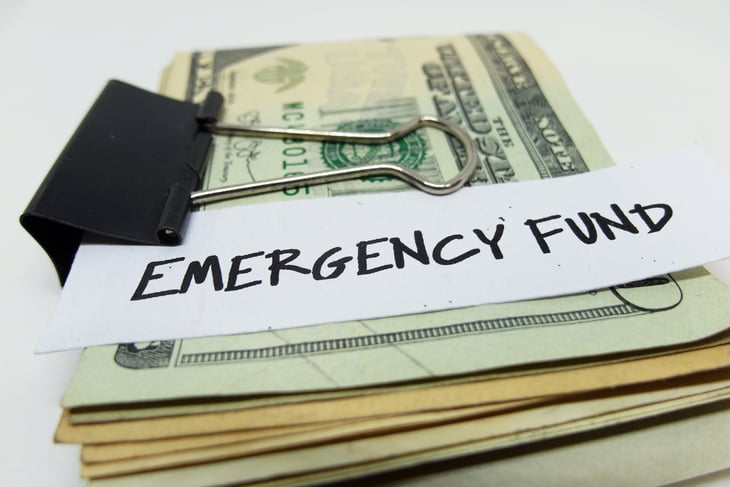
An emergency fund isn’t just a safety net — it’s a lifeline when markets take a dive or your income gets disrupted.
Aim for three to six months of essential expenses, parked in a high-yield savings account where it stays liquid and earns interest.
2. Diversify beyond the stock market

Putting all your money in one place — even a solid stock — makes you vulnerable. Diversification spreads out risk across asset types like bonds, real estate, and even cash.
Wise investors think in layers, not lanes.
3. Cut your high-interest debt

Volatile markets are tough, but so is paying 20% interest on a credit card. Reducing debt frees up cash and gives you flexibility when times get uncertain.
Start with the highest interest accounts and make a payoff plan. If you need to use credit, choose a card with rewards or a 0% intro APR to reduce costs while earning something back.
4. Review your insurance coverage

Unexpected events can derail even the best-laid plans. Make sure your health, home, life, and disability insurance are current, and cover what you truly need.
Coverage gaps can become financial sinkholes.
5. Invest for long-term goals

Short-term market dips shouldn’t derail your long-term vision. Retirement, education, and legacy planning still matter — even when headlines scream panic.
Keep contributing to your accounts and avoid emotional decision-making.
6. Keep some cash on the sidelines

Having dry powder — money that’s not tied up — allows you to pounce on opportunities or handle surprises.
Cash doesn’t earn much, but it buys peace of mind and flexibility in a downturn.
7. Set alerts and automate smart habits

Volatility can cause panic, but automation removes emotion from your money. Auto-pay bills, automate savings, and set alerts to track spending or drops in the market.
Smart systems are your financial seatbelt.
8. Consider alternative hedges

During unstable times, some investors turn to gold or commodities as hedges against inflation and market swings.
These can balance out losses when stocks fall, but do your research first.
9. Work with a professional

Volatile markets don’t just test your finances — they test your confidence. An experienced advisor can help you plan, pivot, and stay calm through chaos.
You don’t have to go it alone.
Your finances deserve armor

Markets may swing, but your financial plan shouldn’t crumble with every headline. When you stay prepared — with cash, coverage, strategy, and support — you gain protection and power.
So fortify now, and weather the next storm with confidence.

Add a Comment