



The U.S. has officially stopped minting new pennies — ending a long-running debate about the cost of keeping them in circulation. But just because the penny’s going away doesn’t mean your small money decisions don’t matter.
In fact, being mindful of the cents in your budget can still lead to thousands of dollars in long-term savings.
If your finances are in poor shape and you’re struggling with debt despite your best efforts, remember: seeking help is a sign of financial wisdom, not weakness.
Pro Tip: Get debt under control so you can start looking after your cents. If you have more than $20,000 in unsecured debt, get some professional help. National Debt Relief is a trusted source for free advice and assistance.
1. Maximize your membership perks

Many people overlook the substantial savings available through membership programs.
Organizations like AARP offer discounts that extend far beyond their primary services, covering everyday expenses from dining to travel and healthcare needs. Remember to actually use these benefits rather than just carrying the card.
Take inventory of all memberships you currently have through work, professional organizations, or personal subscriptions, and review their full benefits packages. Often, these programs pay for themselves several times over through discounts on services you already use.
Pro Tip: You can slash expenses on dining, travel, eyeglasses, prescriptions and more with AARP — Just $15/year with auto-renewal. Join now and save hundreds.
2. Optimize your emergency fund placement
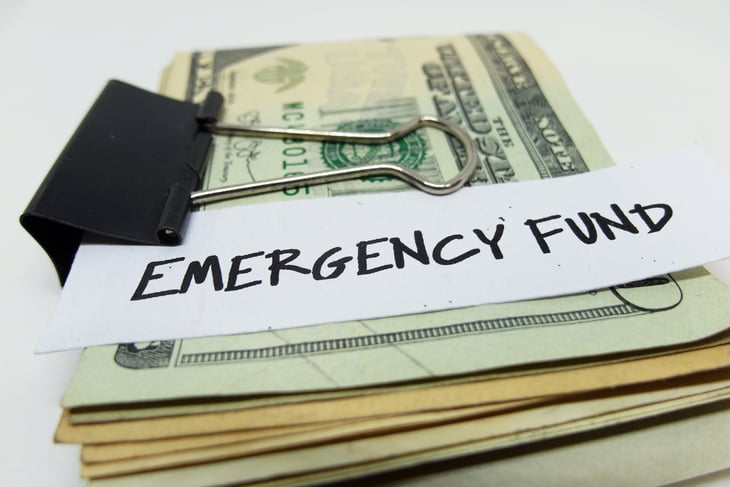
Having emergency savings is essential financial advice, but where you keep that money matters tremendously.
Many traditional savings accounts offer interest rates below 0.1%, essentially losing purchasing power to inflation every year. Today’s banking landscape offers significantly better options without sacrificing liquidity or safety.
Take an hour to research high-yield savings accounts with competitive rates and minimal fees. The difference between a 0.1% and a 3.8% yield on a $10,000 emergency fund is $370 annually. This is money earned while you sleep, with no additional effort.
Pro Tip: Make sure you earn as much as possible on your emergency savings. For example, SoFi Checking is offering 3.8% interest, plus a potential $300 signup bonus. (May change without notice.)
3. Budget for vehicle maintenance

Car repair costs have soared in recent years, catching many budget-conscious consumers off guard. Modern vehicle complexity, parts shortages, and specialized diagnostics all contribute to repair bills that can quickly drain emergency funds.
Instead of hoping nothing breaks, smart planning means preparing for inevitable costs. A monthly car maintenance fund helps, but for many — especially with older vehicles — protection plans offer financial predictability and peace of mind.
Pro Tip: One auto shop told Consumer Reports their average job rose from $1,600 a decade ago to $4,000 today. Endurance gives you access to thousands of ASE-certified repair shops and pays the bill upfront, so you’re only responsible for the deductible. Get a free quote today!
4. Slash your mobile phone costs

Mobile phone service is one of the most overpriced monthly expenses for many households.
The major carriers often charge premium prices for unlimited data packages that most users don’t come close to utilizing fully. Many consumers are paying $80-120 monthly when they could receive comparable service for a fraction of that cost.
Review your actual data usage over the past three months before your next contract renewal. Most people discover they use significantly less data than their plan allows, especially if they’re frequently connected to home or work WiFi.
Pro Tip: Consider switching it you pay more than $15 a month for your cell service? That’s more than you need to pay. Click here to save a bundle.
5. Regularly shop your car insurance

Unlike many products with relatively consistent prices across providers, car insurance rates can vary dramatically between companies for identical coverage.
Insurance algorithms are complex and constantly changing, meaning the company offering the best rate today may not be competitive next year.
Create a calendar reminder to comparison shop your auto insurance annually, about a month before renewal. Make sure you’re comparing identical coverage levels and deductibles. Many consumers discover savings of hundreds of dollars for just an hour of effort.
Pro Tip: Get into the habit of using a car insurance shopping site and find cheaper insurance. You might save up to $600/yr.
6. Navigate Medicare options carefully

Medicare decisions significantly impact both healthcare access and financial security for seniors. The system’s complexity – with Parts A through D, Medicare Advantage plans, Medigap policies, and annual enrollment periods – creates a landscape where costly mistakes are unfortunately common.
Making these decisions without expert guidance often leads to unnecessary out-of-pocket expenses, coverage gaps, or overpaying for redundant coverage.
The right Medicare combination depends on your specific health needs, preferred providers, prescription medications, and financial situation.
Pro Tip: You can get help from a licensed Medicare agent to find the right plan and maximize savings. Compare plans today.
7. Turn spare time into income

Finding ways to earn more pennies (and dollars) doesn’t necessarily mean taking on a demanding second job.
The digital economy has created numerous opportunities to monetize small pockets of time that would otherwise be spent scrolling social media or watching television.
Consider participating in market research, online surveys, or user testing during downtime. Individual payments may seem small, consistency adds up. Even 15-20 minutes daily can generate several hundred dollars monthly.
Pro Tip: How about a way to earn income with barely any effort? Over $55,000 is paid daily to this company's members who take surveys in their free time.
Earn $1,370 a month while you’re watching TV

Lots of companies let you earn money for testing apps, playing games and taking surveys. But FreeCash is in a league of its own.
They list thousands of offers from companies with most taking only around 5-10 minutes to complete. Ready to swap a little spare time for extra money?
Turn your spare time into cash, sign up now and get $5 just for starting your first offer!
8. Reconsider transportation options

Vehicle ownership represents one of the largest ongoing expenses for most households. Between depreciation, insurance, maintenance, fuel, parking, and financing, the average car costs $8,000-12,000 annually – often for vehicles that sit unused 95% of the time.
For many, particularly those living in urban areas or who drive infrequently, rideshare services can provide substantial savings compared to car ownership.
Calculate your true annual vehicle expenses and compare them to alternative transportation methods.
Pro Tip: You can still enjoy a convenient way of getting around. GoGoGrandparent makes it easy to schedule rides with just a phone call — no smartphone required. Memberships starting as low as $1 per day.
9. Start investing with minimal amounts

Many people delay investing, thinking it requires substantial capital. This misconception costs them years of potential compound growth. Today’s platforms have removed minimum balances and trading fees, opening market access to everyone.
What matters most isn’t how much you start with, but how long your money grows. Even small, regular contributions can add up.
Investing just $50 a month for 30 years at average returns could yield over $75,000 — a strong return on a modest commitment.
Pro Tip: Struggling with payments in retirement? A reverse mortgage can turn your home equity into tax-free cash for seniors 62+, no house sale required. Use the funds for medical bills, home repairs, or even that dream vacation—without monthly payments!
From penny-pinching to wealth-building

When you consistently implement these money-saving strategies, something remarkable happens.
The habits that begin with saving pennies gradually accumulate into significant dollars. The discipline of managing small expenses creates the foundation for building genuine wealth over time.
As your savings grow after implementing these strategies, you eventually reach a tipping point where your money starts working alongside you. At this stage, professional guidance can help optimize your growing assets, potentially accelerating your path to financial independence.
Pro Tip: If you have built more than $100,000 in savings, get some advice from a pro. SmartAsset offers a free service that matches you to a vetted, fiduciary advisor in less than 5 minutes.

Add a Comment