


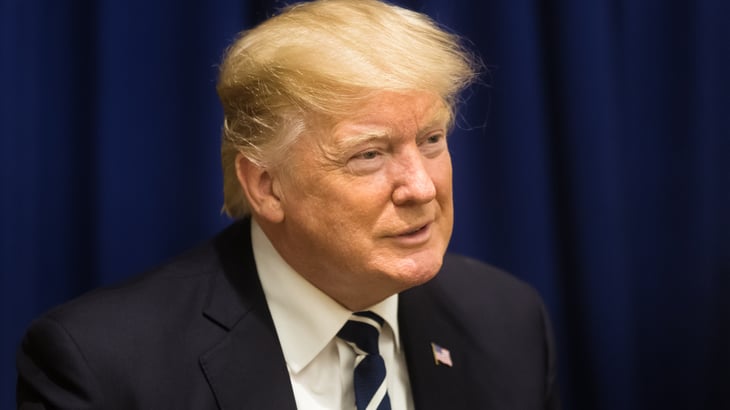
Under Trump’s administration, changes to credit and debt relief policies could significantly impact millions of borrowers across the country. While some proposals are still in the early stages, these shifts could influence everything from bankruptcy laws to alternative credit options.
Here are eight potential changes that could reshape the way consumers handle credit and debt relief.
1. Changes to Bankruptcy Laws Could Favor Lenders
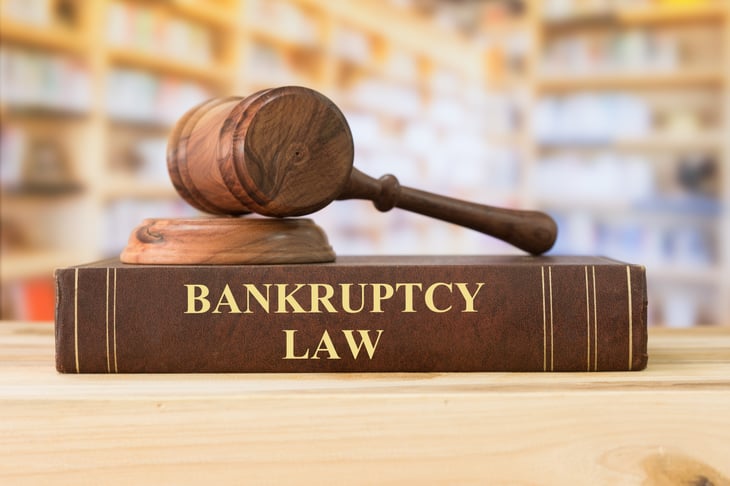
Trump’s campaign indicated a shift in financial regulation, with potential changes favoring traditional and non-traditional lenders. These changes could include reduced capital requirements for banks and new incentives in areas like digital assets, cryptocurrency, and financial technology.
While leadership at the Federal Reserve is expected to remain stable, agencies like the Office of the Comptroller of the Currency and the Consumer Financial Protection Bureau may face deregulation.
Changes could increase capital availability, enabling traditional lenders to extend credit more easily, especially to distressed entities. Additionally, due to decreased regulation and government incentives, non-traditional lenders backed by cryptocurrency or digital collateral could see significant growth.
Pro Tip: Buy, sell, and store hundreds of cryptocurrencies. Sign up and get up to $200 in crypto today.
2. Credit Card Interest Rate Cap

Trump’s proposal to cap credit card interest rates at 10% has sparked debate, with experts like Natasha Sarin warning it could limit credit access for high-risk borrowers. Without access to credit cards, these consumers may turn to payday lenders or pawn shops, which charge up to 400% in interest.
Sarin suggests focusing on eliminating hidden fees and improving transparency in credit card contracts instead of imposing a rate cap, as rewards programs and hidden costs disproportionately burden low-income individuals.
Pro Tip: Boost your shopping power: Get a no interest credit card today and enjoy stress-free spending!
3. Debt Settlement Programs Could Receive More Support

Under Trump’s policies, there may be increased support for debt settlement programs, where consumers negotiate directly with creditors to pay off a portion of their debt.
While this option can provide immediate relief, it may come at the cost of a damaged credit score. Borrowers should weigh the potential savings against the impact on their long-term credit health.
Pro Tip: Boost your credit score and unlock financial freedom – start your credit repair journey today!
4. Potential Reform of Credit Reporting Could Benefit Consumers

Trump has proposed reforms to the credit reporting system, making it easier for consumers to have accurate information reflected on their credit reports.
These changes could include removing outdated or inaccurate negative items sooner, allowing borrowers to recover their credit scores more quickly and potentially unlocking better loan options at lower interest rates.
5. Fewer Protections Against Aggressive Debt Collection

One potential downside of Trump’s credit policies is the rollback of consumer protections against aggressive debt collection tactics. If these protections are reduced, borrowers may face more harassment from debt collectors.
Understanding your rights and working with trusted debt relief experts could help you navigate these changes effectively.
Pro Tip: Know your rights and protect your identity with top-rated ID theft protection.
6. Stricter Loan Forgiveness Programs

Trump has proposed tightening the rules for loan forgiveness programs, potentially reducing the number of eligible borrowers. While some programs, such as Public Service Loan Forgiveness (PSLF), might be affected, others may be consolidated into fewer, more rigid plans.
Borrowers seeking forgiveness should stay informed about these changes and explore alternative repayment strategies if necessary.
Pro Tip: When you spend on anything, always pay with a top-ranked cash-back card.
7. A Push for More Privatization in Student Loans

Trump’s administration has indicated a desire for more privatization in the student loan industry. This could mean fewer federal loan options and more reliance on private lenders, which may offer less flexibility in repayment options.
Borrowers should be cautious when considering private loans and ensure they are comfortable with the terms before proceeding.
Pro Tip: Turn your dreams into reality – apply for a personal loan and get the funds you need fast!
8. Reduced Protections for Consumers Seeking Debt Relief

Trump’s policies may reduce some of the protections for consumers seeking debt relief, particularly when it comes to regulating for-profit debt relief companies. These companies often charge high fees, and reducing regulations could expose consumers to greater risks.
Borrowers should carefully vet any debt relief company before enrolling in a program to ensure they work with a reputable provider.
Pro Tip: Earn as much as possible on your emergency savings. For example, SoFi Checking is offering 4% interest, plus a potential $300 signup bonus. (May change without notice.)
What Borrowers Can Do Now

With significant changes potentially on the horizon, borrowers should stay informed and proactive about their credit and debt relief options. Whether reviewing credit reports, considering debt settlement programs, or consulting a financial advisor, taking control of your financial future is crucial.
While Trump’s policies may reshape the landscape, careful planning and the right tools can help you manage your finances effectively.
Understanding the potential impacts of these proposed changes can help you make informed decisions and be prepared to navigate a shifting financial environment.

Add a Comment