


Eating healthy doesn’t have to be expensive. While rising grocery prices have many of us wincing at checkout, nutritious eating and budget-consciousness can coexist.
Good news? You don’t need hours of deal hunting. With some strategic planning, you can fill your cart with healthy foods that nourish both your body and your wallet.
Much like meal planning, a strategic financial approach can stretch your dollars further.
Pro Tip: If you’ve got at least $100,000 in investments, check out a free service called SmartAsset. You fill out a short questionnaire and get matched with up to three vetted financial advisors in your area.
1. Plan meals around sales and seasonal produce

Rather than planning meals and then shopping, check your store’s circular and build meals around what’s on sale. Seasonal produce is cheaper and fresher — summer berries in July are much more affordable and tastier than in winter.
Make a flexible meal plan incorporating sale items, helping avoid the trap of last-minute takeout.
Meal planning is like having an emergency food fund — it prevents impulsive spending when hunger strikes unexpectedly.
Pro Tip: Earn as much as possible on your emergency savings. For example, SoFi Checking is offering 3.8% interest, plus a potential $300 signup bonus. (May change without notice.)
2. Embrace frozen fruits and vegetables

Frozen produce is harvested at peak ripeness and flash-frozen, often retaining more nutrients than fresh produce that’s traveled far. Frozen berries, spinach, broccoli, and mixed veggies cost less than fresh, especially out of season.
Having frozen veggies on hand reduces the need for expensive, less-healthy takeout when you’re short on time. While focusing on nutrition is key, regular health screenings can help catch potential issues early.
Pro Tip: Life Line Screening reveals hidden risks so you can act early. Book a screening today and have peace of mind.
3. Buy whole foods instead of processed convenience items
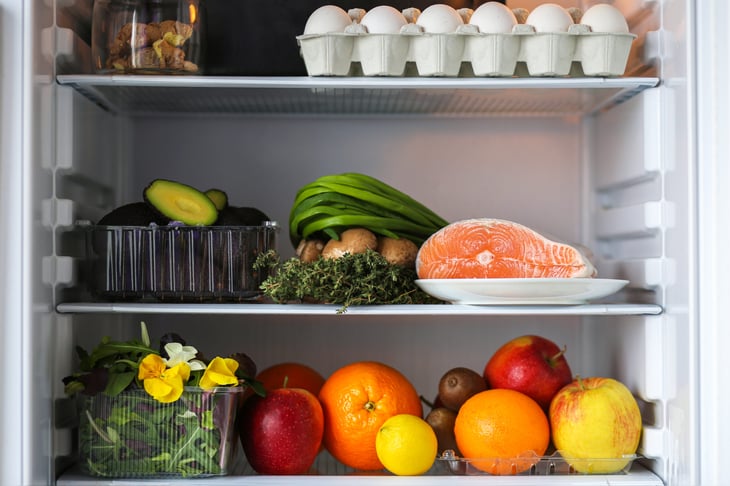
Pre-cut vegetables, packaged snacks, and ready-made meals come with a convenience tax. A block of cheese costs less per ounce than pre-shredded. A head of lettuce is more affordable than bagged salad. Whole chickens are cheaper than boneless breasts.
Breaking down these foods saves money and lets you control portions and ingredients, eliminating unnecessary additives.
Finding smart ways to save on groceries is part of financial wellness. For larger expenses, additional resources may be needed.
Pro Tip: Need cash, debt relief, or help funding a major expense? Find the best options tailored to your needs—fast, easy, and secure. Explore financial solutions here.
4. Build meals around affordable protein sources

Protein is often the most expensive ingredient on our grocery bills, but budget-friendly options abound. Eggs, though higher in price these days than they used to be, remain one of the cheapest complete proteins.
Canned tuna, sardines, and salmon provide omega-3s at a fraction of the price of fresh seafood. Plant proteins like beans, lentils, and tofu are cheap and nutrient-dense.
For meat, less expensive cuts like chicken thighs and pork shoulder provide great flavor at a fraction of the price of premium cuts. Diversifying protein sources balances your food budget, while diversifying investments can balance your financial future.
Pro Tip: One way to diversify is with real estate and venture capital. Companies like Fundrise offer investments as small as $10.
5. Cook in batches and embrace your freezer

Cooking larger portions and freezing them saves both time and money. When ingredients are on sale, prepare double batches of soups, stews, casseroles, and grain dishes.
Stored properly, homemade “frozen dinners” last for months and prevent buying ingredients that spoil before use. This makes healthy eating more convenient on busy days, reducing the need for expensive takeout.
Protecting your crucial home appliances, like your freezer, prevents unexpected expenses from derailing your budget.
Pro Tip: Consider a home warranty: Example? First American covers everything from home appliances to heating and cooling. Take a second and see what policies cost and what they cover.
6. Reduce food waste with strategic storage

The average American household wastes 30% of food, throwing away a third of their grocery budget. Combat this by learning proper storage techniques.
Store herbs with stems in water and separate ethylene-producing fruits from vegetables. Try a “use first” bin for aging items and turn leftover produce into soups, smoothies, or stir-fries.
Eliminating waste in the kitchen is like eliminating debt — both free up resources and reduce financial stress.
Pro Tip: If you have more than $20,000 in unsecured debt, get professional help. National Debt Relief is a trusted source for free advice and assistance.
7. Shop store brands with confidence

Store brands and generics now offer high quality at 20-30% less than name brands.
For pantry staples like rice, beans, oats, frozen vegetables, and canned goods, store brands are just as nutritious but often cheaper.
Even store-brand organic options can cost less than name brands, making healthy choices more affordable. You can also supplement your income to make healthy eating more affordable.
Pro Tip: Looking for a way to earn income with barely any effort? Over $55,000 is paid daily to this company's members who take surveys in their free time.
8. Invest in a few key staples in bulk

Buying in bulk isn’t practical for everything, but selectively purchasing non-perishables can save you a lot. Whole grains like rice, quinoa, and oats store well and offer substantial per-serving savings.
Cooking oils, vinegars, dried beans, and certain spices also offer bulk savings. To avoid waste, buy larger quantities of items you regularly use.
Small, consistent investments in your pantry mirror how successful investors build financial security over time.
Pro Tip: Invest with zero commissions! Start small with just $1 and diversify across stocks, bonds, ETFs, crypto, and art using this popular app - sign up today.
Your wallet and well-being can thrive together

Eating healthfully on a budget isn’t about deprivation — it’s about thoughtful choices and small habit changes. These strategies help you prioritize nutrition without sacrificing financial well-being.
Many budget-friendly foods — beans, eggs, seasonal vegetables, whole grains — are the same foods nutritionists recommend. Healthy options can also be the most affordable.
This principle applies to many areas of life, including taking advantage of discounts and resources available to make healthy living more affordable.
Pro Tip: Slash expenses on dining, travel, eyeglasses, prescriptions and more with AARP – Just $15/year with auto-renewal. Join now and save hundreds.

Add a Comment