



Groceries can easily become the biggest expense for many households. That’s why it’s important to stay vigilant about your spending.
Familiarizing yourself with common ways you might waste money at the grocery store is the first step to avoiding bad habits.
1. Shopping without a plan
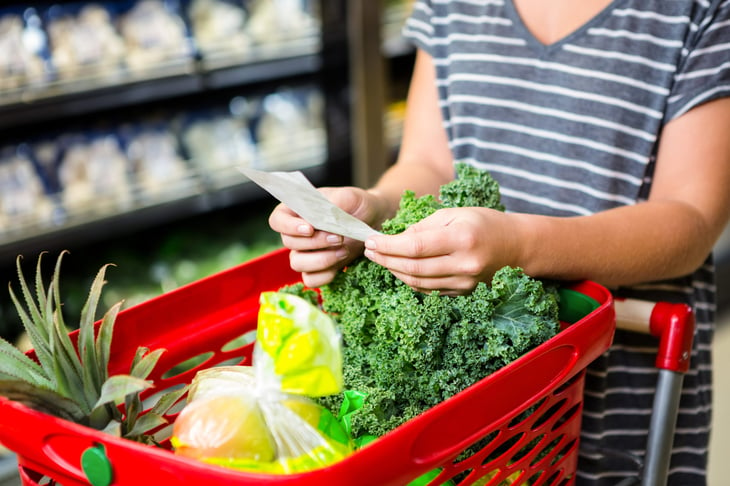
Impulse purchases at the grocery store may affect your bottom line more than you think. One poll shows that 64% of respondents say they spend more because of these purchases, with 53% tacking on an additional $15 to $54 per trip.
Making a list ahead of time can help you avoid this problem. And while you’re at it, sign up for loyalty programs at the stores you frequent. Doing so will give you access to digital coupons and allow you to take advantage of loyalty sales.
And don’t forget to capture cash back with apps like Rakuten and Capital One Shopping
Finally, always use a cash-back credit card. You can find the best ones at sites like this one
2. Choosing convenience over price
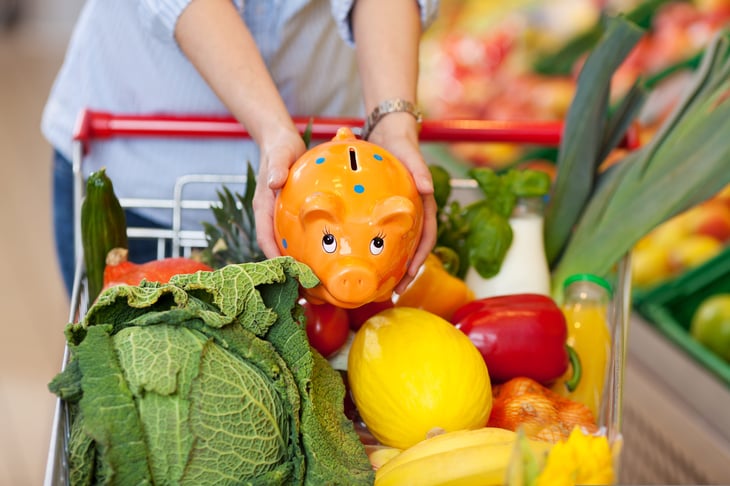
Are pre-sliced cantaloupe chops really worth it?
That purchase can cost you several dollars per pound, whereas the whole melon will be just $1.27.
Unfortunately, that’s the case with every convenience purchase. Deli-roasted chickens are double the price of their uncooked counterparts. Pre-pattied hamburgers are at least $1 more per pound. Bagged romaine lettuce costs $6 per pound more than a whole head.
The solution is to buy whole and slice or shred yourself. Also, break out the pots and pans and skip prepared meals.
3. Not buying in bulk
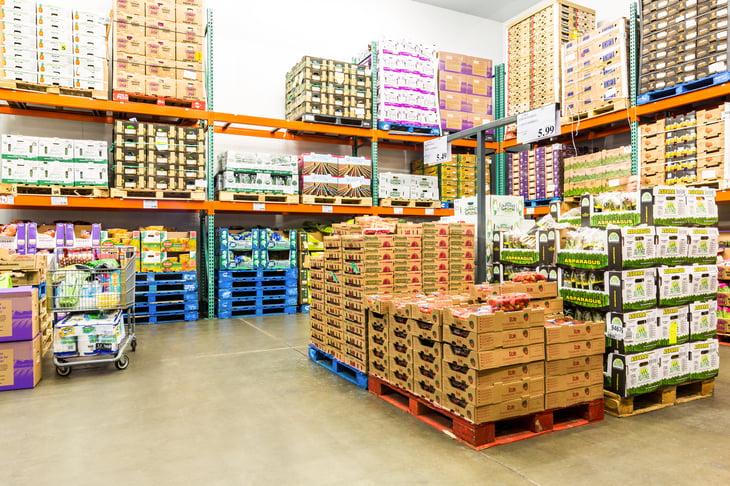
For perishables, buy bulk. Use what you need and freeze the rest.
You’ll save a lot of money by the pound and will appreciate this stockpile, which is available at a moment’s notice. Interested in only fresh ingredients? Bulk can work for you, too.
There’s no such thing as a small package of potatoes. They’re sold in five-, 10-, or 15-pound bags. Purchase the bag that suits your family size. Make mashed potatoes for dinner, then pre-cut hash browns and twice-baked potatoes for later in the week.
Chicken breasts are another excellent bulk buy. Pick up the value pack, grill all of them, shred what remains and freeze. Such prep will save you hours later.
4. Sticking with name brands
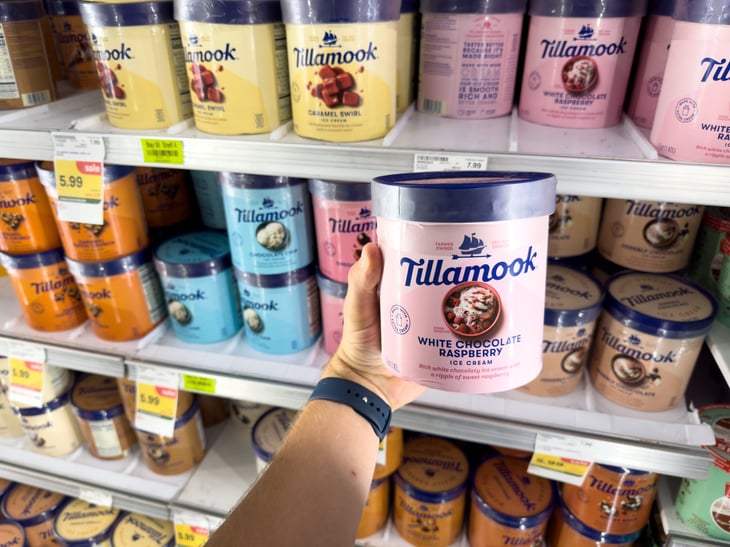
Are you genuinely loyal to Tillamook ice cream or Hidden Valley Ranch? Sure, one name brand or another may offer the best taste for specific items, but the difference is negligible for most products.
And remember to watch the prices of those name brands. Name brands often go on sale for less than store brand counterparts. Use this to your advantage and save even more money the next time you shop.
5. Being afraid of markdown items

Be sure to monitor the areas regularly used to sell discounted items and discontinued goods.
Many grocery stores also have sales on staple products because they might be close to expiration. When it comes to meat, this means same-day or next-day expiration. Check the sticker labels and for a manager’s unique flag. You can often find marinated pork tenderloins or deli sandwich kits with markdowns.
Because food prices have gotten so high in recent years, you might be afraid that all those meat products have gone bad. But you’ll be fine if you freeze it right away. Some meat managers will let you open the packages, vacuum seal the individual pieces of meat, and hand those same pieces back to you at the manager’s special price. That will save you the hassle of doing so at home.
Remember to inspect produce before purchase, even at a discount. For example, lemons on sale for $0.99 may be the smallest size or overripe and ready for the compost bin.
6. Being afraid of damaged goods

Many stores operate according to a “damage allowance.” This means the product is taken out of the box it was delivered in and shelved differently. For example, open six-packs of soda will have the cans sold individually.
Even more, red tags indicate damaged products that stores will sell for less. And just because one box is damaged doesn’t mean you shouldn’t try it. If the next box in line is undamaged, you can probably grab that one for the same price.
7. Doing any non-food shopping

Grocery stores often mark up non-food items like aspirin, lightbulbs, and cleaning supplies. While grabbing these items during your weekly trip is convenient, you’ll typically find better deals at discount retailers like Target, Walmart, or dedicated stores for specific products. A little extra planning can save you a lot in the long run.
The bottom line

Shopping smart can save you money, but it’s a process that takes practice.
Develop good habits and you’ll not only save, but end up with a healthier diet.

Add a Comment