


Credit card debt is increasing, and with rising interest rates, managing balances has become more important than ever. As economic conditions shift, many people find it harder to keep up with payments, making it essential to take proactive steps to stay in control.
Whether you’re working to pay down existing debt or simply want to use credit wisely, smart financial habits can help you avoid costly interest, protect your credit score, and maintain long-term stability. By making informed decisions and adjusting your approach, you can keep debt from becoming a burden.
In this guide, we’ll outline five effective strategies to help you manage your credit cards with confidence and safeguard your financial future.
1. Watch Out for Rising Interest Rates

The Federal Reserve’s recent rate hikes have pushed credit card APRs to an average of 20% or higher. Even small balances can grow quickly with such high rates if you’re not careful.
To minimize costs, avoid taking on new credit card debt if possible and prioritize paying off cards with the highest interest rates first. The snowball or avalanche method can help you develop a clear repayment strategy.
Pro Tip: Struggling with unsecured debt? If you have more than $20,000 in debt, National Debt Relief offers free advice and trusted assistance to help you get back on track.
2. Reevaluate Your Spending Habits

A recent study revealed that 41% of financially struggling credit cardholders regularly hit their spending limits. If you’re constantly maxing out your cards, it’s time to revisit your budget and identify where you can cut back.
Focus on needs versus wants, and track your expenses to spot unnecessary spending. Apps like Mint or YNAB (You Need a Budget) can make this process easier.
3. Pay More Than The Minimum

If you’re carrying credit card debt, paying only the minimum each month could trap you in a cycle of never-ending payments. With interest rates at record highs, the longer you take to pay, the more money you’ll lose to interest.
Instead, focus on paying more than the minimum—even small additional payments can help you cut down your debt faster. Tools like debt payoff calculators can show how much time and money you’ll save by increasing payments.
4. Build an Emergency Fund
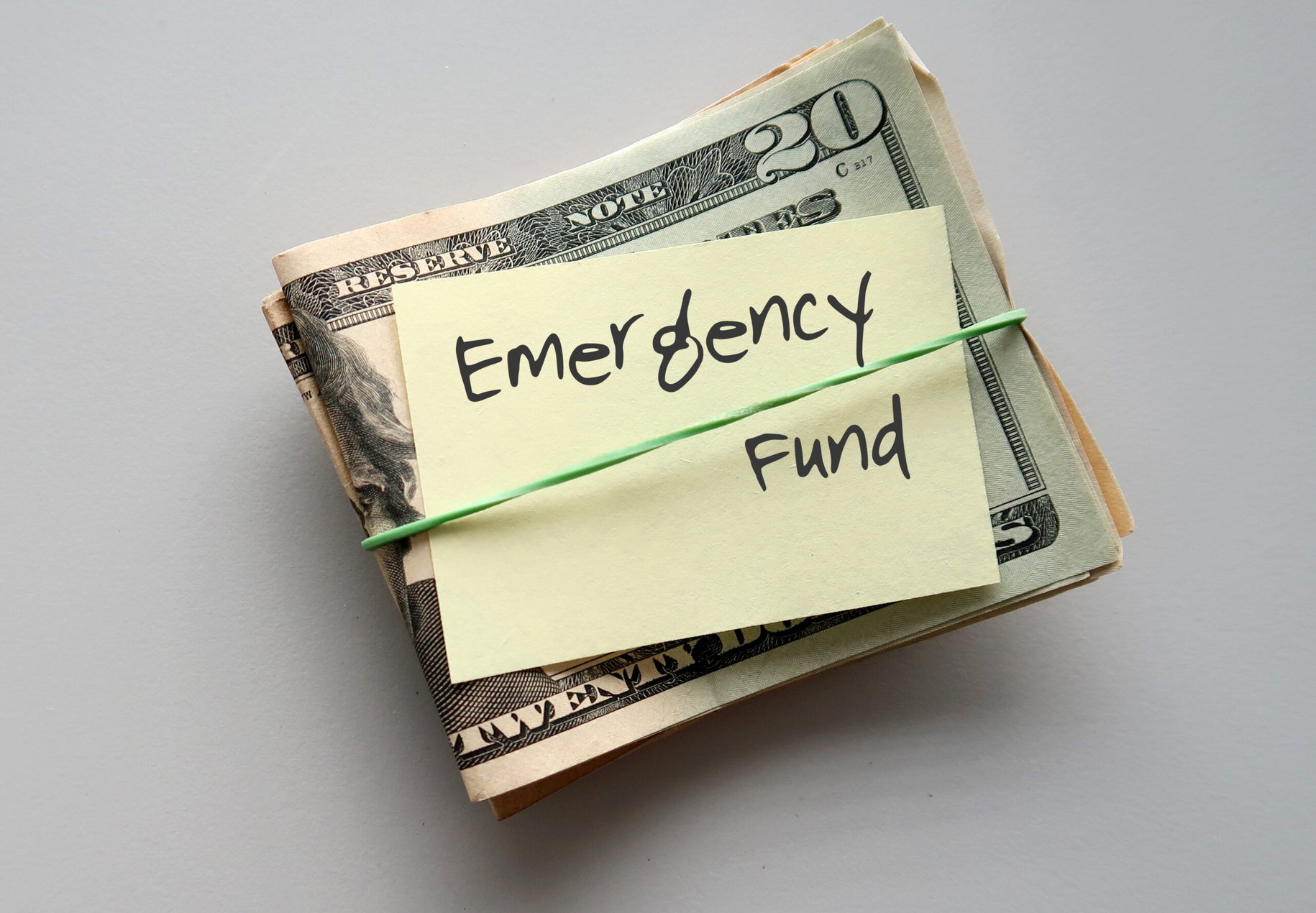
Emergencies like unexpected car repairs or medical expenses often push people into debt. To avoid this trap, prioritize building an emergency fund with at least three to six months’ living expenses.
Set up automatic transfers to a high-yield savings account to make saving a habit. Even starting small can help you cover unexpected costs without relying on credit.
Pro Tip: Maximize your emergency savings with high returns. SoFi Checking pays a competitive APY on savings, plus a cash bonus for new members who set up direct deposit—helping you build your financial cushion faster. (Offer may change without notice.)
Earn up to 4.40% Annual Percentage Yield (APY) on one SoFi Savings account with a 1.10% APY Boost (added to the 3.30% APY as of 10/20/26) for up to 6 months. Open your first SoFi Checking and Savings account between 10/20/26 and 12/31/27, then within 60 days of account opening receive an eligible direct deposit OR $5,000 or more in qualifying deposits. You must maintain eligible direct deposit or $5,000 in qualifying deposits every 31 days to keep the Boost, for up to 6 months. Rates variable, subject to change.
Terms apply at sofi.com/banking. SoFi Bank, N.A. Member FDIC.
5. Avoid Carrying a Balance

Credit card companies make billions from interest payments, and carrying a balance month-to-month only makes you part of that statistic. If possible, pay your balance in full each month to avoid costly interest charges.
If you’re struggling to pay off your balance, consider transferring it to a 0% APR credit card or a low-interest personal loan to save on interest while you catch up.
The Bottom Line on America’s Debt Crisis

The surge in credit card defaults is a wake-up call for everyone, not just those financially struggling. Rising debt levels, higher interest rates, and inflation create a perfect storm that could unexpectedly impact your wallet.
By taking proactive steps like building an emergency fund, paying down debt, and cutting unnecessary expenses, you can safeguard your finances and avoid falling into the trap of mounting debt. Start small, stay consistent, and remember—every dollar counts.
Pro Tip: Need cash, debt relief, or help funding a major expense? Find the best options tailored to your needs—fast, easy, and secure. Explore financial solutions here.

Add a Comment