


Winter storms bring icy roads, power outages, and costly damage—but for scammers, they’re also a golden opportunity. When chaos hits, criminals prey on homeowners, desperate travelers, and kind-hearted donors, using fake services and fraudulent schemes to steal money.
Don’t let these con artists take advantage of you during the next big freeze. Here are 12 shocking winter storm scams that could cost you thousands—and how to avoid them.
1. Fake snow removal services
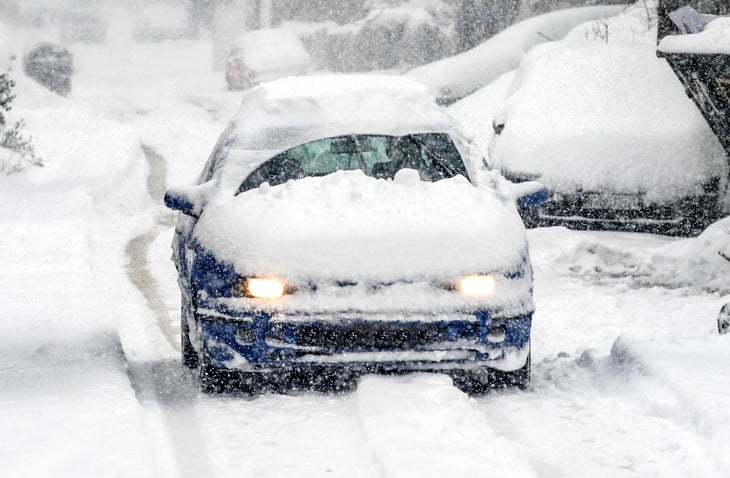
After heavy snowfall, scammers pose as plow drivers or snow removal companies, demanding upfront payment for services they never provide.
They often target elderly homeowners and those in urgent need, knowing desperation makes people more vulnerable to scams.
- Red Flag: They insist on cash payments and refuse to show identification.
- How to Avoid It: Hire only licensed and insured contractors; never pay in full before work begins.
2. Bogus home repair contractors

Winter storms can cause roof collapses, frozen pipes, and structural damage. Fraudulent contractors promise emergency repairs that disappear after taking your money or perform shoddy work.
They often pressure homeowners to sign contracts immediately, making it harder to dispute later. Protect yourself by thoroughly vetting any contractor and refusing to pay upfront.
- Red Flag: Unsolicited offers and pressure to sign contracts on the spot.
- How to Avoid It: Verify credentials, get multiple estimates, and avoid paying in full upfront.
Pro Tip: Don’t let a winter disaster drain your wallet. Compare quotes from top providers to find reliable home insurance at the best price before the next storm hits.
3. Utility company impersonators
Scammers pretend to be from your gas or electric company, claiming your service will be shut off unless you make an immediate payment.
They often spoof official phone numbers to appear legitimate, making it harder to spot the fraud. Some even threaten additional late fees or legal action to create a sense of urgency and pressure victims into paying.
- Red Flag: Requests for payment via gift cards, wire transfers, or cryptocurrency.
- How to Avoid It: Call your utility company to confirm any billing issues.
Pro Tip: A strong emergency fund can protect you from unexpected expenses. SoFi Checking offers 4% interest and a potential $300 signup bonus—giving you extra cash when you need it most. (Rates may change without notice.)
4. Disaster relief donation scams

Fake charities pop up after severe winter storms, preying on goodwill to collect donations that never reach victims. These scammers create convincing websites and social media pages, using heartbreaking images and urgent pleas for help.
They may even impersonate well-known charities, making distinguishing real organizations from frauds difficult. Once they collect donations, they vanish—leaving real disaster victims without support.
- Red Flag: Pressure to donate immediately via cash apps or untraceable methods.
- How to Avoid It: Verify charities through CharityNavigator.org before donating.
5. Phony insurance adjusters

After a storm, fraudsters can pose as insurance representatives, offering to handle your claim in exchange for a hefty “processing fee.” They use official-looking paperwork and reference real policies to appear legitimate, preying on overwhelmed homeowners.
Consult a certified financial advisor before making financial decisions—especially large claims or settlements.
Accredited advisors can help you navigate insurance payouts and invest settlement money wisely to protect your long-term financial health.
- Red Flag: Requests for upfront payments or personal information like your Social Security number.
- How to Avoid It: Contact your insurance provider directly for claim verification.
Pro Tip: A financial expert can help protect and grow your wealth after a major payout. If you have at least $100,000 in investments, SmartAsset connects you with up to three vetted fiduciary advisors—completely free.
6. Fake hotel booking scams

When blizzards shut down travel, scammers create fake hotel listings, tricking stranded travelers into paying for rooms that don’t exist.
They often create convincing websites or post on legitimate booking platforms with stolen photos to appear authentic.
Victims arrive at their destination only to find that the hotel has no record of their reservation, leaving them scrambling for last-minute (and often overpriced) accommodations.
- Red Flag: Deals that seem too good to be true or require wire transfers.
- How to Avoid It: Book directly through official hotel websites or reputable travel agencies.
Pro Tip: A storm can disrupt more than just travel plans—medical emergencies abroad can cost $30,000 or more, and cancellations could wipe out your savings. Protect your journey now with comprehensive travel insurance.
7. Fraudulent space heater sellers

Online scammers promote fake space heaters on social media, taking payments but never delivering the product. They often use limited-time offers, deep discounts, and fake customer reviews to lure in buyers.
Once they collect your money, they either disappear or send a low-quality product that doesn’t match the description.
- Red Flag: Ads with over-the-top claims and no customer reviews.
- How to Avoid It: Purchase from trusted retailers and check for return policies.
8. Emergency tree removal rip-offs
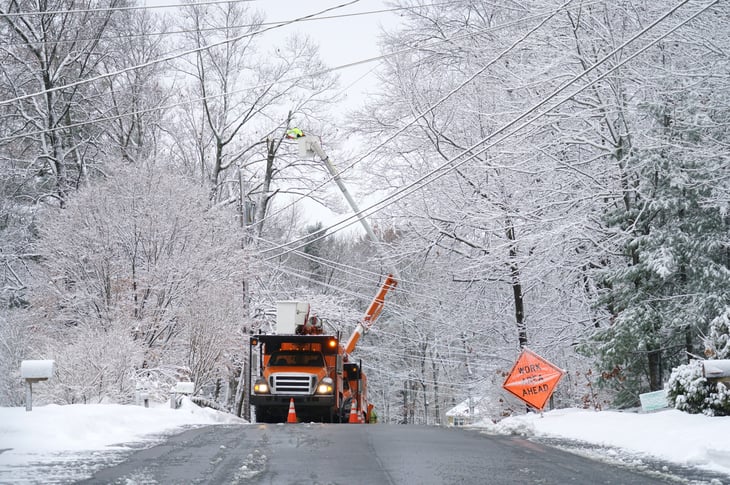
Fallen trees can cause severe property damage, but dishonest companies charge inflated fees or demand payment upfront—then vanish.
Some even go door-to-door, claiming immediate action is needed to prevent further damage, pressuring homeowners into quick decisions.
Without proper licensing or insurance, these scammers leave victims with incomplete work, legal liabilities, or even more damage than before.
- Red Flag: No local address, license, or proof of insurance.
- How to Avoid It: Get written estimates from reputable arborists before agreeing to work.
Pro Tip: Need fast cash for storm repairs? A home equity loan can provide quick funding at a lower interest rate than credit cards. See how much you can get, how fast you can get it and how little you'll pay.
9. Fake government assistance programs
Scammers claim to offer financial aid for storm damage, tricking victims into handing over personal and banking details. They often pose as government agencies or disaster relief organizations, using official-looking emails and websites to appear legitimate.
Once they have your information, they can drain your bank account, steal your identity, or even file fraudulent claims in your name.
- Red Flag: Requests for sensitive information like your Social Security number over the phone.
- How to Avoid It: Check official government websites before requesting assistance.
10. Rental property scams
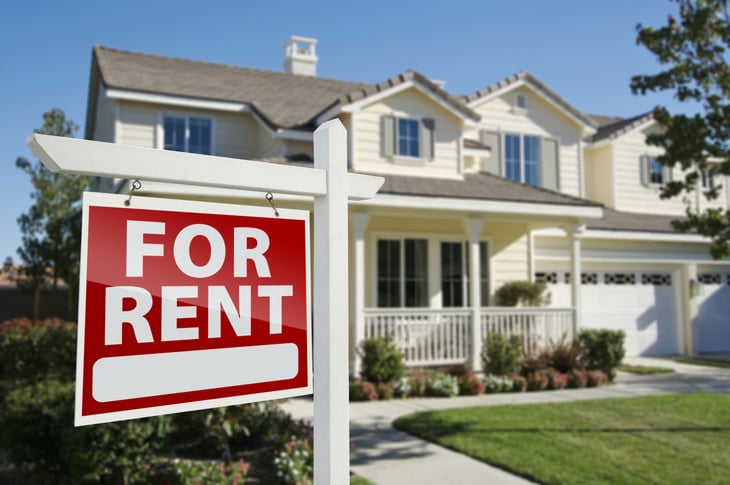
After a storm damages homes, scammers list fake rentals to exploit displaced families desperate for housing.
They post convincing ads with stolen photos, asking for deposits or the first month’s rent upfront—only for the listing to disappear once the money is sent.
Victims often don’t realize they’ve been scammed until they arrive at the address and find the property already occupied or nonexistent.
- Red Flag: Landlords who refuse to show the property before requesting payment.
- How to Avoid It: Verify ownership records before sending any money.
11. Price gouging on emergency supplies

When demand spikes, some businesses jack up prices on essentials like firewood, generators, and bottled water. They take advantage of supply shortages and consumer desperation, sometimes doubling or tripling prices overnight.
In many states, price gouging during emergencies is illegal, but that doesn’t stop unscrupulous sellers from trying to make a quick profit.
- Red Flag: Items priced significantly higher than usual without justification.
- How to Avoid It: Report gouging to your state attorney general’s office.
12. Fake car repair shops
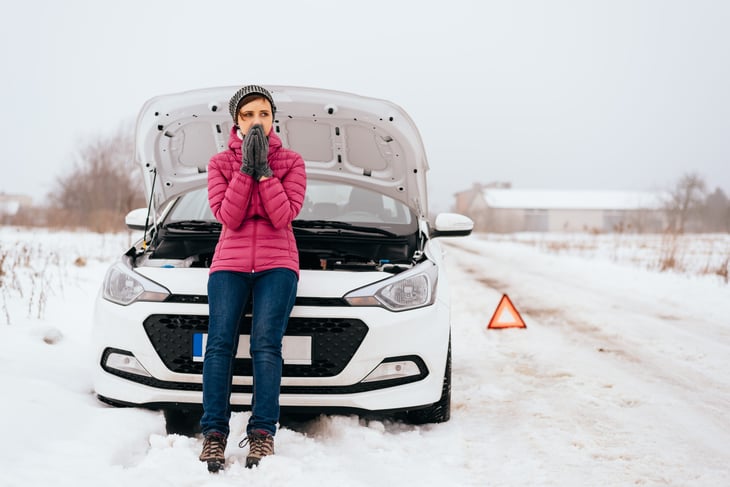
Icy roads lead to accidents—and opportunistic scammers posing as mechanics. They take deposits and either disappear or do subpar repairs.
Some operate from makeshift roadside setups, offering “quick fixes” that leave your car in worse condition. Others convince drivers to tow their vehicle to a fake repair shop, only to demand additional fees before releasing it.
- Red Flag: Shops with no online presence or customer reviews.
- How to Avoid It: Use verified mechanics and request detailed invoices before paying.
Pro Tip: Don’t overpay for protection on the road. Use this car insurance shopping site to compare rates—you could save up to $600 per year on coverage.
Stay safe and scam-free this winter

When winter storms hit, fraudsters see an opportunity—but now you know how to spot and avoid their tricks. Staying informed and verifying services before handing over money can help you keep your finances safe all season.
If you’re looking for secure ways to protect your savings, consider a high-yield account. This can grow your funds while you stay prepared for emergencies.

Add a Comment