



Grocery stores are sneakier than you think, using subtle tactics to get you to spend more.
From clever packaging that disguises smaller quantities to inflated prices on everyday essentials, these common items quietly drain your wallet — often without you even realizing it.
1. Pre-cut fruits and vegetables

Convenience comes at a price. Pre-cut produce can cost up to three times more than whole fruits or vegetables.
Buying whole produce and cutting it yourself takes just minutes. It keeps your food fresher longer and significantly cuts your grocery costs, freeing money for other budget priorities.
2. Brand-name spices

Brand-name spices are often overpriced and don’t necessarily offer better quality. Generic or store-brand options are often just as good at a fraction of the price.
Better yet, buy spices in bulk from a local market or co-op to save even more.
3. Bagged salad mixes
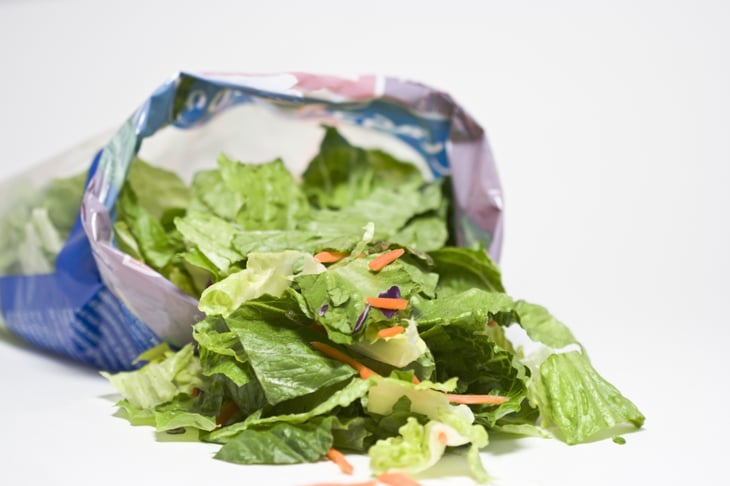
You’re paying extra just to let someone wash and chop your salad greens. Bagged salads often cost double whole lettuce heads or spinach bundles.
Preparing salads yourself at home gives fresher — and more affordable — results without adding much prep time.
Slash other budget categories, too. Save up to $600 on your car insurance with this car insurance comparison site.
4. Bottled water

One of the easiest ways to overspend is to pay for bottled water when tap water is readily available. A single gallon of bottled water can cost hundreds of times more than tap water.
Invest in a reusable water bottle and a home filtration system to save money and reduce waste.
5. Pre-packaged snack packs

Individually packaged snack bags may seem easy, but they often cost double or triple compared to standard-size versions.
Grab bigger boxes and pack your snack portions using reusable containers. You’ll conveniently create your own affordable snack packs at home.
6. Organic produce that isn’t on the dirty dozen list

Organic produce can be beneficial, but not all items justify extra cost. Buy organic items from the Dirty Dozen list due to higher pesticide residues; otherwise, save money buying conventional.
Focusing on smart produce purchases helps you balance healthy eating with wise spending.
Health-conscious grocery shoppers can further protect their finances with regular wellness check-ups. Book Life Line Screening and catch hidden health issues early to avoid costly treatment.
7. Pre-shredded cheese

Pre-shredded cheese offers convenience — but at a steep cost increase from block cheese you shred at home.
Buying whole cheese blocks saves money and avoids additives from processed shredded cheese.
8. Brand-name pantry staples

Brand names don’t always mean better quality, especially staples like flour, rice, or sugar. Store-brand versions are generally just as good at a fraction of the price.
Switching to generic staples stretches your grocery budget further without sacrificing quality or taste.
9. Gourmet coffee

Buying pre-packaged gourmet coffee beans from the grocery store can add up quickly.
Often, local coffee shops sell beans for a similar price or even cheaper, with better flavor and freshness.
Consider supporting a local roaster for high-quality coffee at a better value.
10. Frozen dinners

While convenient, frozen dinners can be overpriced and often lack nutrition compared to homemade meals.
You can save money by meal-prepping frozen entrees yourself. Just cook large batches and portion them into freezer-ready containers for simple reheating later.
When major household appliances breaks down, it can disrupt meal routines and budgets. Protect your home from costly appliance repairs by exploring affordable home warranty coverage at First American. They cover everything from home appliances to heating and cooling. Take a second and see what policies cost and what they cover.
11. Name-brand cleaning supplies

Brand-name cleaning products usually have a significant markup compared to store brands, yet they aren’t necessarily more effective.
Alternatively, inexpensive homemade solutions like vinegar, baking soda, and lemon provide equally good results with substantial savings.
12. Single-serve coffee pods

Coffee pods can be convenient, but remain one of the priciest ways to brew coffee at home. Traditional brewers or French presses yield flavorful cups at lower costs.
Reusable pods offer convenience without the steep price.
Pro Tip: Overpaying monthly bills cuts into your coffee budget. Paying more than $15 monthly for your cellphone? Click here to save a bundle and lower your expenses today.
Stretch your budget without sacrificing quality

Grocery shopping doesn’t have to break the bank. Avoid these 12 overpriced items in favor of cheaper alternatives, and potentially save hundreds each year without sacrificing great food.
Simple money-saving habits like buying whole produce, generic brands, and prepping snacks at home empower your finances, giving you more for less effort.

Add a Comment