



Shopping for a home is a task like none other. There are, to name a few of the challenges, mortgage intricacies, financial calculations, the competitive marketplace and the hard work of visiting and assessing each prospective property. Don’t get swept away in the excitement and work and miss crucial problems with the building itself.
Here are a handful of common, costly and not necessarily obvious problems with residential structures. A home inspection — always a smart idea, even if it’s not required by your mortgage lender — is meant to spot such issues. But a problem might go unnoticed.
If you buy a home needing expensive repairs, you’ll want to do so with your eyes open.
Read on to see some expensive but not always obvious issues to watch for when you shop for a home.
1. An awkward floor plan

Average cost: $6,760
When you own a home with a layout you don’t love — maybe the interior is chopped up into many small rooms and you would prefer an open floor plan — change is possible. But it takes money.
According to home and garden website The Spruce, the cost of moving 120 square feet of load-bearing wall in a home’s interior runs $6,760 on average. Costs range, though, from $2,120 at the lower end to a high of about $11,400 to remove an exterior wall or an interior wall that contains multiple services (like electric or water lines) that require rerouting.
Loadbearing Pros, a specialist contractor in Centerville, Utah, estimates the job at $1,500 to $10,000. Your price would depend, the site says, partly on what’s inside the wall. If the wall contains asbestos, removing it adds to the cost.
2. Foundation cracks
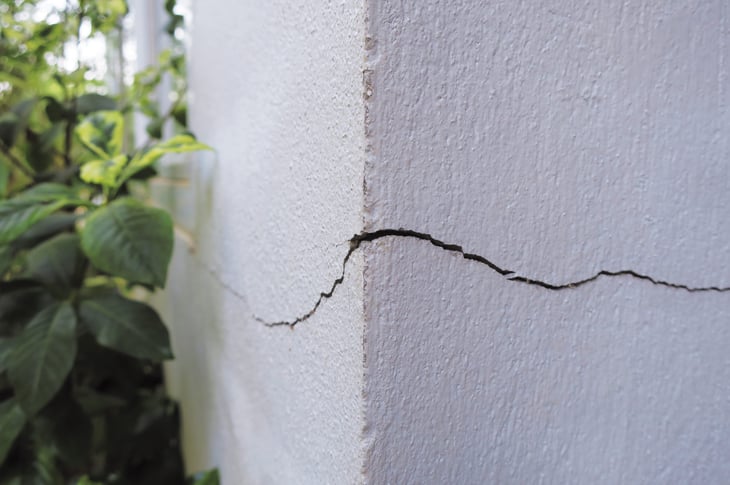
Average cost: $542
Average costs for foundation repairs run between $386 and $1,230, says Thumbtack, an online service that connects service providers with customers.
That doesn’t seem like a crazy amount. But, remember: Reasons for cracks vary and not all foundation cracks are signs of impending disaster. But when a foundation crack is a tip-off to a serious leak or another big problem, there’s some real money at stake.
Thumbtack says:
“Foundation problems include cracks, bowing or cracked basement walls, settling or sinking and upheaval.”
At the high end, foundation repairs can run as high as $19,869, according to Thumbtack’s data, which is drawn from bids given to users of the site by home trades professionals.
3. Galvanized steel pipes

Typical cost: $6,000 to $10,000
Galvanized piping is a pre-1960s-era product. Steel pipes for water lines were dipped in a protective zinc coating, which was an improvement over the lead pipes that were prevalent before then.
But galvanized pipes rust and corrode internally after years of contact with water, explains American Vintage Home, serving Chicago’s North Shore and surrounding areas. The buildup of minerals and lead inside the pipes pollutes drinking water, lowers water pressure and, eventually, can cause leaks.
The best solution is to entirely replace a home’s galvanized pipes, The Washington Post’s Jeanne Huber writes.
That’s costly. The plumbing work alone for a three-bathroom house could run $6,000 to $10,000, Tim Whistler of Tim Whistler Plumbing & Gas Fitting in the Washington, D.C.-Maryland area tells The Post. Repairing walls and putting things back together is in addition.
4. Polybutylene pipes

Average cost: $0.90 per foot to replace old pipes with PEX piping and $6.25 per foot to use copper
Polybutylene (or “poly” or “PB”) pipes are no longer produced, but they were commonly installed in the 1970s-1990s as water supply lines in residential homes.
The problem is that PB pipes corrode after 10 or 15 years. If you have them, replace them immediately. “The failure rate is high,” warns a Forbes guide about the product.
The solution is to install newer, tougher modern piping instead. That’s expensive. Putting new PEX (cross-linked polyethylene) or PVC (polyvinyl chloride) pipes in a small, one-bathroom home runs around $1,500 to $2,500, Forbes says.
To replace piping in a three bedroom, 2.5-bath home with two stories, you might spend $3,000 to $7,000. Copper piping could push the price as high as $20,000.

5. An aging roof
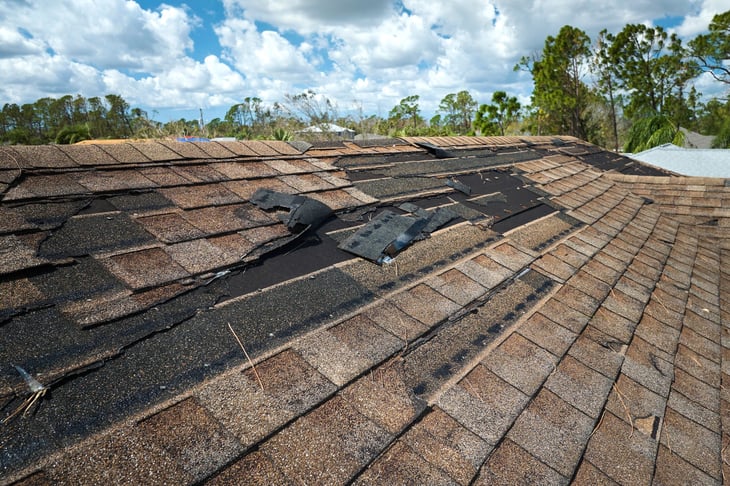
Average cost: $10,000
The average roof has an expected lifespan of 25 to 50 years, depending on the materials used. Before buying a home, find out when its roof was installed and how much useful life is left.
A new roof is a big purchase. The U.S. Department of Energy says the average new roof costs $10,000. Meanwhile, This Old House finds roof replacements can range roughly between $8,500 to $14,300.
The cost of a new roof ranges a lot, depending on the roof’s size, materials and other factors. Price also can vary by roofing company so get several bids when shopping.
You can delay that expense by years, buying yourself time to save for a replacement, by choosing a home with a roof that still has plenty of time to serve.
6. Dying furnace

Average cost: $4,670
Buying and installing a new furnace typically will set you back anywhere from $2,800 to $6,780, according to Architectural Digest.
Homeowners shell out $4,670 on average.
Buying a home with a failing furnace is the worst kind of headache. Because replacing it is so expensive, you’re likely to throw a lot of money into repairs, trying to keep the old beast going.
The good news about replacing your furnace is that it’s likely to be more — perhaps much more — efficient, saving you money on fuel.
The cost of replacing your furnace will come down to the type, size and efficiency of the new one you choose. Bigger, more efficient furnaces are pricier.
7. Sub-par plumbing
Average cost: $6,500
Plumbing problems are another issue that home shoppers want to be aware of — and avoid. Fixing antiquated or troubled plumbing can entail headaches, upheaval and big bills.
The average cost of replacing old plumbing is $6,500, according to a 2024 Forbes guide. The job can cost $60 to $200 per hour for labor alone.
At the high end, re-plumbing can eat up some big money. Replacing plumbing in a 2,000-square-foot house could cost $3,000 to $16,000, including labor and materials.

Add a Comment