



Tax season can be stressful, but making the wrong moves could drain your wallet. Simple filing mistakes, overlooked deductions, or incorrect reporting can lead to hefty penalties or missed refunds.
Whether you’re filing solo or working with a professional, avoiding these tax pitfalls could help keep more money in your pocket.
Pro Tip: Avoid tax season stress by balancing your investments to include tax-advantaged accounts. If you have over $150,000 in savings, consider consulting a professional financial advisor. Zoe Financial offers a free service to match you with a qualified expert in your area.
1. Ignoring tax law changes

Tax rules shift yearly, and failing to stay updated could result in missed deductions or unexpected penalties.
Certain deductions, like student loan interest or medical expenses, have income limits that adjust annually.
Failing to check these updates could result in missing out on valuable tax breaks or, worse, owing more than you anticipated.
Pro Tip: Owing more than you planned can deplete your savings. If you’ve got more than $100,000 in savings, get some advice from a pro. SmartAsset offers a free service that matches you to a vetted, fiduciary advisor in less than 5 minutes.
2. Missing our on deductions and credits

Many taxpayers miss out on deductions and credits they qualify for simply because they don’t know about them.
Tax credits, such as the Earned Income Tax Credit (EITC) or the Child Tax Credit, can significantly reduce your tax bill.
The home office deduction, education credits, and energy-efficient home improvements are often overlooked. Failing to claim these benefits means leaving free money on the table.
Pro Tip: Managing your taxes frees up funds for good financial practices like a rainy-day fund. Earn as much as possible on your emergency savings. For example, SoFi Checking pays a competitive APY on savings, plus a cash bonus for new members who set up direct deposit. (May change without notice.)
Earn up to 4.40% Annual Percentage Yield (APY) on one SoFi Savings account with a 1.10% APY Boost (added to the 3.30% APY as of 10/20/26) for up to 6 months. Open your first SoFi Checking and Savings account between 10/20/26 and 12/31/27, then within 60 days of account opening receive an eligible direct deposit OR $5,000 or more in qualifying deposits. You must maintain eligible direct deposit or $5,000 in qualifying deposits every 31 days to keep the Boost, for up to 6 months. Rates variable, subject to change.
Terms apply at sofi.com/banking. SoFi Bank, N.A. Member FDIC.
3. Filing too early or too late

It might seem smart to file as soon as possible, but doing so before receiving all necessary forms could lead to mistakes and IRS amendments.
Conversely, waiting too long may result in costly penalties, especially if you owe money.
The IRS charges interest on late payments. Even if you file for an extension, you must estimate and pay any owed taxes by the deadline to avoid fees.
Pro Tip: If you’re filing late because of unexpected expenses, consider using a credit card to manage payments without interest. Hands Down One Of The Best Cards Of 2025: Get a 0% intro APR credit card and pay no interest until nearly 2027! Transfer your existing debt, pay it down faster, and enjoy stress-free spending.
4. Underreporting income

Failure to report income from freelance work, rental properties, investments, or side hustles may result in an IRS audit.
The IRS cross-checks reported earnings with employer-submitted tax forms; any discrepancies can raise red flags.
If you earn money from gig work, investments, or self-employment, keep a detailed record of all payments received. Being proactive prevents trouble down the line.
Pro Tip: Boost your income by earning up to $1,000 per month with KashKick for completing simple tasks!
5. Guessing on expenses

Many taxpayers estimate expenses when filing deductions, which can lead to denied claims or IRS scrutiny.
Business owners, self-employed workers, and those with high medical expenses need proper documentation to back up deductions.
For example, the IRS allows deductions for work-related expenses such as travel, meals, or home office use. However, without receipts or mileage logs, these claims could be disqualified.
Pro Tip: Many self-employed workers deduct the expense of their cell phones. Paying more than $15 a month for your cell service? Stop that. Click here to save a bundle.
6. Choosing the wrong filing status

Your filing status determines tax rates and deductions, yet many people unknowingly select the wrong one. For instance, filing as “Single” instead of “Head of Household” could lead to higher taxes and fewer benefits.
Married couples should carefully determine if filing jointly or separately offers more advantages. Some credits, like student loan interest, aren’t available to those who file separately, impacting potential savings.
Pro Tip: Maximizing tax benefits is key, but managing significant debt is equally crucial. If your unsecured debt exceeds $20,000, seek professional guidance. National Debt Relief offers trusted, free advice and assistance.
7. Forgetting to check your return
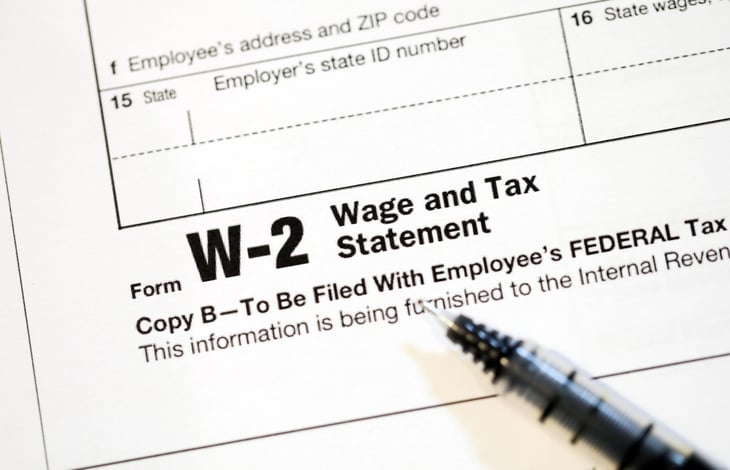
Simple errors—such as incorrect Social Security numbers, math mistakes, or missing signatures—may delay refunds and increase your risk of an audit. Even a small miscalculation could lead to a rejected return or an unexpected IRS notice.
Before submitting, plan and review each entry carefully. Just as you protect yourself from tax errors, plan to protect your family’s security.
Pro Tip: Careful planning extends beyond taxes. Life insurance is essential to safeguard your family’s future. Here's a place to get a free, no-obligation quote.
Avoid these costly tax pitfalls

Even small tax mistakes may lead to lost refunds or unexpected penalties.
You can maximize your savings and minimize risks by staying informed, keeping records, and reviewing your return carefully.
Don’t rush the process—being thorough can mean the difference between a smooth tax season and an expensive headache.
Pro Tip: Shield your wealth from recession impacts by hedging with a secure asset by opening a gold IRA for long-term financial protection.

Add a Comment