



News about products being linked to cancer seems to pop up more than we’d expect, and it’s hard to keep track of it all.
So we compiled a straightforward list of foods that current research associates with higher risks of cancer.
Research published in a journal of the National Cancer Institute in 2019 found that 5.2% of new cancer cases in 2015 were attributable to “suboptimal diets.” In the study, colorectal cancer was most likely to be associated with diet-related cases.
You’ll see that’s true for a number of the foods we’ve written about here, but risk certainly extends beyond the colon. Let’s see which common foods made it on the list and the heightened cancer risks associated with them.
Alcoholic beverages

This food is associated with: Cancers of the oral cavity, pharynx, larynx, esophagus, colorectum (colon or rectum), liver, female breast and possibly the pancreas
The World Health Organization’s International Agency for Research on Cancer (IARC) puts alcohol in the Group 1 category, meaning it is known to be carcinogenic (cancer-causing) to humans.
The World Health Organization says that the relative risk of developing breast cancer increases the more alcohol someone consumes. It increases by about 10% for every increase of 10 grams of alcohol per day in a person’s diet. The global average daily intake, WHO says, is approximately 13 grams of ethanol — about one drink.
Highly processed foods

This food is associated with: Particularly ovarian and brain cancers, and colorectal cancer in men, but also cancer in general
Researchers at Imperial College London’s School of Public Health collected diet information from 200,000 middle-aged adults and monitored their health over 10 years. During that time, they tested for 34 types of cancer. Not only did they find an association between processed foods and developing cancer, but they also found that the foods were associated with a higher chance of dying from cancer.
The researchers defined ultra-processed foods as those that “have been heavily processed during their production, such as fizzy drinks, mass-produced packaged breads, many ready meals and most breakfast cereals.”
For every 10% increase in ultra-processed food in a person’s diet, there was an increased incidence of 2% for cancer overall and a 19% increase for ovarian cancer.
Another study published in The BMJ found that men with more ultra-processed foods in their diet were at 29% higher risk for developing colorectal cancer.
Processed meat

This food is associated with: Colorectal cancer
Processed meats are classified in Group 1 by the IARC. The agency’s research shows that every 50 grams of processed meat eaten daily increases the risk of colorectal cancer by 18%.
The IARC defines processed meats as meat that has been “transformed through salting, curing, fermentation, smoking, or other processes to enhance flavor or improve preservation.” Popular examples include hot dogs, ham, corned beef, sausages, canned meats, meat-based sauces and beef jerky.
Red meat

This food is associated with: Primarily colorectal cancer, but also pancreatic and prostate cancers
Red meat is classified in Group 2A by the IARC, meaning it’s probably carcinogenic to humans. Because research is limited, the WHO doesn’t provide recommendations for how much red meat is safe to consume without increasing cancer risks. But generally, consumption should be “moderate.”

Chinese-style salted fish
This food is associated with: Nasopharynx cancer and possibly stomach cancer
Chinese-style salted fish is a Group 1 carcinogen. It’s prepared by salting, brining, dry-salting, pickle curing or a combination of these procedures. It’s thought to play a “smaller role” in terms of cancer risk, according to the American Society for Nutrition, but any risk is still a risk.
The association is stronger with salted fish consumption earlier in life, not adulthood.

Food additives
It’s not always a distinctive food item that poses risk — unseen ingredients can be just as damaging. Take a peek at product ingredient lists next time you go shopping and see if any of the following made it onto the label.
Mono- and diglycerides of fatty acids
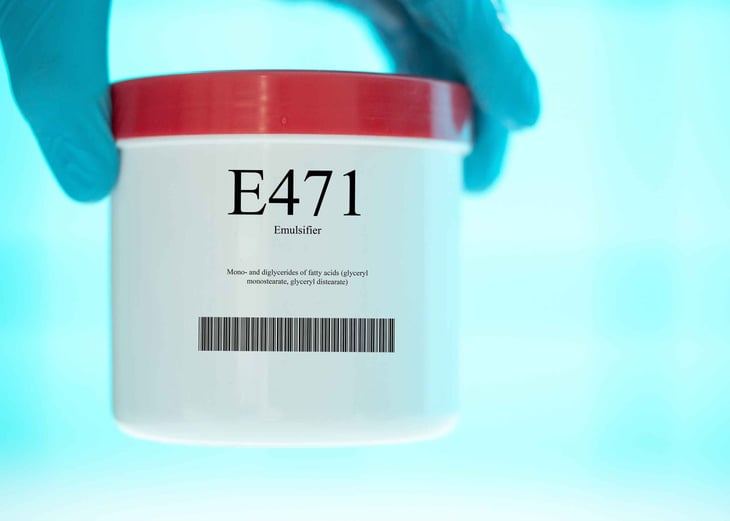
This additive is associated with: Particularly prostate and breast cancers, but also cancer in general
Mono- and diglycerides of fatty acids are emulsifiers, meaning they’re added to help mix the ingredients of an item together. They’re often added to foods like mass-produced biscuits, breads, desserts, margarine and ready-to-eat meals.
A French study published in the scientific journal PLoS Medicine followed 92,000 participants over seven years. Those who consumed the most food with these emulsifiers had a 15% higher risk of developing cancer compared with those in the smallest intake group.
More specifically, they had a 24% higher risk of developing breast cancer and a 46% higher risk of developing prostate cancer.
Carrageenan
This additive is associated with: Breast cancer
Carrageenan is another emulsifier from the aforementioned French study. Participants with the highest intake of foods with this ingredient had a 32% higher risk of developing breast cancer than participants with the lowest intake of this ingredient.
Red dye No. 3

This additive is associated with: Cancer in lab rats
Red dye No. 3 — labeled on ingredient lists as erythrosine — is actually already banned from cosmetics due to its association with a cancer risk in animals. According to Consumer Reports, lab rats that were fed high doses of the dye over long periods developed tumors in their thyroids.
As the name hints, it’s used to give foods a bright red color. It’s often used in sodas, soft candy and gummies, cookies, toaster pastries, baby food, yogurt and more.
The U.S. Food and Drug Administration has banned the use of the dye as of January 2025. Manufacturers who use it in “food and ingested drugs will have until January 15, 2027 or January 18, 2028, respectively, to reformulate their products.”

Add a Comment