


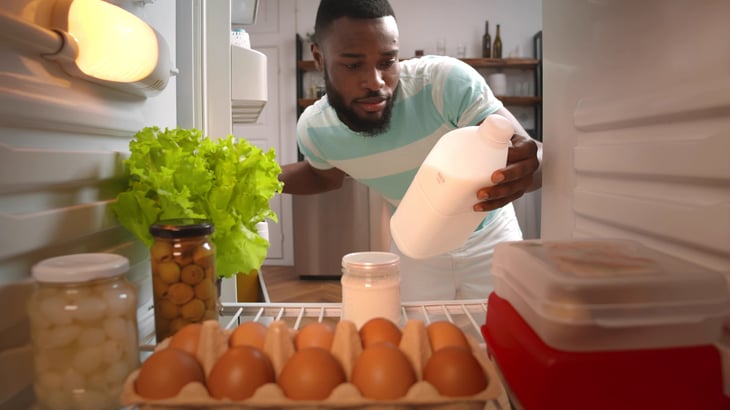
Editor's Note: This story originally appeared on The Penny Hoarder.
When you throw away groceries you never used, you’re doing more than wasting food. You’re throwing money in the trash.
Now, we aren’t saying this to shame you into eating something you don’t want. We’re here to tell you that you can save yourself from hemorrhaging cash by using something you likely already have: your freezer.
To help you save on food, we compiled a list of items you might not realize you can freeze.
1. Herbs
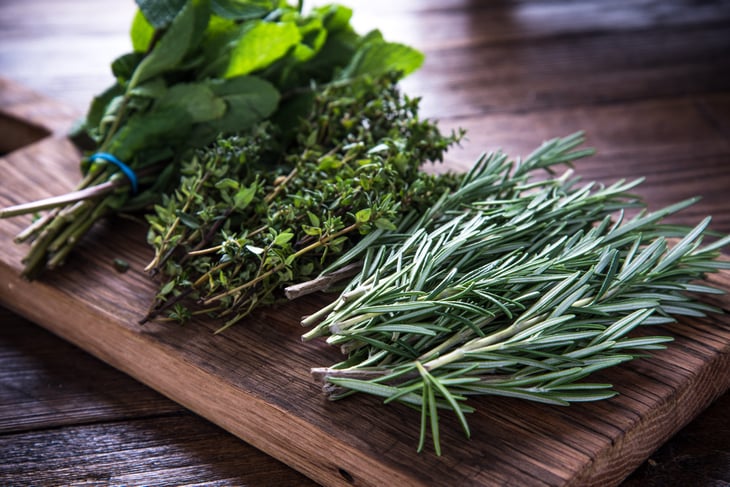
Fresh herbs can seriously elevate a meal. But what do you do when you have a bunch of leftover fresh basil and you’re burnt out on Italian food?
Put whole bunches of herbs in a bag and label it and pop it in the freezer. For herbs you have already chopped, put them in ice cube trays with a little water and put the frozen herb cubes in a labeled bag.

2. Milk
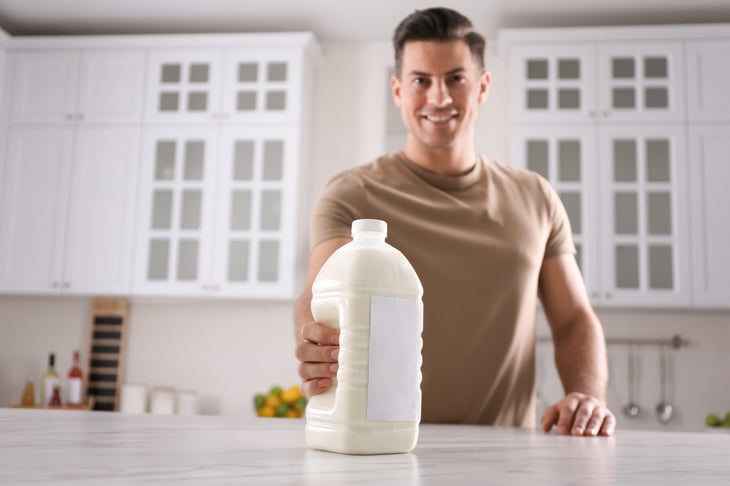
If you were a midwestern kid who drank milk with every meal, you may already know you can freeze milk. But we all definitely know that once milk is bad, it’s bad.
You don’t have to pour it down the drain if you don’t expect to use up the gallon in time. You could also freeze it in an ice cube tray or in the container it comes in.
If you’re freezing it in a container that’s full, you’ll need to take a little out for when the milk expands. Then, just stick it in the fridge to thaw and give it a good shake occasionally, because there may be separation.
If that’s too off-putting for you to drink it, use it in recipes.

3. Eggs
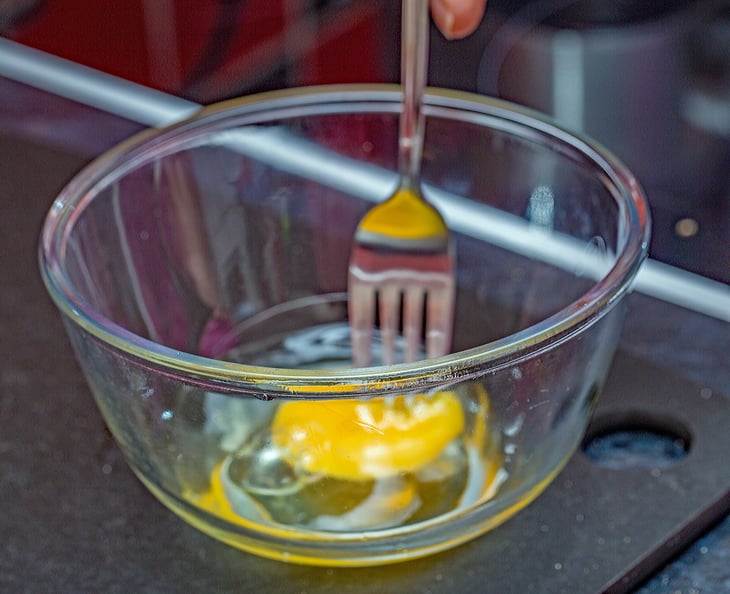
The key tip here is “Don’t freeze the eggs in their shells” (same concept as the milk — liquids expand when frozen). If you freeze them in the shells, they’ll crack and the thawing process will lead to a leaky mess.
However, you can crack them open, whisk them and freeze the result in a container. You could even add some bell pepper and spinach and have a veggie scramble ready to go.
Saving eggs that are about to go bad while also meal prepping your breakfast is a win-win.

4. Butter
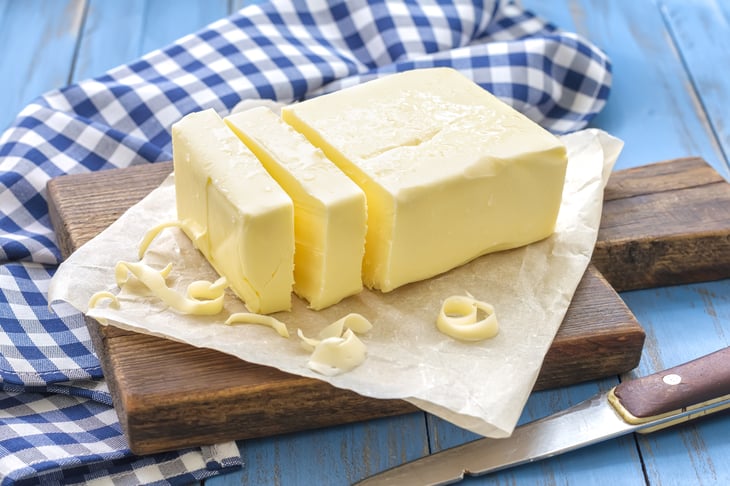
If you forgot about the package of butter that got pushed to the back of the fridge and it’s about to go bad, don’t worry. It is a food you can freeze.
You can freeze whole sticks or individual pats that you can use for smaller recipes. You can freeze salted or unsalted butter — you name it.
Just put it in a freezer bag or an airtight container and look forward to a buttery future.

5. Lemons and Limes
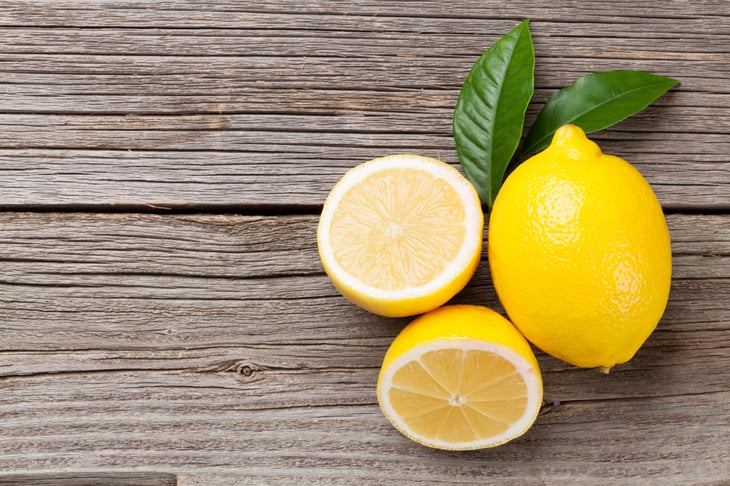
We see lots of frozen fruit in the freezer aisle at the store. This includes berries and tropical fruits like mango and pineapple. But you can actually freeze lemons and limes as well.
If you want to freeze them whole, just give them a good wash and put them in a freezer bag. You can also freeze lemon and lime slices on a baking sheet before putting them in a bag in the freezer.
This works best if you just want to save them for the juice, as they may get mushier.

6. Cheese
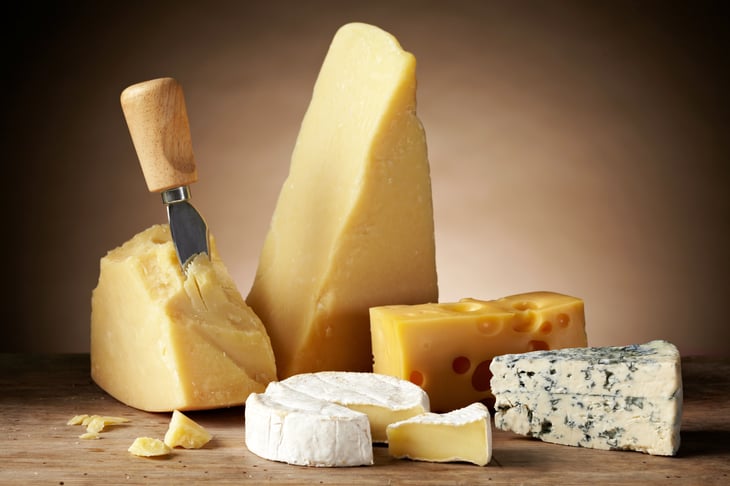
The leftovers from that expensive charcuterie board you made aren’t getting any younger. But whether or not you can freeze cheese largely depends on the type.
Hard and semi-hard cheeses freeze best. That’s cheeses like cheddar, parmesan and mozzarella.
The texture of soft cheeses like brie and blue cheese will go through a less than desirable transformation in the freezer, becoming crumbly or grainy.
Stick your cheese in a freezer bag and push out as much air as possible, then thaw when needed. Plan to use this cheese for cooking just in case you’re not a fan of the texture after thawing.

7. Chicken Broth
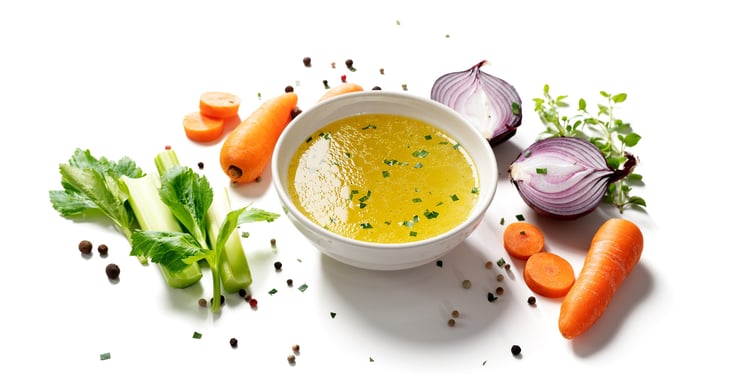
Chicken broth is great for cooking. But often you only need a small amount out of a larger container. If you’re not sure when you’ll need the rest again, put it in the freezer.
You can do so in an ice cube tray for small amounts. Or, put it in a gallon freezer bag or mason jars (remember what we said about liquids freezing — don’t overfill either of these).
Now you can make soup whenever the mood hits, or give a bump of flavor to a dish with one of the broth cubes.

8. Various Sauces

Too much marinara or barbecue sauce after a big family dinner? Well, that’s a food you can freeze, too.
Make sure any sauce that you’ve heated has fully cooled down. Then, put it in a plastic freezer bag or airtight container. You can even portion it out ahead of time so you don’t end up in the same situation you started in: too much sauce.
Then, just thaw it in the fridge as you need it.

9. Bread
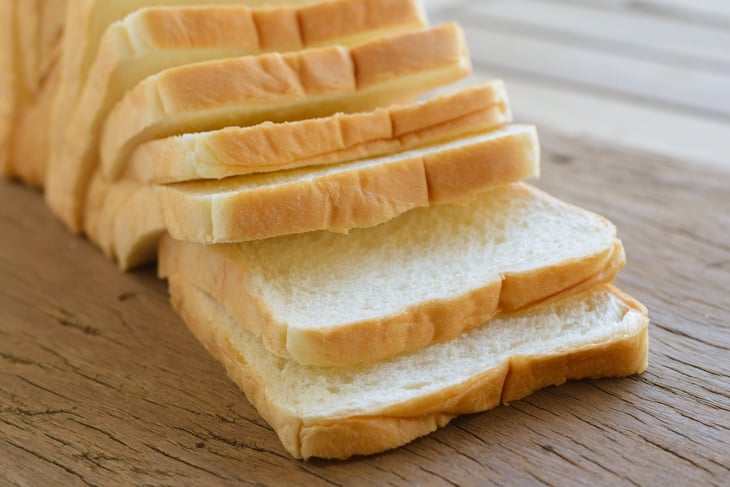
Have you ever been excited to make toast or a sandwich and realized a fuzzy blue spot is staring at you as you pick out a slice of bread? Us, too.
If you’re worried your bread, whether bakery fresh or pre-sliced from the store, is about to go bad, freeze it.
Wrap it tightly in plastic wrap before putting it in a freezer bag. You can take it all out and let it defrost on the counter or in the fridge.
Or, if it’s already sliced or you don’t need very much, take however many slices you need and pop it in the toaster or leave it on the counter. It only takes minutes to thaw.

Are There Foods You Shouldn’t Freeze?
Knowing what food you can freeze is a great way to save money, cut down on food waste and plan your meals better. However, there are some things that just won’t hold up in your icy appliance.
We already mentioned that soft cheese, which includes cottage cheese, shouldn’t go in the freezer.
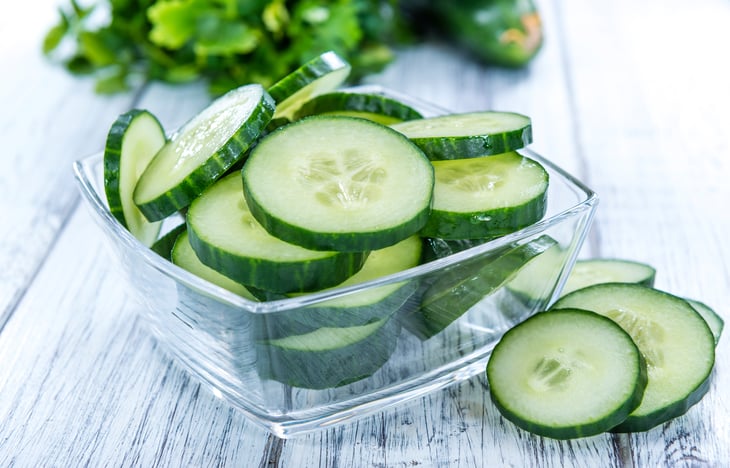
You also shouldn’t freeze most fried foods, hard boiled eggs and produce with high water content like cucumbers and watermelon.


Add a Comment