


Good money habits are the workhorses of financial success. They help build confidence, stability, and peace of mind. From small everyday choices to bigger financial behaviors, each habit helps create long-term security.
The more of these positive habits you practice, the more confident you’ll likely feel about your financial future.
1. Do you track your spending?
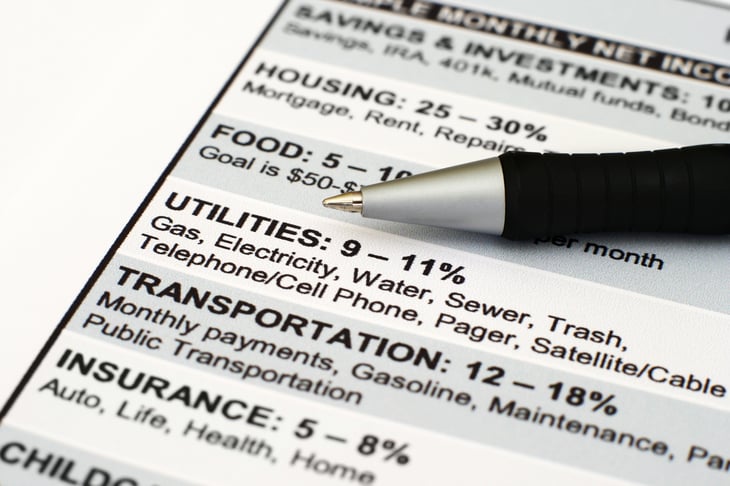
Knowing where your money goes is the first step toward better control.
Whether you use an app, notebook, or spreadsheet, awareness helps you make smarter choices.
2. Do you spend less than you earn?

This is the foundation of every strong financial plan.
Living below your means creates room to save, invest, and handle life’s surprises.
3. Do you pay your bills on time?

Timely payments protect your credit score and avoid costly fees.
It is one of the simplest ways to keep your finances on track.
4. Do you have an emergency fund?
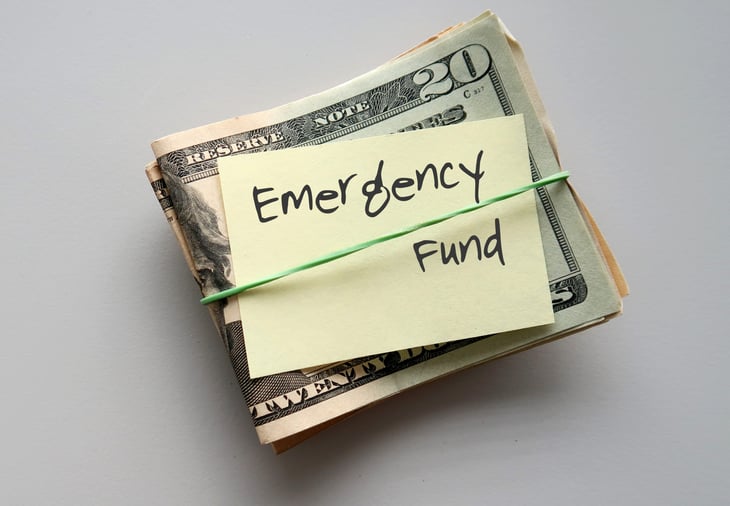
Having cash set aside for unexpected events reduces stress and prevents debt.
Even a small fund makes a big difference.
Earn as much as possible on your emergency savings. For example, SoFi Checking is offering 3.8% interest, plus a potential $300 signup bonus. (May change without notice.)
5. Do you avoid impulse purchases?
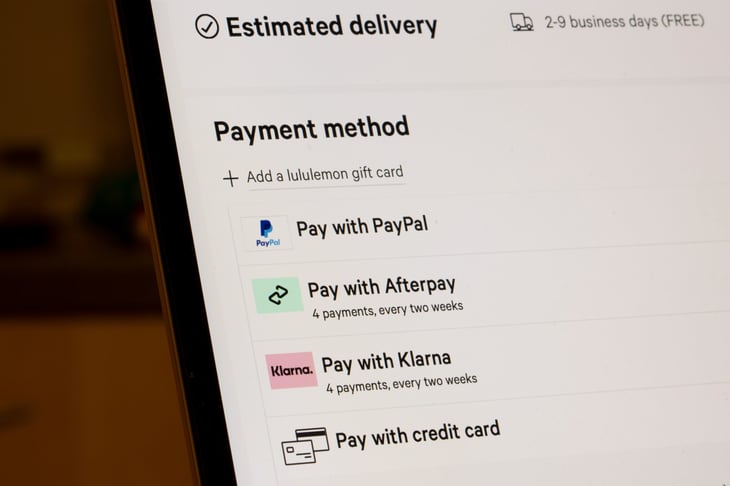
Resisting unplanned spending helps you stick to your goals.
A pause before buying gives you time to make better decisions.
6. Do you use a budget?
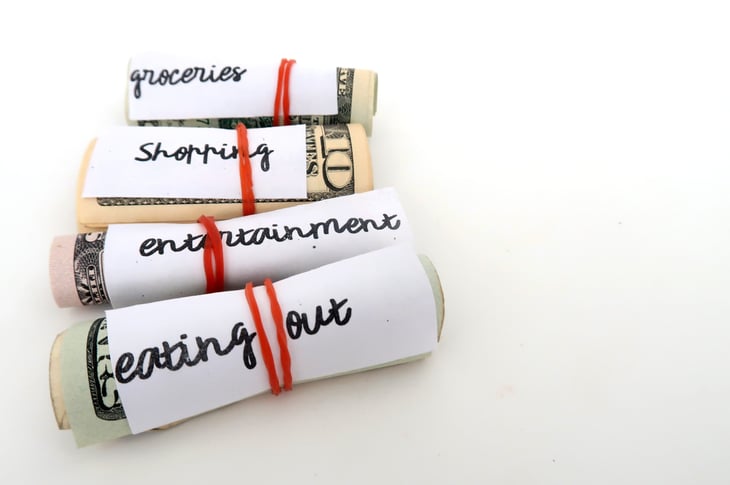
A budget gives your money a job.
It helps you prioritize needs, manage wants, and align your spending with your values.
7. Do you regularly review your finances?

A regular check-in keeps your plans relevant.
It is easier to adjust course when you know where you stand.
8. Do you comparison shop?

Looking for better prices or terms can stretch your dollars further.
A little effort upfront often saves you a lot later.
Slash expenses on dining, travel, eyeglasses, prescriptions and more with AARP — Just $15/year with auto-renewal. Join now and save hundreds.
9. Do you plan meals to avoid food waste?

Meal planning helps you save on groceries and reduces waste.
It also makes weeknight dinners less stressful.
10. Do you save for big expenses in advance?

Setting money aside for known future costs helps you avoid debt and stay in control.
11. Do you pay your credit cards in full monthly?

Avoiding interest by paying your monthly balance protects your wallet and credit score.
12. Do you limit how often you eat out?

Eating at home more often is one of the easiest ways to cut expenses without sacrificing quality or satisfaction.
13. Do you shop with a list?

Lists help you stick to your plan and avoid distractions.
They’re a simple tool that prevents overspending.
14. Do you negotiate bills or ask for better rates?
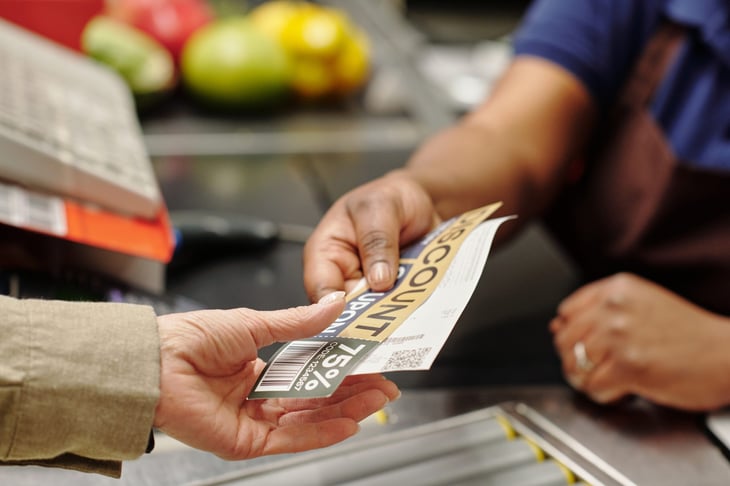
Asking for discounts or better terms can pay off.
Many merchants are willing to adjust rates for loyal or proactive customers.
15. Do you avoid buy now, pay later offers?

Spreading out payments can feel easy, but often leads to overspending.
Saying no helps you stay grounded in what you can afford.
16. Do you contribute to retirement savings?

Saving for retirement early and often helps your money grow over time.
Even small contributions make a big impact.
17. Do you talk openly about money with your partner?

Open conversations build trust and help you work toward shared financial goals.
18. Do you avoid payday loans or quick-cash offers?

High-interest loans can trap you in cycles of debt.
Steering clear protects your financial future.
19. Do you use automatic transfers to save?

Automatic savings make the habit stick.
You are less likely to miss money you never see in your checking account.
20. Do you set financial goals?

Having a goal gives you direction and motivation.
Clear targets make saving feel more rewarding.
21. Do you unsubscribe from tempting shopping emails?

Reducing exposure to marketing can help you spend less.
Out of sight, out of cart.
22. Do you check your credit reports regularly?
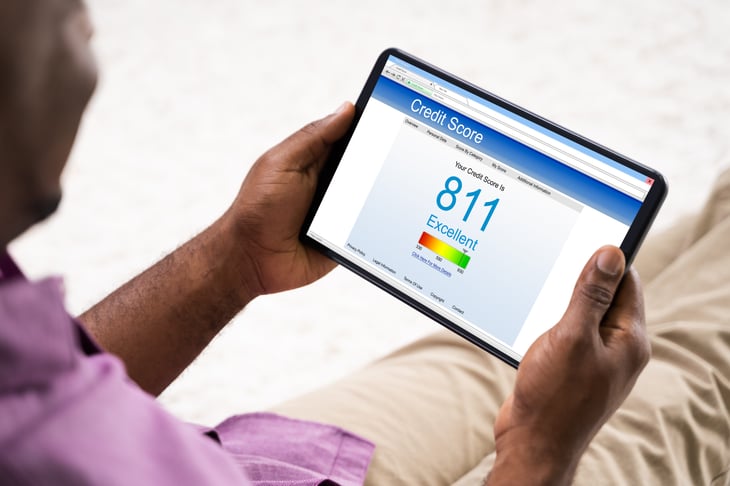
Monitoring your credit helps you spot errors or fraud early.
It is also a chance to understand what lenders see.
23. Do you use cash or debit for everyday purchases?

Using cash or debit helps you stay mindful.
It makes spending feel more tangible and easier to control.
24. Do you avoid lifestyle inflation?

Just because you earn more does not mean you need to spend more.
Keeping expenses stable helps you build savings faster.
25. Do you donate or give intentionally?

Giving with purpose reflects your values.
It is also a habit that builds community and gratitude.
How did you do?

Each yes is a step toward more financial stability and confidence. Keep going.
The more good habits you build, the better prepared you are for whatever comes next.

Add a Comment