


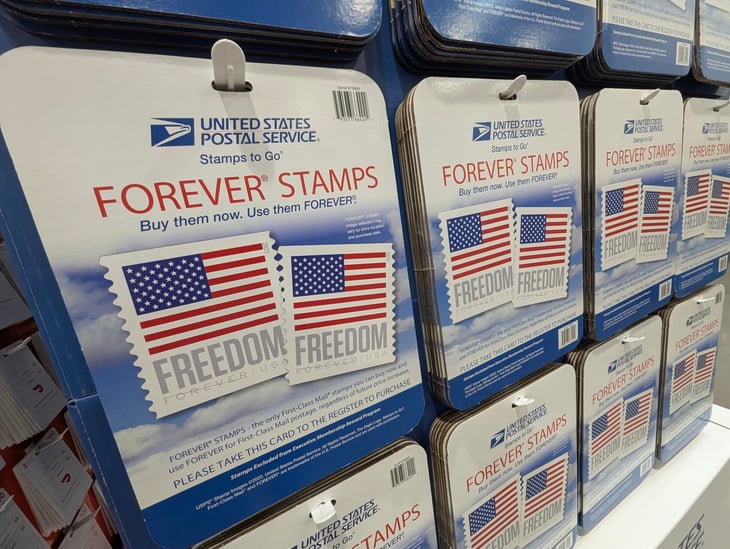
The U.S. Postal Service raised prices on stamps. A first-class Forever stamp went up 4 cents, from 78 cents to 82 cents.
Last year, a first-class Forever stamp went up 5 cents, from 73 cents to 78 cents.
But those are certainly not the first increases.
So how do postage costs when you were born stack up to costs today? Here’s a history of postage prices.
1800s
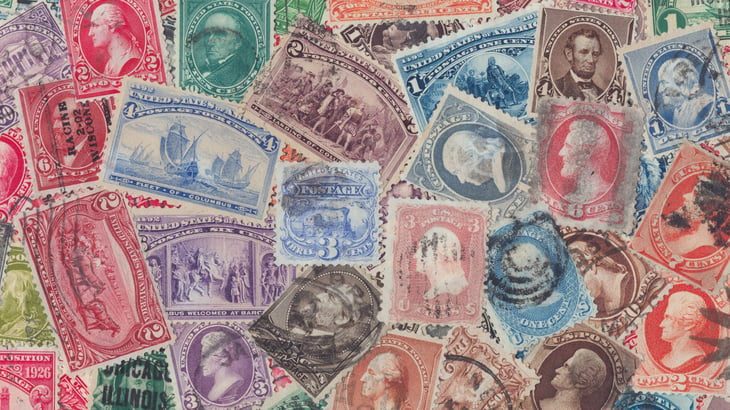
The nation’s postal service got its start in 1775 — as the Post Office of the United States — before the Founding Fathers even signed the Declaration of Independence. Benjamin Franklin oversaw Britain’s colonial mail service and then went on to be the first U.S. Postmaster General.
- Starting in July 1863: Mailing a half-ounce letter cost 3 cents
- October 1883: Mailing a half-ounce letter cost 2 cents
- July 1885: Mailing a 1-ounce letter cost 2 cents
First half of the 1900s
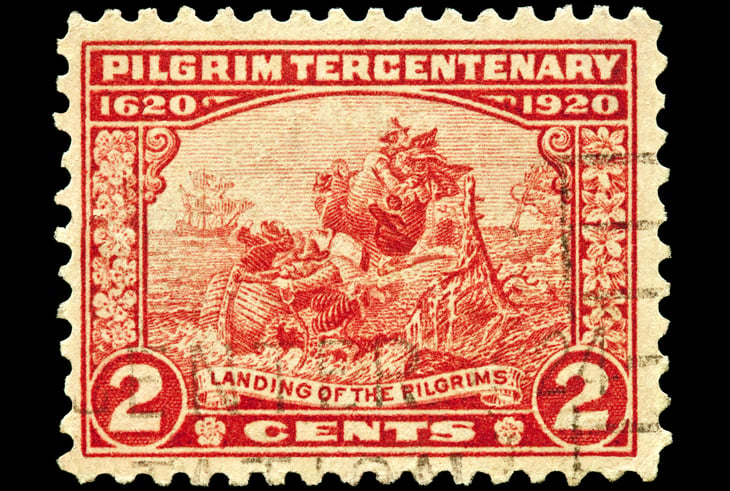
Postage prices went up because of World War I — as did taxes. Despite the increase, the U.S. Post Office was still running a deficit that averaged $65 million annually between the world wars.
- Starting in November 1917: Mailing a 1-ounce letter cost 3 cents (up from 2 cents)
- July 1919: 2 cents
- July 1932: 3 cents
1950s
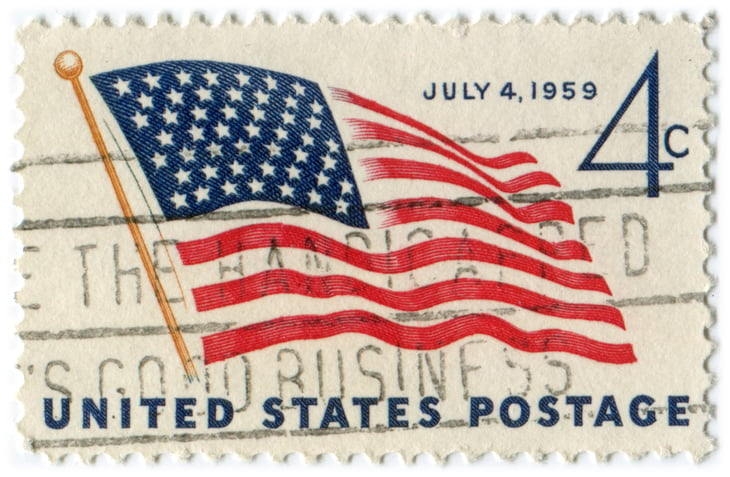
By 1946, the deficit for America’s postal service reached $129 million and then went over $545 million by 1950. Postage rates went up to try to close the gap. While the price of first-class stamps remained steady for much of the decade, a 30% increase in second-class rates was approved in 1951.
- Starting in August 1958: Mailing a 1-ounce letter cost 4 cents (up from 3 cents)
1960s
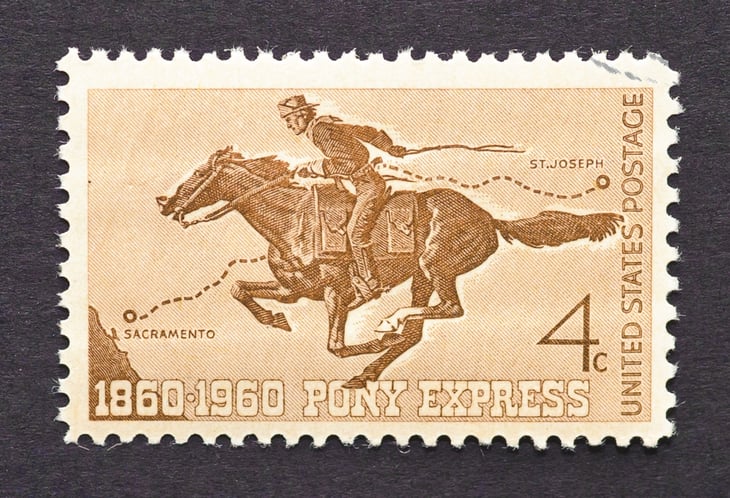
In an effort to make up the postal deficit, first-class postage rates were scheduled to increase in 1958, then 1963 and 1968. Meanwhile, second-class postage rate increases for reading material and advertising went into effect in 1961 and 1965.
- Starting in January 1963: Mailing a 1-ounce letter cost 5 cents (up from 4 cents)
- January 1968: 6 cents

1970s
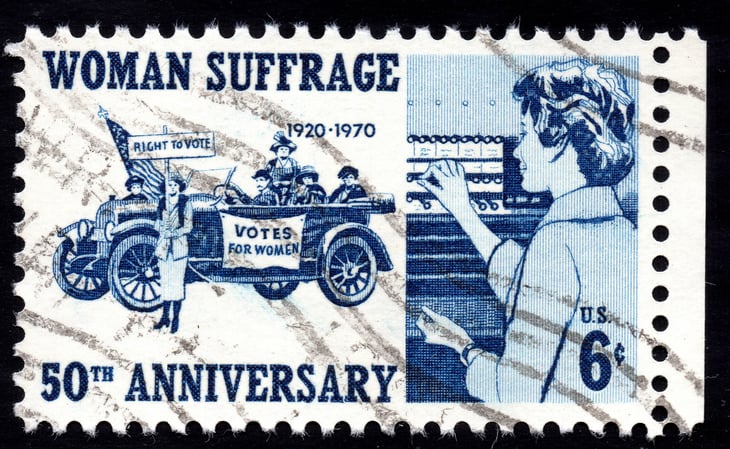
Previous hikes didn’t stop the postal deficit from deepening through the ’60s. This prompted Congress to pass the Postal Reorganization Act in 1970, making the U.S. Postal Service an independent, self-funded government agency.
- Starting in May 1971: Mailing a 1-ounce letter cost 8 cents (up from 6 cents)
- March 1974: 10 cents
- December 1975: 13 cents
- May 1978: 15 cents
1980s
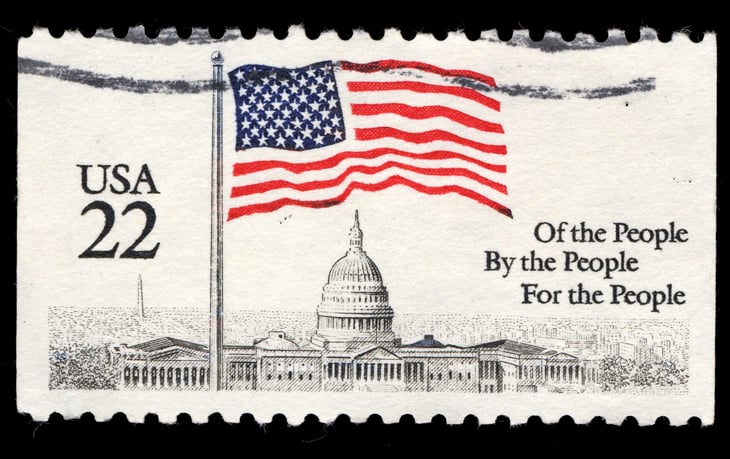
This is the first decade to see rate increases more than once in a year. What’s more, with the exception of one year, the increases meant that postage on periodicals alone covered more than the USPS’s handling costs in the 1980s and ’90s.
- Starting in March 1981: Mailing a 1-ounce letter cost 18 cents (up from 15 cents)
- November 1981: 20 cents
- February 1985: 22 cents
- April 1988: 25 cents
1990s
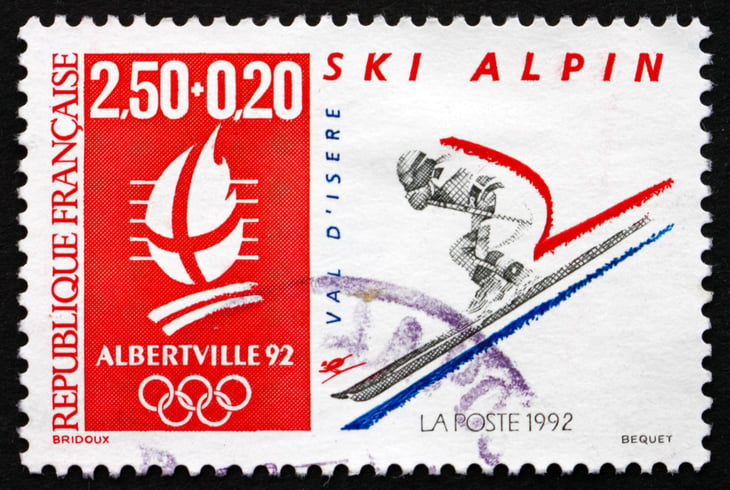
Through the ’80s and ’90s, the USPS began adopting new technologies, such as sorting machines, that helped it keep up with growing demand.
- Starting in February 1991: Mailing a 1-ounce letter cost 29 cents (up from 25 cents)
- January 1995: 32 cents
- January 1999: 33 cents
2000s
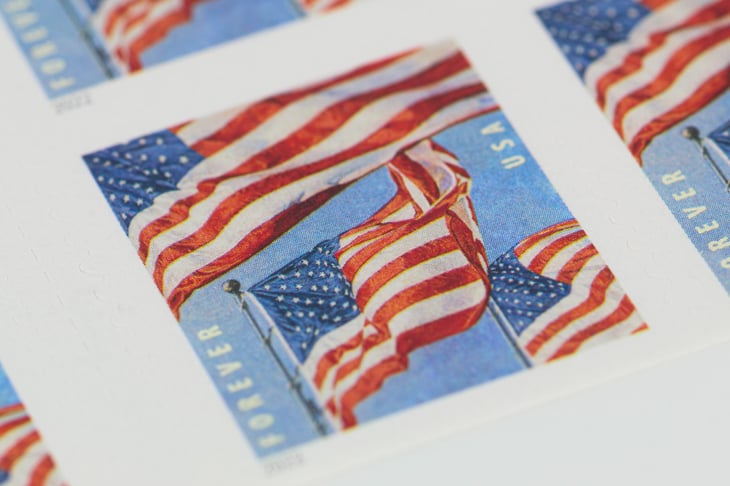
After the terrorist attacks of Sept. 11, 2001, the USPS struggled with declining mail volume. In 2006, the Postal Accountability and Enhancement Act gave the service greater flexibility in setting rates, and the country has seen a steady series of increases in stamp prices since then.
The COVID-19 pandemic put the institution’s finances in danger once again, due in part to the economic recession. Today, debt and retirement fund obligations continue to put pressure on the USPS.
- Starting in January 2001: Mailing a 1-ounce letter cost 34 cents (up from 33 cents)
- June 2002: 37 cents
- January 2006: 39 cents
- May 2007: 41 cents
- May 2008: 42 cents
- May 2009: 44 cents
- January 2012: 45 cents
- January 2013: 46 cents
- January 2014: 49 cents
- April 2016: 47 cents
- January 2017: 49 cents
- January 2018: 50 cents
- January 2019: 55 cents
- August 2021: 58 cents
- July 2022: 60 cents
- January 2023: 63 cents
- July 2023: 66 cents
- January 2024: 68 cents
- July 2024: 73 cents
- July 2025: 78 cents
- July 2026: 82 cents

Add a Comment