


Recession risks are back in the spotlight.
Peter Berezin, chief global strategist at BCA Research, recently told MarketWatch that he was raising the odds of a U.S. downturn to 75%, citing proposed tax cuts, tariffs, and spending reductions under a Trump administration.
He said that while some sectors may benefit temporarily from lower taxes and reduced regulation, trade wars and fiscal uncertainty could hit Americans hard.
Here are five smart moves to prepare your finances and weather a potential storm.
1. Build or Boost Your Emergency Fund
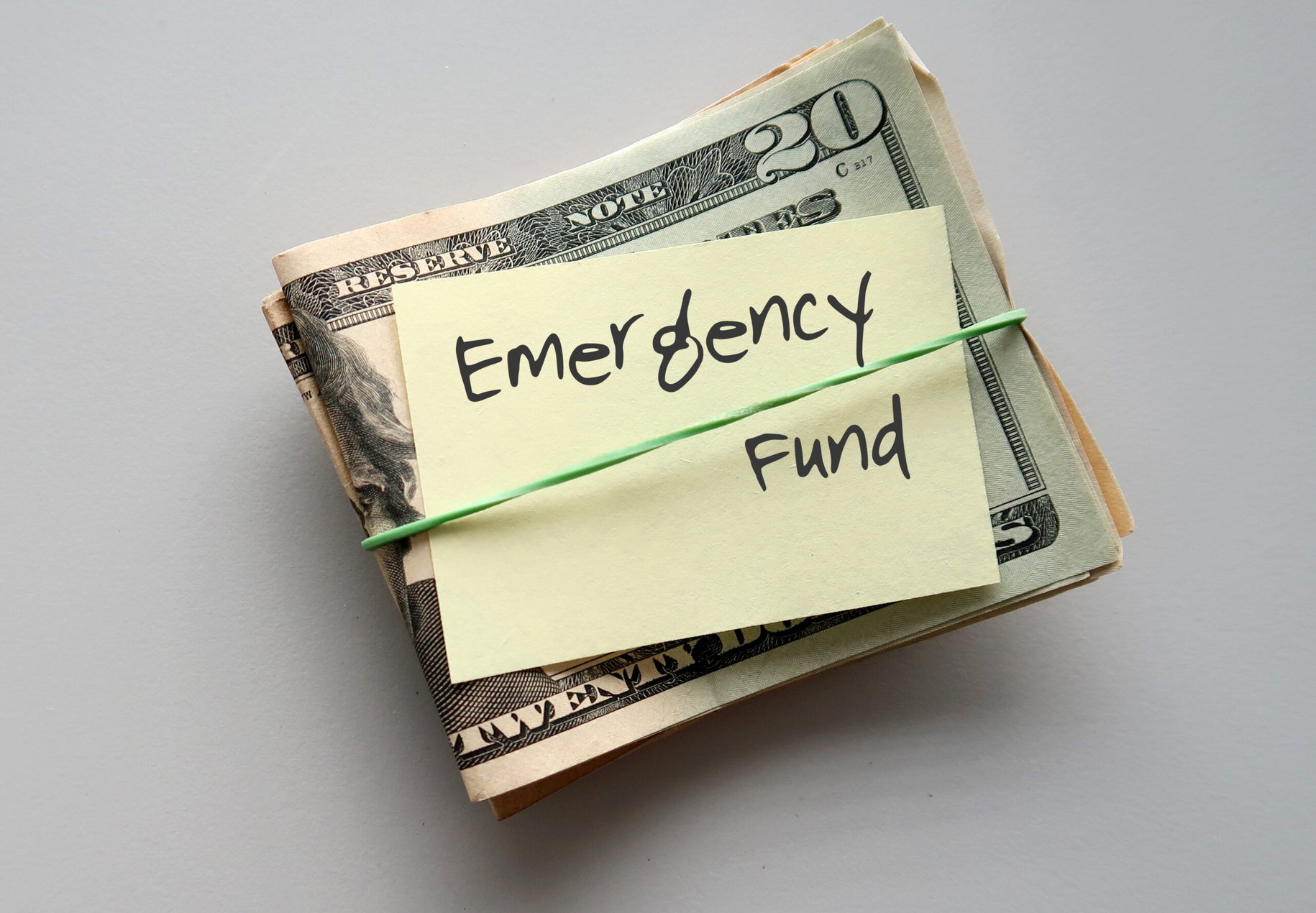
Having a robust emergency fund is always important, but it’s especially critical during economic uncertainty. Aim to save three to six months of living expenses—or even more if you work in an industry sensitive to downturns.
Consider automating deposits into a high-yield savings account so your money can grow while staying accessible. A solid safety net ensures you won’t rely on high-interest credit cards or liquidate investments during tough times.
Pro tip: Earn as much as possible on your emergency savings. SoFi Checking pays a competitive APY on savings, plus a cash bonus for new members who set up direct deposit.
Earn up to 4.40% Annual Percentage Yield (APY) on one SoFi Savings account with a 1.10% APY Boost (added to the 3.30% APY as of 10/20/26) for up to 6 months. Open your first SoFi Checking and Savings account between 10/20/26 and 12/31/27, then within 60 days of account opening receive an eligible direct deposit OR $5,000 or more in qualifying deposits. You must maintain eligible direct deposit or $5,000 in qualifying deposits every 31 days to keep the Boost, for up to 6 months. Rates variable, subject to change.
Terms apply at sofi.com/banking. SoFi Bank, N.A. Member FDIC.
2. Diversify Your Portfolio

Recessions can shake the stock market, but pulling all your money out of equities could hurt your long-term financial health. Instead, focus on a well-diversified portfolio with stocks, bonds, and other assets to spread your risk.
If you’re holding cash, consider dollar-cost averaging it into the market over time to balance risk and take advantage of potential opportunities. Fixed income, such as bonds, is often a reliable hedge during downturns.
Pro tip: Another investment to consider is gold. For thousands of years, gold has been an effective hedge against uncertainty and inflation. Learn more by visiting Preserve Gold
3. Prioritize Investment Income Over Selling Assets

When money gets tight, selling off investments is tempting, but this can lock in losses and harm your long-term financial stability. Instead, focus on pulling income from dividends, interest, or other investment earnings.
Let your assets compound and grow during the recession, positioning yourself for a more substantial recovery when the economy rebounds. The key is patience and discipline during market volatility.
Pro tip: If you’ve got more than $100,000 in savings, this might be a good time to get some advice from a pro. SmartAsset offers a free service that will match you to a vetted, fiduciary advisor in less than 5 minutes. Since most advisors offer free initial consultations, you’ve got nothing to lose.
4. Explore Guaranteed Income Products

Options like annuities or dividend-paying stocks can offer predictable income, providing a buffer against economic uncertainty. Products pegged to indexes, like the S&P 500, can provide growth potential while ensuring steady payouts.
A sustainable withdrawal strategy—like the 4% rule—can help retirees navigate tough financial times without depleting their savings. Speak with a financial advisor to identify the best fit for your goals.
Pro Tip: If you’re over 50, get more information about annuities here
5. Lower Your Expenses Permanently

Reducing unnecessary expenses is one of the easiest ways to prepare for a financial storm. Cancel unused subscriptions, cut back on dining out, and shop smarter.
Trimming your budget now can free up resources to bolster your savings or investments. Small changes—like buying in bulk or choosing generic brands—can add up over time without requiring major lifestyle adjustments.
Pro tip: When shopping online, get 3-15% cash back with easy-to-use rebate services like Capital One Shopping or Rakuten.
Position Yourself for a Resilient Financial Future

Preparing for a potential recession doesn’t mean panicking—it means planning. By building a safety net, maintaining a diversified portfolio, and keeping your expenses in check, you can stay ahead of the curve and minimize the impact of economic uncertainty.
Take steps today to secure your financial future so you can confidently weather any storm.

Add a Comment