


Clean eating doesn’t have to drain your bank account. The key is planning, smart shopping, and making the most of the ingredients you purchase.
These strategies can help you maintain a healthy lifestyle without the premium price tag that often comes with clean eating. By implementing these tips, you could save hundreds of dollars each month while still enjoying delicious, nutrient-dense meals.
Saving money on food is just the start — trimming other everyday expenses keeps your budget even healthier.
Pro Tip: Save up to $600 on your car insurance with this car insurance comparison site.
1. Plan your meals around seasonal produce
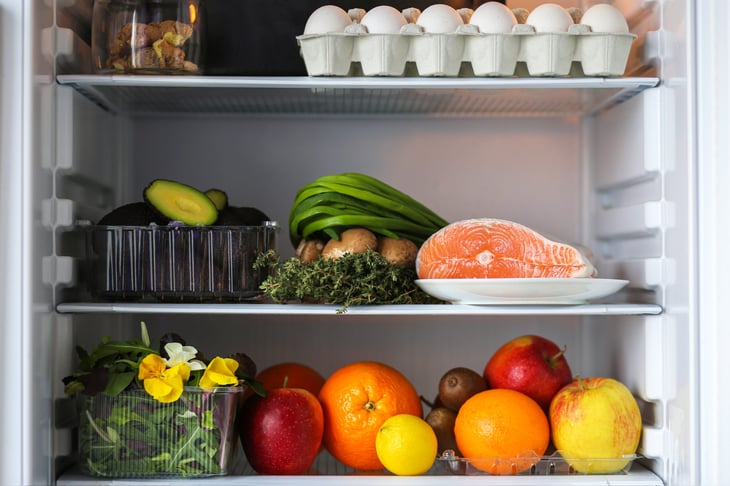
Seasonal fruits and vegetables are typically more abundant, which reduces their cost compared to out-of-season options. Create a meal plan that capitalizes on your area’s current season. For example, embrace squash and root vegetables in fall, berries in summer, and citrus in winter.
Not only can you save money, but seasonal produce often has superior flavor and nutritional value since it hasn’t traveled as far to reach your plate.
Consider joining a CSA (Community Supported Agriculture) program or visiting farmers’ markets near closing when vendors are more likely to offer discounts on remaining produce.
Pro Tip: Looking for a way to earn extra income with barely any effort? Over $55,000 is paid daily to this company's members who take surveys in their free time.
2. Master the art of batch cooking

Cooking in large batches saves both time and money. Dedicate a few hours each weekend to prepare multiple meals at once. Focus on versatile bases like brown rice, quinoa, roasted vegetables, and lean proteins that can be mixed and matched throughout the week.
The economy of scale works in your favor here – buying ingredients in larger quantities often reduces the per-meal cost. Additionally, having ready-made healthy options in your refrigerator dramatically decreases the temptation to order takeout when you’re tired or hungry, a habit that can quickly add up to hundreds of dollars per month.
Pro Tip: Root out overpriced services. Paying more than $15 a month for your cell service? Stop that. Click here to save a bundle.
3. Invest in proper storage containers

While spending money to save money may seem counterintuitive, high-quality food storage containers can save you hundreds over time. Glass containers with airtight lids extend the freshness of your smoothies, vitamin mixes, and prepped ingredients, reducing food waste.
Organize your containers by meal or day of the week to streamline your routine. Consider using masking tape to label containers with contents and dates.
When food stays fresh longer and is easily accessible, you’re less likely to forget about it in the back of the refrigerator, where it might spoil before being consumed. This principle of wise investment applies to larger assets, too.
Pro Tip: Americans have $30 trillion in untapped home equity, yet most can’t access it without taking on debt. Hometap lets you unlock up to $600K of your wealth without monthly payments or personal liability.
4. Embrace plant-based protein alternatives

Animal proteins are typically the most expensive components of any meal. Incorporating more plant-based proteins like lentils, chickpeas, and beans can cut your grocery bill dramatically – sometimes by as much as 50% compared to meals centered around meat.
Try designating 3-4 days per week as plant-based days. Prepare a large batch of lentil soup, chickpea curry, or bean chili that can serve multiple meals. Plant proteins cost less and tend to have a longer shelf life than animal proteins, reducing the frequency of grocery trips.
Just as alternative proteins can enhance your financial and physical health, alternative rewards on everyday purchases can boost your financial portfolio.
Pro Tip: When using a credit card, select one that offers valuable rewards. Get a $200 bonus in bitcoin or 50+ other cryptos after spending $3000 in the first 90 days. Enjoy up to 4% instant rewards with no annual fee or foreign transaction fees. Start building your portfolio just through everyday purchases.
5. Create a smart shopping strategy

Develop a methodical approach to grocery shopping that maximizes savings. Start by taking inventory of what you already have before making a shopping list. Shop with a specific meal plan in mind to avoid impulse purchases. Consider buying certain clean-eating staples like nuts, seeds, and whole grains from bulk bins where you can purchase exactly the amount you need.
Compare unit prices rather than package prices to identify the best deals. Many grocery stores now offer apps with digital coupons specifically for fresh, whole foods. These tools can save you $20-$30 per shopping trip. Being strategic about shopping is similar to managing other financial aspects of your life.
Pro Tip: If you have more than $20,000 in unsecured debt, get some professional help. National Debt Relief is a trusted source for free advice and assistance.
6. Repurpose leftovers creatively

Combat food waste by planning for ingredient crossover between meals. For example, roasted chicken can become the protein in a salad one day, the base for a soup the next, and the filling for wraps. Vegetable scraps can be collected in a freezer bag and later used to make homemade vegetable stock.
This approach, sometimes called “cook once, eat twice,” stretches your food budget significantly. By thinking of ingredients as having multiple purposes, you’ll throw away less food and save approximately $40 per month that would otherwise end up in the trash. This mindset of maximizing value and stability also applies to other areas of financial planning.
Pro Tip: Gold is a time-tested way to add stability to your finances. Open a gold IRA and help protect your savings from inflation, volatility, and future uncertaint
7. Freeze strategically for future meals
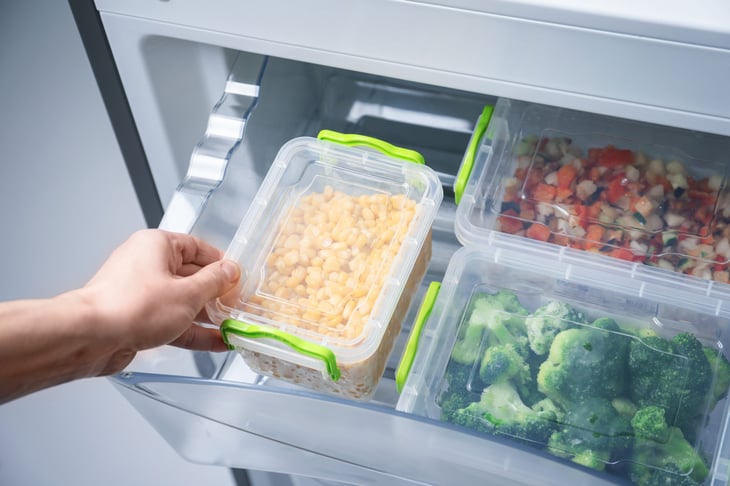
Your freezer is one of the most valuable tools for budget-friendly clean eating. When you find organic produce or lean proteins on sale, buy extra and freeze portions for later use. Prepare soups, stews, and casseroles in double batches, enjoying one now and freezing the other for busy weeks.
Many clean-eating staples freeze surprisingly well, including cooked whole grains, homemade sauces, and even portions of smoothie ingredients. By stocking your freezer thoughtfully, you create a buffer against unplanned takeout expenses and capitalize on sale prices when they occur.
This forward-thinking approach to meal planning mirrors how expert financial planning can help secure your future.
Pro Tip: Treat yourself on dining out with a discount: Slash expenses on dining, and more with AARP — Just $15/year with auto-renewal. Anyone over 18 can join. Join now and save hundreds.

Add a Comment