



Without a payroll department handling withholdings, you’re responsible for tracking income, calculating quarterly payments, and identifying all eligible deductions.
Making even one of these critical tax mistakes can lead to costly penalties, audit flags, and missing out on substantial tax breaks that could dramatically lower your tax bill.
Pro Tip: Navigating complex self-employment taxes can be overwhelming. If you’ve got more than $100,000 in savings, get personalized financial guidance from a qualified professional. SmartAsset offers a free service that matches you to a vetted, fiduciary advisor in less than 5 minutes.
1. Skipping quarterly estimated tax payments
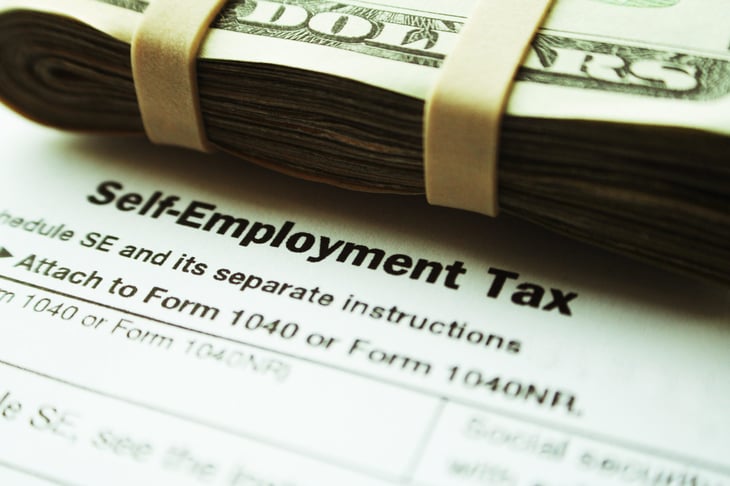
Unlike traditional employees with taxes automatically withheld from each paycheck, self-employed individuals must make estimated tax payments four times yearly.
The IRS expects payments in April, June, September, and January of the following year.
Missing these deadlines can result in significant underpayment penalties, even if you pay the full amount owed by the annual tax filing deadline. The penalty typically runs at 0.5% of the unpaid tax per month, plus interest, and can add up quickly over a year.
Pro Tip: Managing cash flow for quarterly tax payments often requires emergency reserves. Earn as much as possible on your emergency savings. For example, SoFi Checking is offering 3.8% interest, plus a potential $300 signup bonus. (May change without notice.)
2. Mixing personal and business finances

Using the same bank account for business and personal expenses creates a bookkeeping nightmare, making proper tax preparation nearly impossible.
Without clear separation, legitimate business deductions become challenging to identify and substantiate. Opening dedicated business accounts isn’t just good practice—it provides a clear audit trail that helps demonstrate the business purpose of expenses.
This separation also makes it much easier to track business income, prepare financial statements, and identify tax deductions that might otherwise be overlooked.
Pro Tip: Boost your buying power: Get 0% intro APR for purchases and balance transfers for 15 months Plus, earn a bonus of 20,000 miles once you spend $500 on purchases within 3 months from account opening.
3. Not deducting home office expenses

Many self-employed people work from home but fail to claim the home office deduction because they fear it will trigger an audit.
This misconception eventually costs them thousands in legitimate tax breaks. To qualify, you must use part of your home regularly and exclusively for business.
You can deduct this space using either the simplified method ($5 per square foot, up to 300 square feet) or the regular method, which allows you to deduct a percentage of actual expenses including mortgage interest, insurance, utilities, and repairs based on the percentage of your home used for business.
Pro Tip: Home-based business owners often have equity they can leverage. A home equity loan is a great way to access fast cash for business expenses. Take a minute right now and see how much you can get, how fast you can get it and how little you'll pay.
4. Forgetting to track vehicle expenses

Business-related driving is fully deductible for self-employed taxpayers, yet many fail to maintain proper mileage logs or track vehicle expenses.
This oversight leaves money that could substantially reduce your tax liability. You can choose between two methods: the standard mileage rate (65.5 cents per mile in 2023) or actual expenses (gas, maintenance, insurance, and depreciation).
Whichever method you choose, you must keep detailed records of business trips, including dates, destinations, purpose, and mileage to substantiate your deduction if questioned.
Pro Tip: Avoiding large vehicle expenses is just one way to save money as a business owner. Use a car insurance shopping site and find cheaper insurance for your business vehicle. You might save up to $600/yr while maintaining proper coverage.
5. Misclassifying workers
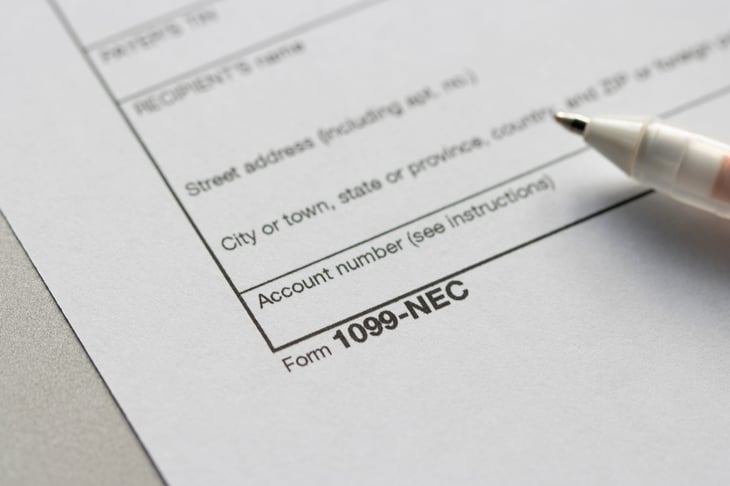
Hiring help without understanding worker classification rules can create serious tax problems. Incorrectly treating employees as independent contractors may seem cost-effective but can lead to severe penalties if the IRS disagrees with your classification.
The distinction hinges on control and independence factors. If you control what work is done and how it’s performed, the worker is likely an employee.
For contractors, you control only the result of the work. Misclassification penalties can include back taxes, interest, and additional fines of up to 100% of the employment taxes owed.
Pro Tip: Growing businesses often need extra cash for proper employee classifications and payroll taxes. Need cash, debt relief, or help funding business expenses? Find the best options tailored to your needs—fast, easy, and secure. Explore financial solutions here.
6. Ignoring retirement savings opportunities

Without employer-sponsored retirement plans, self-employed individuals must create their own retirement savings strategy.
Many miss out on tax-advantaged options specifically designed for self-employed professionals.
SEP IRAs, Solo 401(k)s, and SIMPLE IRAs offer higher contribution limits than traditional IRAs, allowing you to shelter more income from taxes. In 2023, a Solo 401(k) permits contributions up to $66,000 for those under 50, combining both “employer” and “employee” contributions that you can make as a self-employed person.
Pro Tip: Diversifying retirement assets is crucial for self-employed people without traditional pensions. Protect your wealth with an asset that can hedge against the damaging effects of a recession and financial calamity by opening a gold IRA.
7. Under-reporting income

The gig economy has complicated income tracking, with payments often coming from multiple sources throughout the year. Failing to report all income, including cash payments, is not just a mistake—it’s a potential criminal offense.
The IRS receives information returns (like 1099-NECs) from companies that paid you, and their systems flag discrepancies between reported payments and your tax return.
With increased focus on tax compliance for self-employed individuals, under-reporting even small amounts can trigger expensive audits and penalties.
Pro Tip: Looking for legitimate ways to supplement your self-employment income that you can properly report to the IRS? Over $55,000 paid daily to this company's members who take surveys in their free time between client projects.
8. Missing out on health insurance deductions
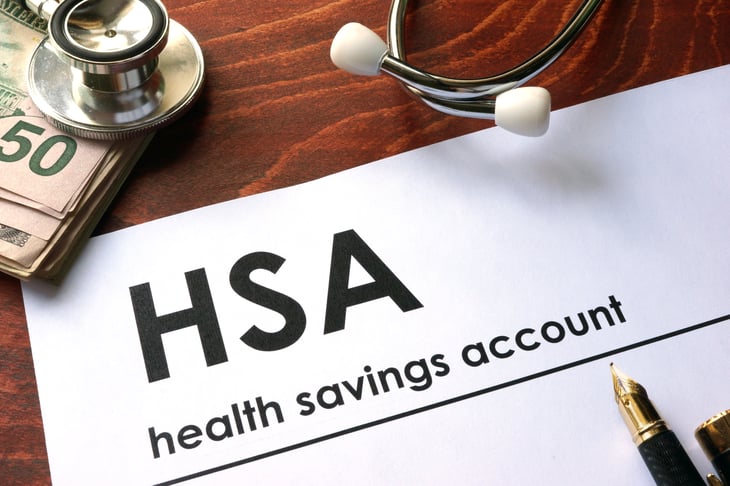
Many self-employed taxpayers don’t realize they can deduct 100% of their health insurance premiums, including coverage for spouses and dependents, as an adjustment to income rather than an itemized deduction.
This valuable deduction applies to medical, dental, and qualified long-term care insurance.
The only limitation is that the deduction cannot exceed your net self-employment income for the year, and it’s not available if you’re eligible for coverage through your spouse’s employer plan.
Pro Tip: Self-employed individuals over 50 can benefit from membership discounts. Slash expenses on dining, travel, eyeglasses, prescriptions and more with AARP – Just $15/year with auto-renewal. Anyone over 18 can join. Join now and save hundreds.
9. Overlooking business expense deductions

The IRS permits deductions for ordinary and necessary business expenses, but many self-employed individuals miss legitimate write-offs like professional development, industry subscriptions, and membership dues.
Other frequently missed deductions include business insurance premiums, bank fees for business accounts, and internet and phone expenses allocated to business use. Even small deductions add up—a $1,000 deduction can save $370 in taxes for someone in the 37% tax bracket.
Pro Tip: Communication expenses are essential deductions for self-employed professionals. Paying more than $15 a month for your cell service that you use for business calls? Stop that. Click here to save a bundle.
10. Going it alone without professional help

Tax laws affecting self-employed individuals change frequently, and staying current while running a business is challenging. Attempting to navigate complex tax situations without professional guidance often leads to costly mistakes.
A qualified tax professional specializing in self-employment taxation can identify deductions you might miss, help implement tax planning strategies throughout the year, and ensure compliance with changing regulations.
Their expertise typically pays for itself in tax savings and peace of mind.
Pro Tip: Smart self-employed professionals know when to get help. If you’ve got more than $100,000 in business and personal savings, get advice from a qualified professional. SmartAsset connects you with vetted financial advisors who can provide tax-saving strategies.
Smart tax planning pays dividends

Managing your tax situation requires organization, diligence, and awareness of the special rules that apply to self-employed taxpayers.
Proper record-keeping systems, regular financial reviews, and professional guidance can transform tax time from a stressful scramble into a strategic opportunity to reduce your tax burden.
Avoiding common tax blunders minimizes costly penalties and maximizes deductions, significantly lowering your tax bill and boosting both your business’s bottom line and personal income.
Pro Tip: Boost your investment income with guidance that many new investors struggle to find. EchoTrade can seamlessly copy the trades of top wealth managers, reducing your investment risks and maximizing returns.

Add a Comment