


Owning a car means dealing with maintenance, repairs, and surprise breakdowns that can cost thousands of dollars. But what if you could avoid those hefty bills?
Many drivers don’t realize that free repair services exist—you just have to know where to look. From tapping into special programs to leveraging community resources, here are five smart ways to get car repairs at no cost.
1. Get help from car repair assistance programs

If you’re struggling to afford repairs, several programs offer financial aid to help get your car back on the road. Nonprofits, charities, and government assistance programs provide grants or low-cost repairs for those who qualify.
The Temporary Assistance for Needy Families (TANF) program sometimes covers vehicle repairs for eligible applicants. Modest Needs offers one-time emergency grants, which can include car fixes.
Military veterans may qualify for vehicle repair assistance through Operation Homefront and other veterans’ organizations.
Even local churches and charities sometimes provide repair assistance, so it’s worth checking community resources in your area.
Pro Tip: Don’t overpay for car insurance—use a to compare rates and find a policy that fits your budget. You could save up to $600/year!
2. Let automotive students fix your car

Trade schools and community colleges with auto repair programs are often looking for vehicles to use in training exercises. Under the supervision of experienced instructors, students get hands-on experience by working on real cars.
In many cases, these repairs are done for free or at an extremely low cost. While the work may take longer than a traditional repair shop, the quality is often solid since students are closely monitored.
If you’re not in a rush, calling local vocational schools to see if they need practice vehicles could save you hundreds on labor costs.
3. Take advantage of free auto shop services
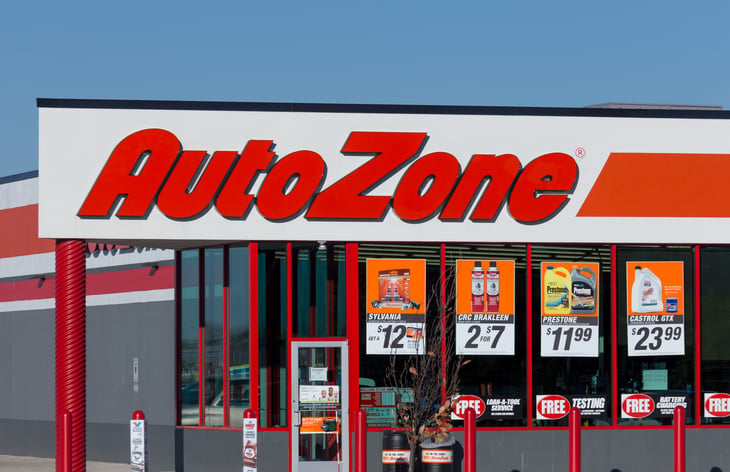
You don’t always have to pay for basic car maintenance. Many national auto parts retailers provide free services to customers, including battery testing, engine diagnostics, windshield wiper installation, and alignment checks.
Stores like AutoZone and Pep Boys offer these no-cost services as a way to bring in customers, but there’s no obligation to purchase anything.
Some small, locally owned auto shops also provide similar services, so it’s a good idea to call around and see what’s available in your area.
Pro Tip: Don’t let unexpected repair costs break the bank. Consider the cost/benefit of an extended car warranty to help cover major repairs and protect your wallet from expensive auto fixes.
4. Ask about goodwill repairs

A little politeness can go a long way when it comes to free repairs. Some dealerships and mechanics offer “goodwill” repairs—work done at no charge as a courtesy to customers.
This is more likely if your car is just outside its warranty period or if you’ve been a loyal customer. It’s not guaranteed, but it never hurts to ask.
Many dealers want to maintain customer satisfaction, and if you present your case well, they may agree to cover part or all of a repair.
5. Check for recalls and warranty coverage

Before paying for a repair, find out if your vehicle qualifies for a recall or warranty service. Automakers frequently issue recalls for defective parts, and if your car is included, the dealership must fix it for free.
You can check for recalls by entering your Vehicle Identification Number (VIN) on the National Highway Traffic Safety Administration (NHTSA) website. Even if your car isn’t under recall, it might still be covered under a manufacturer’s warranty.
Certified pre-owned vehicles often come with limited warranties that could save you thousands on major repairs.
Pro Tip: Before paying for auto repairs, make sure you’re not overpaying for insurance either. Save up to $600 on your car insurance with this car insurance comparison site to find the best deal and keep your costs low.
Drive smarter, pay less

Car repairs don’t have to destroy your budget. Whether it’s taking advantage of assistance programs, trade schools, or free services at auto shops, there are plenty of ways to reduce—or eliminate—repair costs.
The key is knowing where to look and being proactive about finding available resources. A little effort could mean huge savings the next time your car needs a fix.

Add a Comment