


Editor's Note: This story originally appeared on LawnStarter.
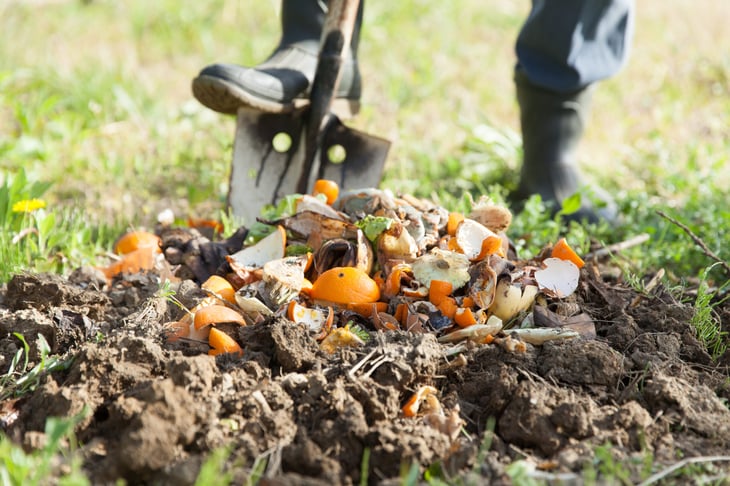
Where are U.S. cities trying to recycle organic waste — yard trimmings and food scraps — into “black gold” and energy?
To find out, LawnStarter looked at the top cities for composting in 2026.
Composting is complicated, but why does LawnStarter care? Grass clippings and other organic yard waste are compostable, and 26 states require yard waste to be sorted from the bin. Read more about recent composting statistics, accomplishments, and obstacles in “Beyond the Bin: U.S. Composting Stats, Policies, and Roadblocks.”
To come up with this ranking, we compared the 500 largest U.S. cities based on 11 total metrics, including access to both city-run and private composting services, average yard size, and policies driving compost access, like zero-waste initiatives.
See where composting is spreading in our ranking below. To learn how we ranked the cities, see our methodology at the end.
15. Mountain View, CA
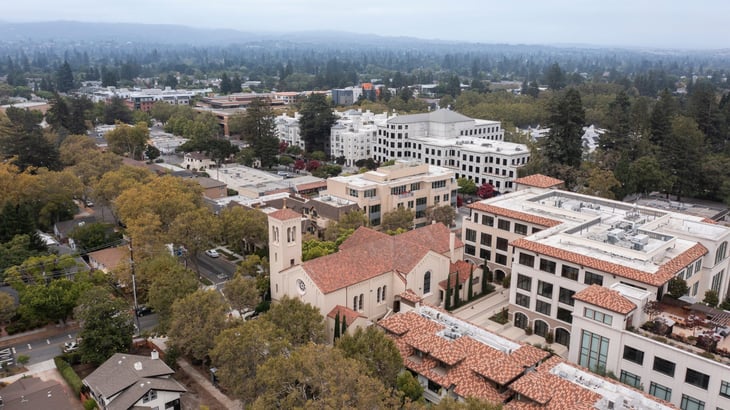
- Overall Score: 46.68
- Infrastructure Rank: 54
- Waste Initiatives and Policies Rank: 5
- Residential Space Rank: 473
- Climate Rank: 70
- Local Interest Rank: 271
14. Oceanside, CA
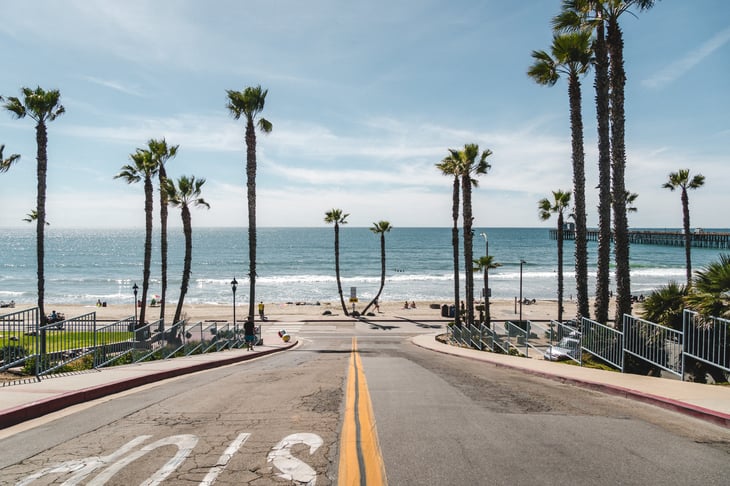
- Overall Score: 46.77
- Infrastructure Rank: 123
- Waste Initiatives and Policies Rank: 1
- Residential Space Rank: 360
- Climate Rank: 95
- Local Interest Rank: 403
13. Fremont, CA
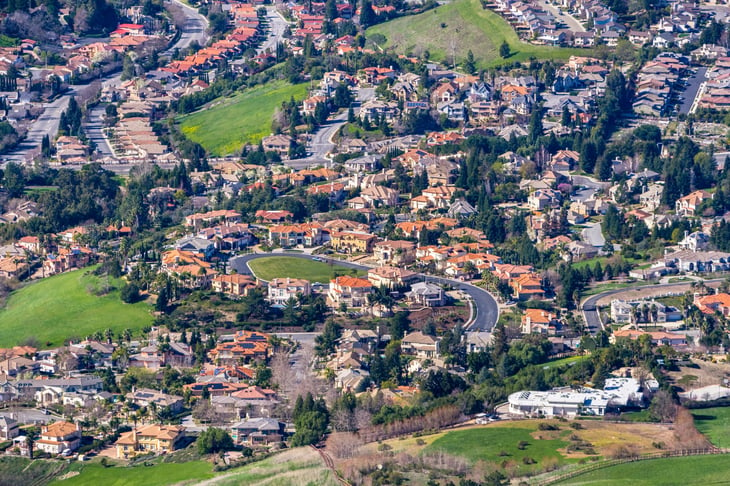
- Overall Score: 46.84
- Infrastructure Rank: 16
- Waste Initiatives and Policies Rank: 40
- Residential Space Rank: 446
- Climate Rank: 70
- Local Interest Rank: 296
12. Cambridge, MA

- Overall Score: 46.89
- Infrastructure Rank: 10
- Waste Initiatives and Policies Rank: 40
- Residential Space Rank: 488
- Climate Rank: 368
- Local Interest Rank: 123
11. Denver, CO
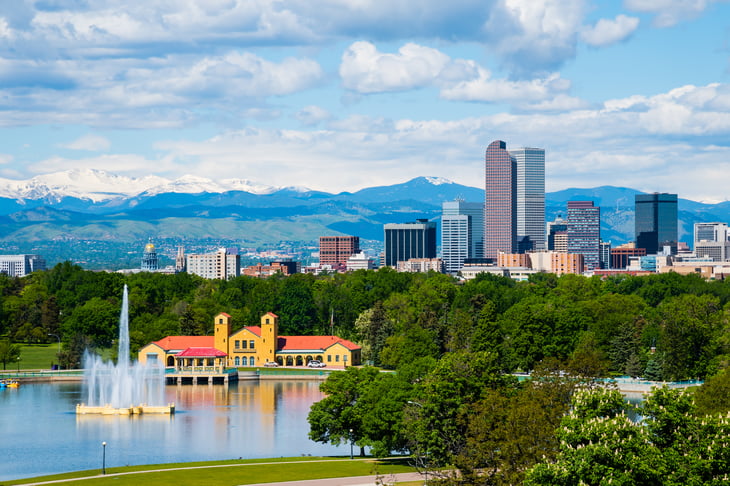
- Overall Score: 47.23
- Infrastructure Rank: 3
- Waste Initiatives and Policies Rank: 160
- Residential Space Rank: 410
- Climate Rank: 485
- Local Interest Rank: 25
10. San Francisco, CA

- Overall Score: 47.32
- Infrastructure Rank: 87
- Waste Initiatives and Policies Rank: 1
- Residential Space Rank: 500
- Climate Rank: 70
- Local Interest Rank: 157

9. Minneapolis, MN
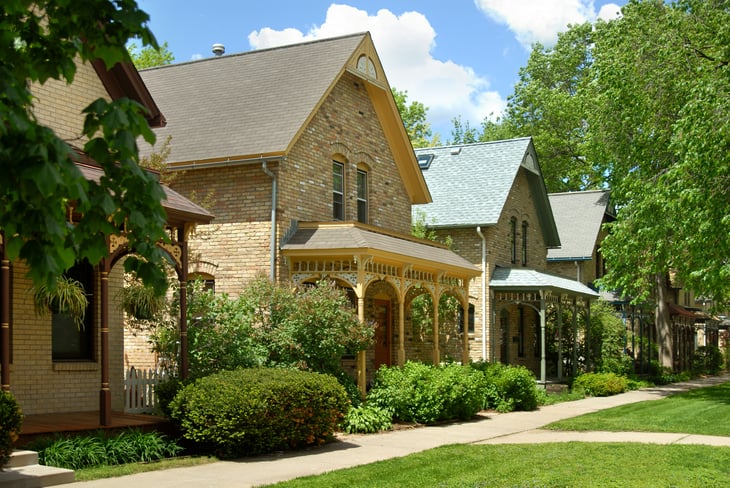
- Overall Score: 47.35
- Infrastructure Rank: 42
- Waste Initiatives and Policies Rank: 37
- Residential Space Rank: 213
- Climate Rank: 460
- Local Interest Rank: 15
8. Gainesville, FL
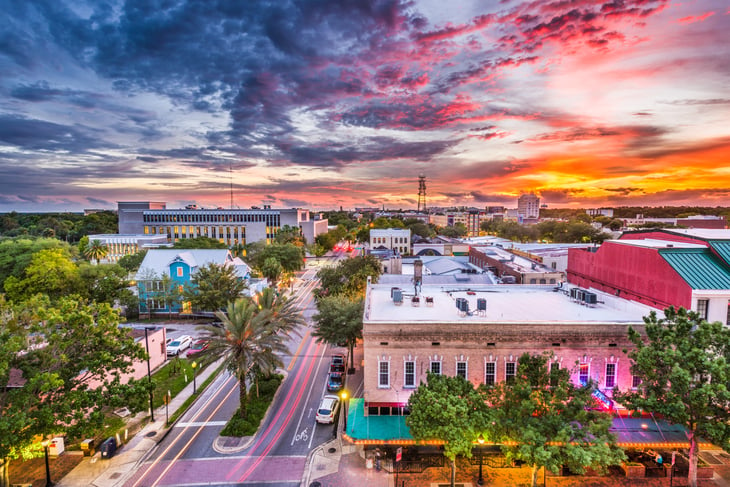
- Overall Score: 48.47
- Infrastructure Rank: 25
- Waste Initiatives and Policies Rank: 37
- Residential Space Rank: 46
- Climate Rank: 58
- Local Interest Rank: 150
7. Austin, TX
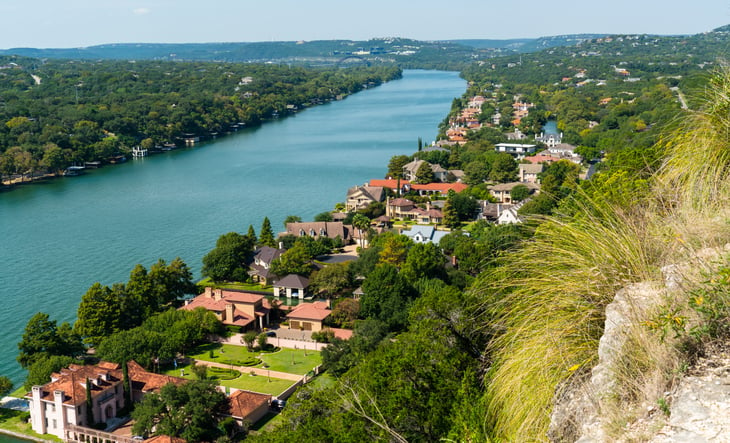
- Overall Score: 48.98
- Infrastructure Rank: 6
- Waste Initiatives and Policies Rank: 160
- Residential Space Rank: 191
- Climate Rank: 62
- Local Interest Rank: 117
6. Orlando, FL

- Overall Score: 49.50
- Infrastructure Rank: 27
- Waste Initiatives and Policies Rank: 135
- Residential Space Rank: 233
- Climate Rank: 38
- Local Interest Rank: 7
5. Santa Monica, CA
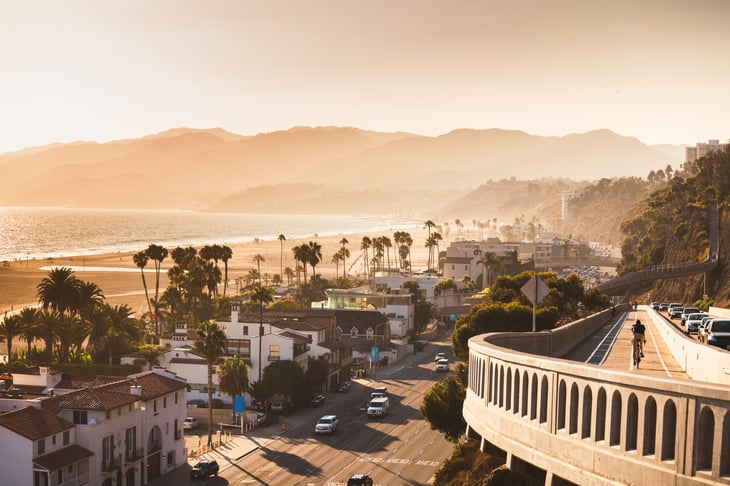
- Overall Score: 52.16
- Infrastructure Rank: 15
- Waste Initiatives and Policies Rank: 5
- Residential Space Rank: 439
- Climate Rank: 137
- Local Interest Rank: 181
4. Boston, MA
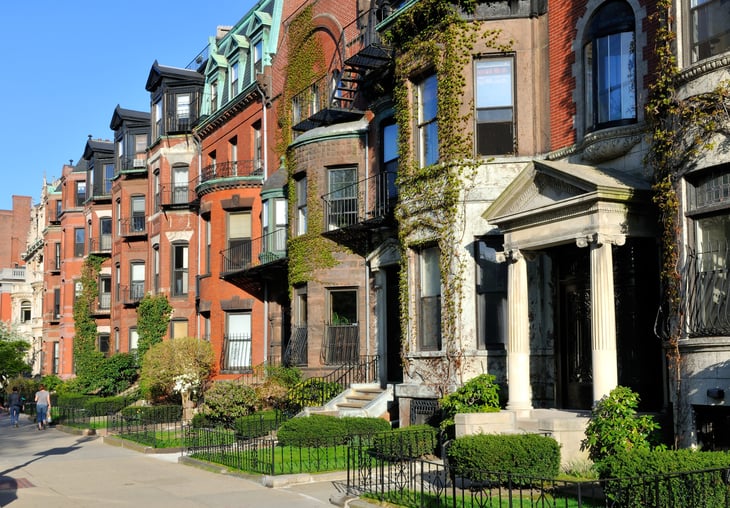
- Overall Score: 54.86
- Infrastructure Rank: 2
- Waste Initiatives and Policies Rank: 40
- Residential Space Rank: 491
- Climate Rank: 368
- Local Interest Rank: 203
3. Los Angeles, CA
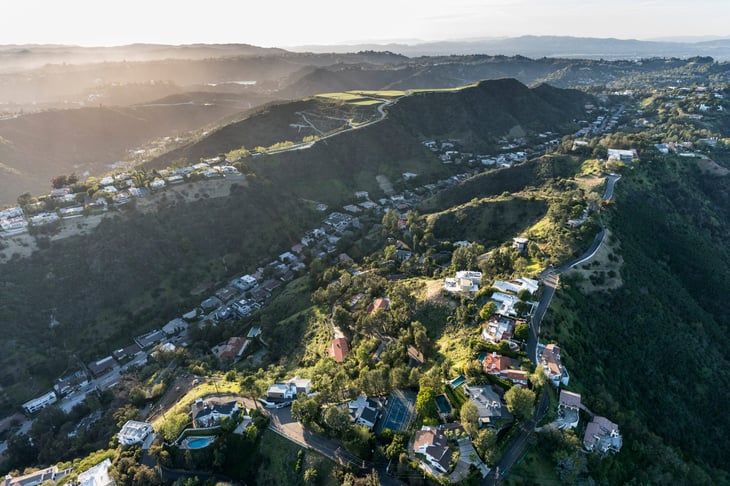
- Overall Score: 58.35
- Infrastructure Rank: 4
- Waste Initiatives and Policies Rank: 5
- Residential Space Rank: 381
- Climate Rank: 200
- Local Interest Rank: 327
2. New York, NY

- Overall Score: 61.40
- Infrastructure Rank: 1
- Waste Initiatives and Policies Rank: 135
- Residential Space Rank: 490
- Climate Rank: 338
- Local Interest Rank: 63
1. San Diego, CA
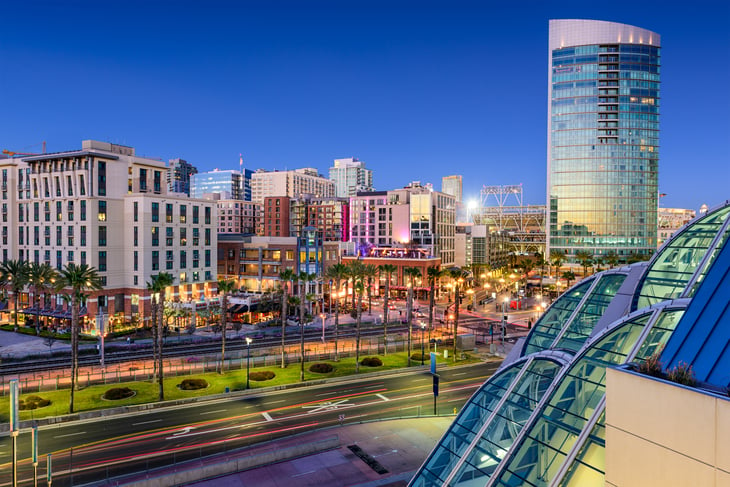
- Overall Score: 63.76
- Infrastructure Rank: 7
- Waste Initiatives and Policies Rank: 1
- Residential Space Rank: 421
- Climate Rank: 95
- Local Interest Rank: 199
Methodology

To rank the top cities for composting, we compared the 500 biggest U.S. cities across 11 different metrics.
Our composting metrics covered five major themes:
- Infrastructure (44%): We looked at access to municipal and private composting programs, the number of local composting facilities, and community gardens per square mile.
- Waste initiatives and policies (22%): We considered whether the state mandates the separation of yard trimmings and/or food scraps from the trash, and zero-waste initiatives at the city, county, and state levels.
- Residential space (7%): We considered the average yard size for setting up a backyard compost pile.
- Climate (11%): We looked into average temperature, humidity, and a counterweight on the average number of very cold days since cold weather can slow down composting.
- Local interest (15%): Average monthly Google searches for composting-related terms, such as “compost near me,” “compost bin,” and “composting,” adjusted by population.
For each of the 500 biggest U.S. cities, we then gathered data on each factor.
Finally, we calculated scores (out of 100 points) for each city to determine its rank in each factor, each category, and overall. A city’s overall score is the average of its scores across all factors and categories. The highest overall score ranked “Best” (No. 1).

Add a Comment