


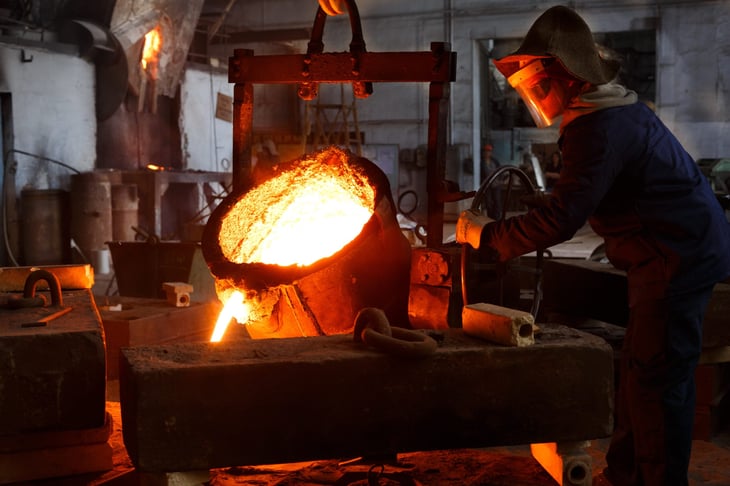
President Donald Trump announced new and expanded tariffs on steel and aluminum imports, continuing his administration’s protectionist trade approach.
The revised tariffs aim to boost domestic manufacturing, reduce reliance on foreign materials, and address trade imbalances.
However, critics warn they could drive up costs for businesses and consumers while escalating tensions with U.S. trade partners. What exactly has changed, and what does it mean for the economy and for you?
1. Higher tariffs mean pricier raw materials

The Trump administration now imposes tariffs on aluminum imports from 10% to 25% while maintaining the existing 25% tariff on steel. These tariffs apply to all countries and remove previous exemptions and alternative trade agreements.
This means that nations that once had lower tariffs—like Canada, Mexico, and the European Union—are now subject to the full 25% duty. The policy is expected to impact manufacturers, construction firms, and industries that rely on imported metals.
Businesses that depend on affordable raw materials may need to rethink their sourcing strategies to remain competitive.
These tariffs could drive up costs for individuals on cars, appliances, and canned goods. As businesses pay more for materials, consumers may see higher prices on everyday essentials.
2. More expensive imports drive up consumer costs

Previously, tariffs applied mainly to raw steel and aluminum. Under the new rules, the tariffs have been expanded to downstream products, meaning any items manufactured using imported steel or aluminum could also face additional costs.
This change is intended to prevent companies from bypassing tariffs by importing semi-finished products instead of raw materials. However, it could also increase costs for manufacturers of cars, appliances, and construction materials, leading to higher prices for consumers.
Industries that rely on these metals for essential goods may need to either pass these costs onto customers or absorb them, potentially affecting profit margins and business growth.
Pro Tip: Rising material costs could make appliance and home repairs more expensive. A home warranty can help protect you from unexpected breakdowns and costly repairs. Take a second and see policies cost and what they cover.
3. Stricter rules could create supply shortages
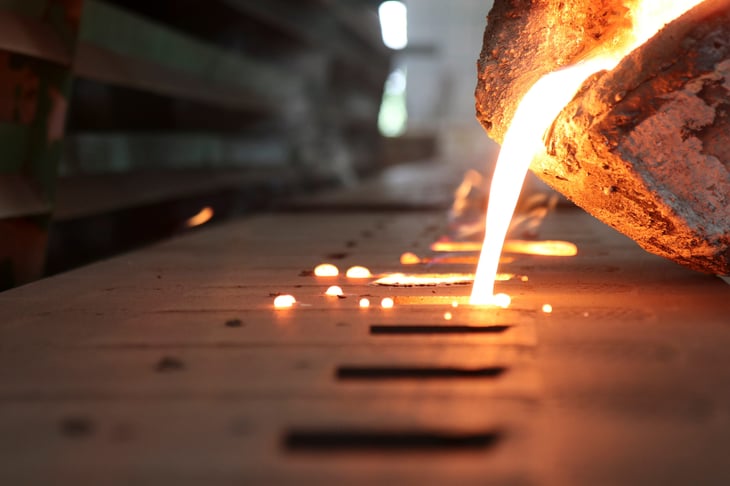
A key addition to the tariff policy is the “melted and poured” standard for steel and the “smelted and cast” requirement for aluminum. To avoid tariffs, steel and aluminum must be entirely processed within North America—not just assembled or finished there.
This rule is designed to block countries like China and Russia from circumventing tariffs by shipping metals to a third country for minimal processing before exporting them to the U.S. While the measure aims to strengthen domestic supply chains, it may also lead to supply shortages and higher manufacturing costs.
Companies that traditionally source their metals from overseas might need to seek new suppliers or invest in domestic production, which could take time and add logistical challenges.
Pro Tip: With rising tariffs and supply chain disruptions, diversifying your investments into precious metals could be a smart move. If you’re over 50 and considering gold investments, now is the perfect time to explore your options. Qualified purchases may even earn you up to $10,000 in free metals! Get your FREE 2025 Gold Information Kit today and start securing your financial future with precious metals!
4. Fewer trade exemptions mean across-the-board price hikes

The latest policy eliminates all country-specific exemptions and product-specific exclusions, meaning that every nation and every affected product could now face full tariff rates.
Previously, certain allies—such as Canada, Mexico, and South Korea—were given exemptions or reduced tariffs, but those deals have now been revoked.
This change further escalates trade tensions and increases the likelihood of retaliatory tariffs from affected countries, which could hurt U.S. exports in industries such as agriculture and technology. Small businesses that rely on imports from formerly exempt countries may face financial strain, potentially leading to reduced hiring or price increases for consumers.
Pro Tip: Rising costs from tariffs can put a strain on your budget—but your cell phone bill doesn’t have to. If you’re paying more than $15 a month, you’re likely overpaying. Click here to save a bundle.
5. Higher prices could hit everything from cars to canned goods

The new tariffs may likely increase costs for industries that rely on imported steel and aluminum, including construction, manufacturing, and automobile production. This could increase consumer prices on cars, canned products, and home appliances.
Additionally, the risk of retaliatory tariffs from trading partners could harm U.S. farmers, manufacturers, and exporters, potentially leading to job losses in industries that depend on international trade.
While the administration argues the policy could strengthen American manufacturing in the long run, its short-term effects on inflation and business costs remain a significant concern. Whether the tariffs may ultimately lead to economic gains or setbacks depends on how businesses and international trade partners respond to these policy changes.
Pro Tip: With rising costs and economic uncertainty, now is the time to protect your wealth. Precious metals can hedge against inflation, market volatility, and financial downturns. Secure your future by opening a gold IRA and safeguard your savings with a time-tested asset.
What’s next for U.S. trade policy?

The expanded steel and aluminum tariffs continue Trump’s aggressive trade policies, focusing on reducing foreign competition and boosting domestic manufacturing.
While some American steel and aluminum producers may benefit, industries that rely on imported metals could face higher costs, leading to potential job losses and price hikes for consumers.
Whether these tariffs could ultimately strengthen or weaken the economy remains to be seen, but they may shape the trade landscape for years. Understanding the potential impact of these policies can help businesses and consumers prepare for any economic shifts ahead.

Add a Comment