Trump’s Next Trade Battle: 12 Everyday Costs That May Surge

Phil Mistry / Shutterstock.com

Trump’s trade policies could drive up prices on essential goods, putting pressure on household budgets nationwide. As new tariffs take effect, everyday expenses—from groceries to electronics—may become more expensive.

While these policies are designed to boost domestic industries, they may also financially strain families already watching their spending. Knowing which costs are most affected and adjusting your budget can help you stay prepared.

Here are 12 household expenses that could rise and what you can do to minimize the impact.

1. Health and Personal Care Products

Woman comparing over-the-counter medicine at the pharmacy
George Rudy / Shutterstock.com

Due to tariffs on chemicals and packaging materials, imported items like shampoos, skincare products, and over-the-counter medications could be more expensive.

To save, consider buying generic alternatives which offer the same quality at lower prices. Stocking up during sales or switching to local brands can also help manage costs.

Pro Tip: Life Line Screening reveals hidden risks so you can act early. Book a screening today and have peace of mind.

2. Pet Supplies

LightField Studios / Shutterstock.com

Pet food, toys, and accessories often rely on imported materials and manufacturing. Tariffs could raise prices by 10% to 20%, adding pressure on pet owners managing tight budgets.

To cut costs, look for sales at pet stores or consider subscribing to delivery services that offer discounts for recurring purchases. Homemade pet treats and toys can also help save money while providing quality care for your furry friends.

Pro Tip: Vet bills can devour your savings. Protect yourself and your furry friends with Pet Insurance.

3. Groceries: Imported Foods May Cost More

A woman with bags full of groceries.
Wayhome Studio / Shutterstock.com

Tariffs on agricultural products can increase the cost of imported foods like fruits, vegetables, and specialty items.

To save, focus on buying in-season, locally sourced produce and explore alternatives for items affected by tariffs.

Pro tip: As uncertainty surrounds future tariffs and tax rates and world politics, diversifying your retirement portfolio becomes even more important. Gold offers a unique opportunity to hedge against economic volatility and inflation. Learn more by visiting Preserve Gold.

4. Electronics: The Price of Gadgets Could Skyrocket

Assorted electronics including a laptop, tablet, headphones, mouse, cell phone, remote, keyboard
Veja / Shutterstock.com

Trump has threatened to raise tariffs on Chinese goods to as high as 60%. That could impact the price of virtually all imports from China, including electronics, from smartphones to laptops.

If you’re in the market for a new gadget, consider purchasing now before additional tariffs are enacted.

Pro Tip: A home equity loan is a great way to access fast cash. Take a minute right now and see how much you can get, how fast you can get it and how little you'll pay.

5. Automobiles: Expect Higher Prices on New Cars

Steve Lagreca / Shutterstock.com

Tariffs on imported auto parts mean car manufacturers often pass the costs on to consumers. All car companies use some imported parts.

If new car prices climb, repairing an older vehicle or buying used might be a smarter financial move.

Pro Tip: Repair costs are skyrocketing. If you’re concerned about coming up with thousands for a car repair, consider the cost/benefit of an extended car warranty. 

6. Home Appliances: Prepare for Price Increases

Kitchen with stainless steel appliances
tab62 / Shutterstock.com

Dishwashers, refrigerators, and other major appliances often rely on imported components.

Tariffs can make these items significantly pricier, so timing your purchase carefully is key.

Pro tip: Consider a home warranty: Example? First American covers everything from home appliances to electrical, plumbing, heating and cooling systems. Take a second and see policies cost and what the cover.

7. Clothing: Imported Fashion Could Cost You

Chanel handbag
thanmano / Shutterstock.com

Tariffs on textiles and apparel impact the price of many imported clothing brands. Opting for domestic brands or waiting for sales might help offset the costs.

Pro tip: When shopping online, get 3-15% cash back with easy-to-use rebate services like Capital One Shopping or Rakuten.

8. Home Improvement Supplies: Renovations Might Be Pricier

Young couple DIY repairs home
Stokkete / Shutterstock.com

Lumber, steel, and other materials used in home improvement projects have faced tariffs, driving up costs.

Budget accordingly if you’re planning renovations or consider scaling back your plans.

9. Toys and Baby Products: Costs Could Rise for Parents
used baby toys
prettymeko / Shutterstock.com

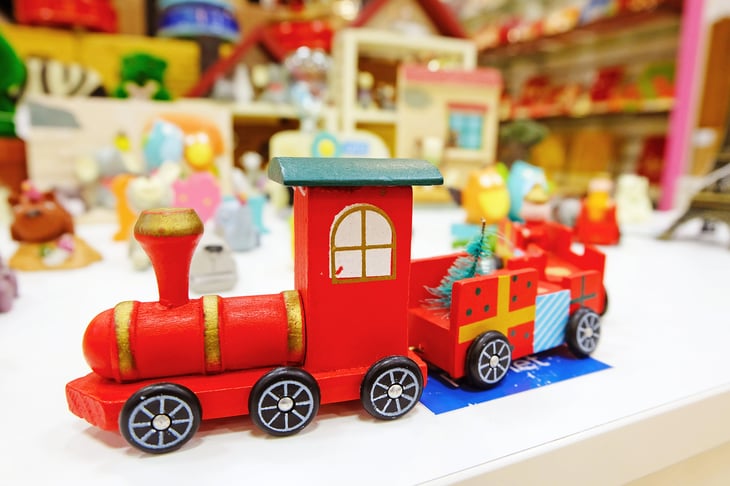
Tariffs on children’s toys and baby products, like car seats and cribs, can impact young families.

Shop early for essentials and take advantage of sales before prices increase further.

10. Furniture: Higher Tariffs Could Impact Your Decor

Small living room
New Africa / Shutterstock.com

Lots of furniture is imported, and tariffs will increase prices on couches and tables.

Consider buying secondhand, waiting for end-of-season clearance sales or buying before higher tariffs hit.

11. Steel and Aluminum Products: From Bicycles to Soda Cans
Alexandru Nika / Shutterstock.com

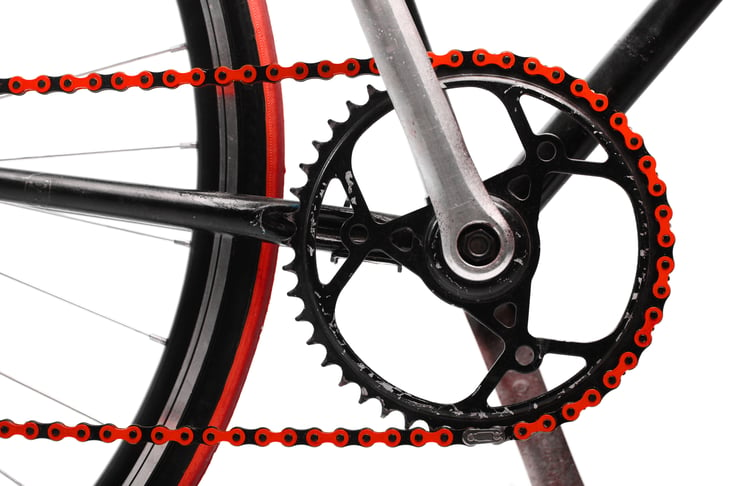
Tariffs on metals impact a wide range of products, including bikes, cookware, and even canned goods. Chinese steal is already subject to 8-12% tariffs, but could easily double.

Be prepared for higher prices and anticipate how small increases add up to your household budget.

12. Imported Wine and Spirits: Your Happy Hour Might Get Pricier

Rose wine
Nishihama / Shutterstock.com

Imported wine, beer, and spirits have faced higher tariffs, making happy hour more expensive.

Consider local brews or domestic wines to keep costs down.

Pro tip: This might be a good time to consider an investment in wine and whiskey. Vinovest can get you started with as little as $1,000.

Plan to Beat Tariff-Driven Inflation

Man holding open a wallet with his last dollar
HappyTime19 / Shutterstock.com

Trump’s trade policies could have a lasting effect on household expenses, but thoughtful planning can help you stay ahead. You can minimize financial strain by identifying key areas impacted by tariffs and adjusting your spending habits.

Take advantage of sales, explore domestic alternatives, and consider timing major purchases to avoid sudden price spikes. With the right strategies, you can protect your wallet from the ripple effects of trade wars.


 

Upgrade to an ad-free experience

As a newsletter subscriber, you're already part of the family. Members enjoy distraction-free reading, PDF downloads, and exclusive perks.

No ads • PDF downloads • 2 free eBooks • Email us questions
Learn more about membership benefits •

Trump’s Trade War Fallout: 12 Critical Household Costs to Reconsider

President Donald Trump
Anna Moneymaker / Shutterstock.com

Trump’s trade policies are set to impact a wide range of goods, reshaping household budgets across America. With sweeping tariffs targeting imports, everything from groceries to gadgets could see price hikes.

While these measures aim to bolster domestic industries, the financial ripple effects could strain families already dealing with tight budgets. Knowing which items are most affected and how to adjust your spending can help you confidently navigate these changes.

Explore 12 household costs likely to be hit hardest by the tariffs and discover innovative strategies to protect your wallet.

1. Health and Personal Care Products

Woman comparing over-the-counter medicine at the pharmacy
George Rudy / Shutterstock.com

Due to tariffs on chemicals and packaging materials, imported items like shampoos, skincare products, and over-the-counter medications could be more expensive.

To save, consider buying generic alternatives which offer the same quality at lower prices. Stocking up during sales or switching to local brands can also help manage costs.

Pro Tip: Life Line Screening reveals hidden risks so you can act early. Book a screening today and have peace of mind.

2. Pet Supplies

LightField Studios / Shutterstock.com

Pet food, toys, and accessories often rely on imported materials and manufacturing. Tariffs could raise prices by 10% to 20%, adding pressure on pet owners managing tight budgets.

To cut costs, look for sales at pet stores or consider subscribing to delivery services that offer discounts for recurring purchases. Homemade pet treats and toys can also help save money while providing quality care for your furry friends.

Pro Tip: Vet bills can devour your savings. Protect yourself and your furry friends with Pet Insurance.

3. Groceries: Imported Foods May Cost More

A woman with bags full of groceries.
Wayhome Studio / Shutterstock.com

Tariffs on agricultural products can increase the cost of imported foods like fruits, vegetables, and specialty items.

To save, focus on buying in-season, locally sourced produce and explore alternatives for items affected by tariffs.

Pro tip: As uncertainty surrounds future tariffs and tax rates and world politics, diversifying your retirement portfolio becomes even more important. Gold offers a unique opportunity to hedge against economic volatility and inflation. Learn more by visiting Preserve Gold.

4. Electronics: The Price of Gadgets Could Skyrocket

Assorted electronics including a laptop, tablet, headphones, mouse, cell phone, remote, keyboard
Veja / Shutterstock.com

Trump has threatened to raise tariffs on Chinese goods to as high as 60%. That could impact the price of virtually all imports from China, including electronics, from smartphones to laptops.

If you’re in the market for a new gadget, consider purchasing now before additional tariffs are enacted.

5. Automobiles: Expect Higher Prices on New Cars

Steve Lagreca / Shutterstock.com

Tariffs on imported auto parts mean car manufacturers often pass the costs on to consumers. All car companies use some imported parts.

If new car prices climb, repairing an older vehicle or buying used might be a smarter financial move.

Pro Tip: Repair costs are skyrocketing. If you’re concerned about coming up with thousands for a car repair, consider the cost/benefit of an extended car warranty. 

6. Home Appliances: Prepare for Price Increases

Kitchen with stainless steel appliances
tab62 / Shutterstock.com

Dishwashers, refrigerators, and other major appliances often rely on imported components.

Tariffs can make these items significantly pricier, so timing your purchase carefully is key.

Pro tip: Consider a home warranty: Example? First American covers everything from home appliances to electrical, plumbing, heating and cooling systems. Take a second and see policies cost and what the cover.

7. Clothing: Imported Fashion Could Cost You

Chanel handbag
thanmano / Shutterstock.com

Tariffs on textiles and apparel impact the price of many imported clothing brands. Opting for domestic brands or waiting for sales might help offset the costs.

Pro tip: When shopping online, get 3-15% cash back with easy-to-use rebate services like Capital One Shopping or Rakuten.

8. Home Improvement Supplies: Renovations Might Be Pricier

Young couple DIY repairs home
Stokkete / Shutterstock.com

Lumber, steel, and other materials used in home improvement projects have faced tariffs, driving up costs.

Budget accordingly if you’re planning renovations or consider scaling back your plans.

9. Toys and Baby Products: Costs Could Rise for Parents

used baby toys
prettymeko / Shutterstock.com

Tariffs on children’s toys and baby products, like car seats and cribs, can impact young families.

Shop early for essentials and take advantage of sales before prices increase further.

10. Furniture: Higher Tariffs Could Impact Your Decor

Small living room
New Africa / Shutterstock.com

Lots of furniture is imported, and tariffs will increase prices on couches and tables.

Consider buying secondhand, waiting for end-of-season clearance sales or buying before higher tariffs hit.

11. Steel and Aluminum Products: From Bicycles to Soda Cans

Alexandru Nika / Shutterstock.com

Tariffs on metals impact a wide range of products, including bikes, cookware, and even canned goods. Chinese steal is already subject to 8-12% tariffs, but could easily double.

Be prepared for higher prices and anticipate how small increases add up to your household budget.

12. Imported Wine and Spirits: Your Happy Hour Might Get Pricier

Rose wine
Nishihama / Shutterstock.com

Imported wine, beer, and spirits have faced higher tariffs, making happy hour more expensive.

Consider local brews or domestic wines to keep costs down.

Pro tip: This might be a good time to consider an investment in wine and whiskey. Vinovest can get you started with as little as $1,000.

Plan to Beat Tariff-Driven Inflation

Man holding open a wallet with his last dollar
HappyTime19 / Shutterstock.com

Trump’s trade policies could have a lasting effect on household expenses, but thoughtful planning can help you stay ahead. You can minimize financial strain by identifying key areas impacted by tariffs and adjusting your spending habits.

Take advantage of sales, explore domestic alternatives, and consider timing major purchases to avoid sudden price spikes. With the right strategies, you can protect your wallet from the ripple effects of trade wars.


Upgrade to an ad-free experience

As a newsletter subscriber, you're already part of the family. Members enjoy distraction-free reading, PDF downloads, and exclusive perks.

No ads • PDF downloads • 2 free eBooks • Email us questions
Learn more about membership benefits •

Trump’s Trade War Fallout: 10 Critical Household Costs to Reconsider

Jonah Elkowitz / Shutterstock.com

With tariffs targeting a wide range of imported goods, Trump’s looming trade wars may soon reshape the cost of everyday living. From groceries to gadgets, these policies could drive up prices.

As tensions escalate and steeper tariffs seem inevitable, families face a tricky question: How can you shield your budget from these financial shocks? Understanding where costs might rise is the first step.

Here’s a closer look at 10 household expenses that could be hit hardest and how to adapt your spending strategies.

1. Groceries: Imported Foods May Cost More

Confused man shopping for groceries
Vera Petrunina / Shutterstock.com

Tariffs on agricultural products can drive up the cost of imported foods like fruits, vegetables, and specialty items.

To save, focus on buying in-season, locally sourced produce and explore alternatives for items affected by tariffs.

Pro tip: As uncertainty surrounds future tariffs and tax rates and world politics, diversifying your retirement portfolio becomes even more important. Gold offers a unique opportunity to hedge against economic volatility and inflation. Learn more by visiting Preserve Gold.

2. Electronics: The Price of Gadgets Could Skyrocket

Assorted electronics including a laptop, tablet, headphones, mouse, cell phone, remote, keyboard
Veja / Shutterstock.com

Trump has threatened to raise tariffs on Chinese goods to as high as 60%. That could impact the price of virtually all imports from China, including electronics, from smartphones to laptops.

If you’re in the market for a new gadget, consider purchasing now before additional tariffs are enacted.

3. Automobiles: Expect Higher Prices on New Cars

Steve Lagreca / Shutterstock.com

Tariffs on imported auto parts mean car manufacturers often pass the costs on to consumers. All car companies use some imported parts.

If new car prices climb, repairing an older vehicle or buying used might be a smarter financial move.

Pro Tip: Repair costs are skyrocketing. If you’re concerned about coming up with thousands for a car repair, consider the cost/benefit of an extended car warranty. 

4. Home Appliances: Prepare for Price Increases

Kitchen with stainless steel appliances
tab62 / Shutterstock.com

Dishwashers, refrigerators, and other major appliances often rely on imported components.

Tariffs can make these items significantly pricier, so timing your purchase carefully is key.

Pro tip: Consider a home warranty: Example? First American covers everything from home appliances to electrical, plumbing, heating and cooling systems. Take a second and see policies cost and what the cover.

5. Clothing: Imported Fashion Could Cost You

Chanel handbag
thanmano / Shutterstock.com

Tariffs on textiles and apparel impact the price of many imported clothing brands. Opting for domestic brands or waiting for sales might help offset the costs.

Pro tip: When shopping online, get 3-15% cash back with easy-to-use rebate services like Capital One Shopping or Rakuten.

6. Home Improvement Supplies: Renovations Might Be Pricier

Young couple DIY repairs home
Stokkete / Shutterstock.com

Lumber, steel, and other materials used in home improvement projects have faced tariffs, driving up costs.

Budget accordingly if you’re planning renovations or consider scaling back your plans.

7. Toys and Baby Products: Costs Could Rise for Parents

used baby toys
prettymeko / Shutterstock.com

Tariffs on children’s toys and baby products, like car seats and cribs, can impact young families.

Shop early for essentials and take advantage of sales before prices increase further.

8. Furniture: Higher Tariffs Could Impact Your Decor

Small living room
New Africa / Shutterstock.com

Lots of furniture is imported, and tariffs will increase prices on couches and tables.

Consider buying secondhand, waiting for end-of-season clearance sales or buying before higher tariffs hit.

9. Steel and Aluminum Products: From Bicycles to Soda Cans

Alexandru Nika / Shutterstock.com

Tariffs on metals impact a wide range of products, including bikes, cookware, and even canned goods. Chinese steal is already subject to 8-12% tariffs, but could easily double.

Be prepared for higher prices and anticipate how small increases add up to your household budget.

10. Imported Wine and Spirits: Your Happy Hour Might Get Pricier

Rose wine
Nishihama / Shutterstock.com

Imported wine, beer, and spirits have faced higher tariffs, making happy hour more expensive.

Consider local brews or domestic wines to keep costs down.

Pro tip: This might be a good time to consider an investment in wine and whiskey. Vinovest can get you started with as little as $1,000.

Plan to Beat Tariff-Driven Inflation

Man holding open a wallet with his last dollar
HappyTime19 / Shutterstock.com

While Trump’s trade policies aim to strengthen the U.S. economy, they also create ripple effects that will probably reach your wallet.

Planning purchases, shopping strategically, and looking for domestic alternatives can help minimize the impact on your household budget.


Upgrade to an ad-free experience

As a newsletter subscriber, you're already part of the family. Members enjoy distraction-free reading, PDF downloads, and exclusive perks.

No ads • PDF downloads • 2 free eBooks • Email us questions
Learn more about membership benefits •