
  30+ years of personal finance
  1. Home
  2. /Make
  3. /3 Ways Supplemental Security Income Has Changed This Fall
  • Sign up
  • Sign in
Money Talks News
  • Popular
  • Latest
    • Make
    • Save
    • Borrow
    • Grow
    • Live
    • More
  • Podcasts
  • Solutions
  • Academy
  • Subscribe to our newsletter
  • Follow us on Facebook
  • Follow us on Instagram
  • Follow us on X
  • Search our site
Asset allocation and growth11 Secret Ways Americans Build Wealth
Man checking his bag at the airport21 Items to Cut From Your Budget That You Won’t Even Miss
Woman with cut-up credit card9 Clever Ways to Slash Your Monthly Bills by $500

3 Ways Supplemental Security Income Has Changed This Fall

More Americans with limited income will be eligible for this federal benefit.

B.T. Ballenger

Journalist Who Has Covered Personal Finance for Over 15 Years

Published Nov. 9, 2024

Advertising Disclosure

Share on Facebook Share on X Share by Email Printable version available to members PDF version available to members
  Add as a preferred source on Google
Senior woman eating soup or messy pie in a bowl by the kitchen window
De Visu / Shutterstock.com

More low-income seniors, along with people who have disabilities, are eligible for Supplemental Security Income (SSI) this fall.

The federal government recently announced changes to SSI regulations that took effect Sept. 30. These changes are expected to result in more people qualifying for benefits, and in some cases bigger benefits, while also reducing the amount of information that applicants and recipients must report.

Following is a quick look at how the current SSI program works, followed by how it changed at the end of September.

How Supplemental Security Income works
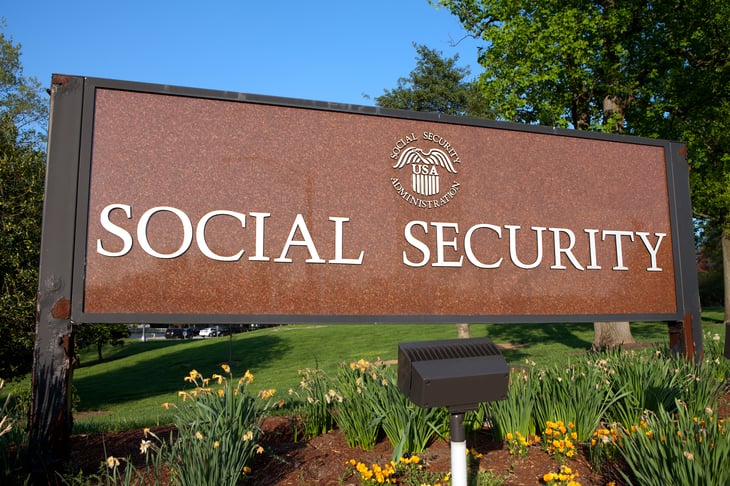
Social Security Administration
Mark Van Scyoc / Shutterstock.com

The Supplemental Security Income program, although not the same as traditional Social Security benefits, is also run by the Social Security Administration.

“SSI provides monthly payments to adults and children with a disability or blindness, and to adults aged 65 and older,” the federal agency says. “These benefits help pay for basic needs like rent, food, clothing, and medicine.”

Generally, you also must have few financial resources and make less than $1,971 from work each month to qualify, but many other things factor in — such as income like disability benefits, unemployment or pensions.

Most people who receive SSI benefits — 70% of them — live in households with family incomes of less than $30,000, including income from assistance benefits.

1. Eligibility will broaden

Pensive senior man looking out a window. Old woman consoling and hugging him.
Perfect Wave / Shutterstock.com

Under one of the new rules, the definition of a “public assistance household” has been expanded to include people who receive Supplemental Nutrition Assistance Program (SNAP) benefits — widely known as food stamps. This will enable more people to qualify for Supplemental Security Income.

Additionally, a requirement that may have prevented larger households, including those with multiple generations, from qualifying for SSI was removed.

“The previous policy required all household members to receive public assistance,” the Social Security Administration says. “This change benefits SSI recipients living in households where only some members receive public assistance.”

See Also:
HELOC Vs. Reverse Mortgage: Which Is Right for You?

Under the new rule, the agency will assume applicants in public assistance households are not receiving financial help from friends or family they live with.

“This will allow more people to qualify for SSI and in some cases, receive a higher SSI payment,” according to the agency.

2. Food aid won’t count as income anymore

Stressed senior preparing to move or unpacking boxes in her home
Krakenimages.com / Shutterstock.com

Under another new rule that took effect Sept. 30, food assistance no longer counts as income for the purpose of computing what the government calls “in-kind support and maintenance (ISM) calculations.”

ISM calculations can affect a person’s eligibility for Supplemental Security Income or reduce the amount of their benefit payments.

So, now that the value of food no longer counts as ISM, people applying for SSI will no longer be potentially penalized for receiving informal food assistance from friends, relatives or their community. They also won’t have to report that information.

3. Rental assistance will affect SSI eligibility and benefits less

Thinking senior man
Belrync / Shutterstock.com

One other rule that took effect Sept. 30 expanded a policy currently available in seven states — Connecticut, Illinois, Indiana, New York, Texas, Vermont and Wisconsin — to the entire country. The policy changes the way the government evaluates rental assistance such as rent subsidies.

In those seven states that already had this policy, renters’ living arrangements are less likely to affect their SSI eligibility or the amount of SSI benefits they get.

“This new rule extends the same advantageous policy to all SSI applicants and recipients nationwide,” the Social Security Administration says. “This may increase the payment amount some people are eligible to receive and will allow more people to qualify for critical SSI payments.”

  Like Article
 
  Comment On
  Facebook   X   Reddit   LinkedIn

Sign up for our free newsletter!

Join our many free newsletter subscribers building wealth and destroying debt:

We'll send you simple ways to make, save, and grow your money daily.

Upgrade to an ad-free experience

As a newsletter subscriber, you're already part of the family. Members enjoy distraction-free reading, PDF downloads, and exclusive perks.

No ads • PDF downloads • 2 free eBooks • Email us questions
$50/year (Best value) $5/month
Learn more about membership benefits • Already a member? Log in
Sign up for our free newsletter!

Simple ways to make, save, and grow your money daily:

  happy subscribers    
Sign up for our free newsletter!

Join our many free newsletter subscribers building wealth and destroying debt:

Popular Topics
  • Retirement Investment
  • Surveys for Money
  • How to Make Money Online
  • Emergency Stockpile
  • Free Movie Streaming
  • Senior Discounts
Connect
  • Support & FAQs
  • Memberships
  • About
  • Advertise
  • Contact
  • Careers
Media
  • Television
  • Where We Air
  • Scripts
  • Sitemap
Legal
  • Terms
  • Privacy
  • Cookies
  • Disclaimer
  • Accessibility Statement
Editorial
  • Fact-Checking Policy
  • Ethics Policy
  • Corrections Policy
  • Ownership & Funding Info

Do Not Sell or Share My Personal Information

© 2026 Money Talks News. All Rights Reserved.
‭1 (833) 669-8557 | 1632 1st Ave #26661, New York, NY 10028

Advertising Disclosure: This site may be compensated in exchange for featured placement of certain sponsored products and services, or your clicking on links posted on this website. As an Amazon Associate, we earn from qualifying purchases.

Add a Comment
Sign up for our free newsletter!

Join our happy subscribers and sign up for our free newsletter! You'll get:

  • Tips and advice from our expert money reporters. (Our average experience is 18 years!)
  • Unexpected ways to make more and spend less, delivered to you daily.
  • The best deals and coupons to save on everything you buy.
 
 
Read Without Distractions. Save Without Limits.

As a newsletter subscriber, you've already discovered smarter ways to manage your money. A membership removes the ads and unlocks tools that help you save even more.

  • ✓No ads - distraction-free reading
  • ✓Premium experience - get more in less time
  • ✓PDF versions of all articles to keep
  • ✓2 free eBooks - a $30 value
  • ✓Member-only support - we prioritize you
  • ✓Course discounts - save on all courses
$50/year 2 months free vs. monthly $5/month Cancel anytime
Learn more about membership benefits Powered by Stripe