



Editor's Note: This story originally appeared on The Penny Hoarder.
Not looking forward to this heat this summer? Neither are we. We have ways to lower your air conditioning costs so you can stay cool without breaking the bank.
With high prices on food, gas and utilities, we could all use a break. A little preventive maintenance and some other easy fixes can help keep costs down.
With that in mind, here are ways to reduce your home cooling costs this summer.
From proper insulation to simple maintenance checks and fixes, these tips to avoid sticker shock from your air conditioning are worth the effort.
1. Get a Free Home Energy Assessment

Many power providers offer free home energy assessments or home energy optimization kits.
Xcel Energy, which serves much of the northern Midwest and mountain regions of the U.S., provides a free virtual visit with a Home Energy Squad member, followed by a free kit to optimize your residential electrical usage.
2. Seal Cracks and Leaks
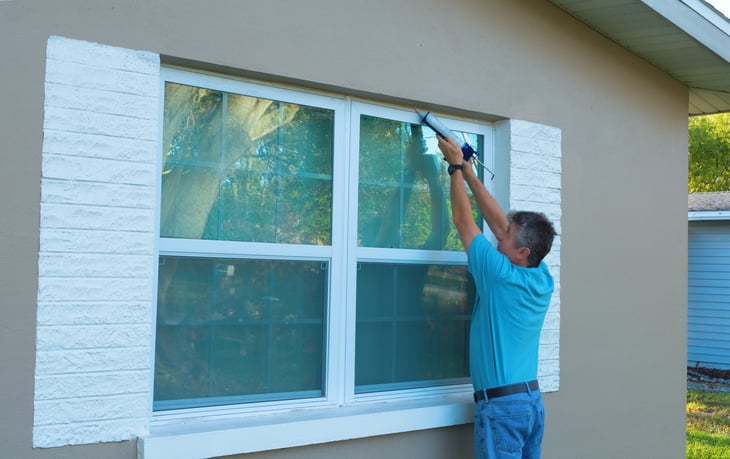
When the heat is high, don’t let any precious warm or cool air escape due to drafty doors and leaky windows. Seal these money-draining spaces with inexpensive draft tape, often ranging from $10 to $25 on popular sites like Amazon.
3. Upgrade to Efficient Equipment With a Rebate
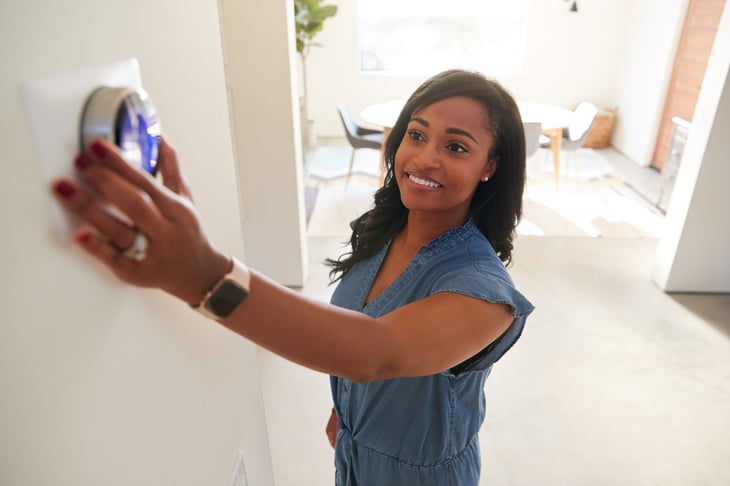
Although upgrading HVAC systems and thermostats can be pricey, many electrical companies offer rebate programs. ConEd, which serves New York City, offers rebates on smart thermostats.
Check with your energy provider to see if rebates are offered in your area. This could mean more than $100 back in your pocket.
4. If You Have a Smart Thermostat, Use It

For those who already have a Nest or other programmable thermostat in your home, take the time to program it.
Smart thermostats offer zonal and timed heating and cooling, which on average will save most homeowners 10%-12% on heating bills and up to 15% savings on their cooling bills.
5. Invest in a One-Time Duct Cleaning
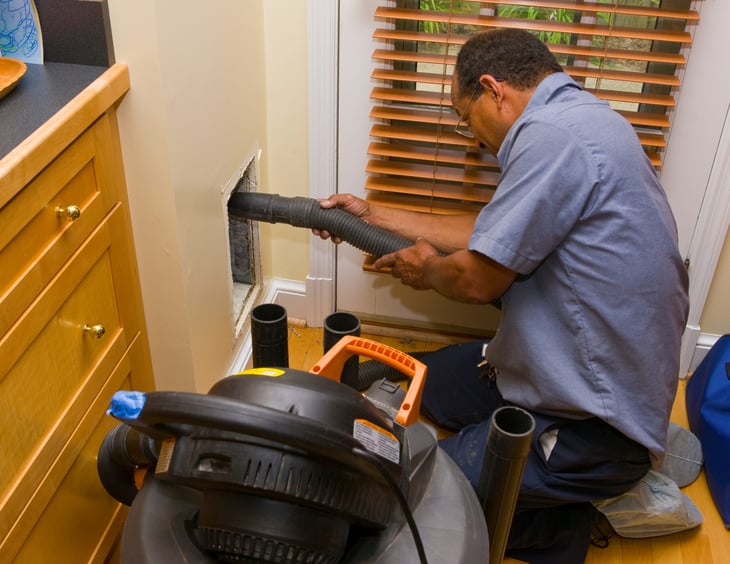
A major cause of ineffective or inefficient home cooling may be clogged ductwork. Over the years, debris like dust, pet hair and dander can accumulate in vents and make it difficult for air to flow smoothly throughout your space.
Cleaner ducts can be a great way to lower electric bills, because you’ll be less likely to turn up the AC. HVAC system maintenance is relatively affordable, and a one-time vent cleaning will take about $200 to $300 out of your home maintenance budget.
6. Run Fans at Night

Some electric companies charge higher rates during the day (aka peak hours) and lower rates in the evening (aka off-peak hours). If you’re wondering how to lower the electric bill, it can help save a few bucks here and there to only run fans at night.
7. Insulate Hidden Areas
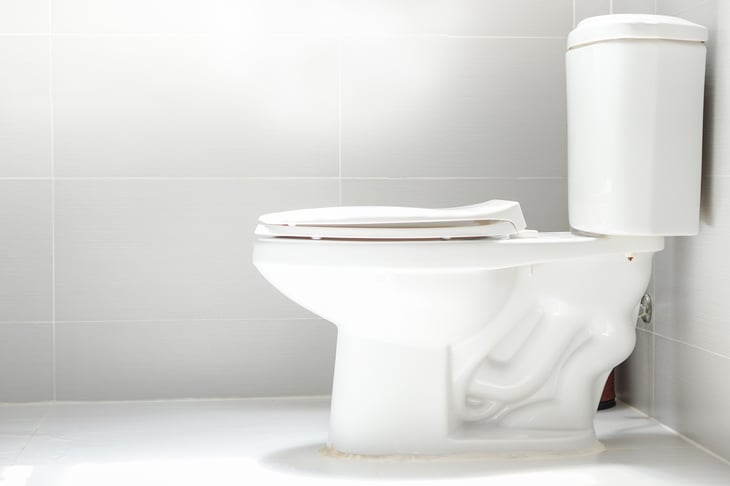
Any item in your house that has pipes behind it (toilets, sinks, etc.) likely is simply sitting in an open hole in the wall with no insulation. This means that in the summer, hot air could be seeping into your home while the cool air from your home could be leaking out.
Consult with a professional to learn more about how adding insulation behind toilets and sinks can help make your home more energy efficient.
8. Open the Door
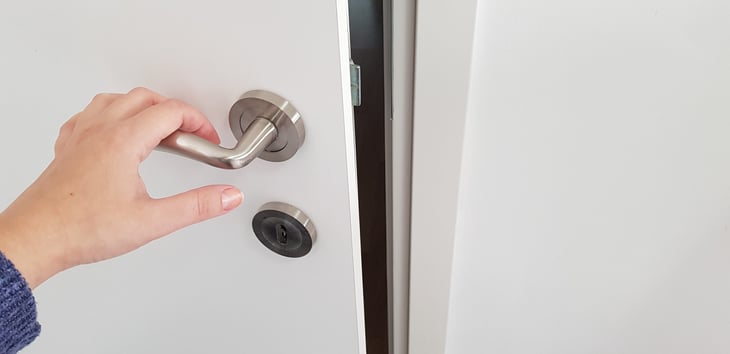
If you live in a multi-room home, keep doors open so cool air can flow throughout your house. Closed doors will block the airflow.
9. Only Cool The Rooms You Use
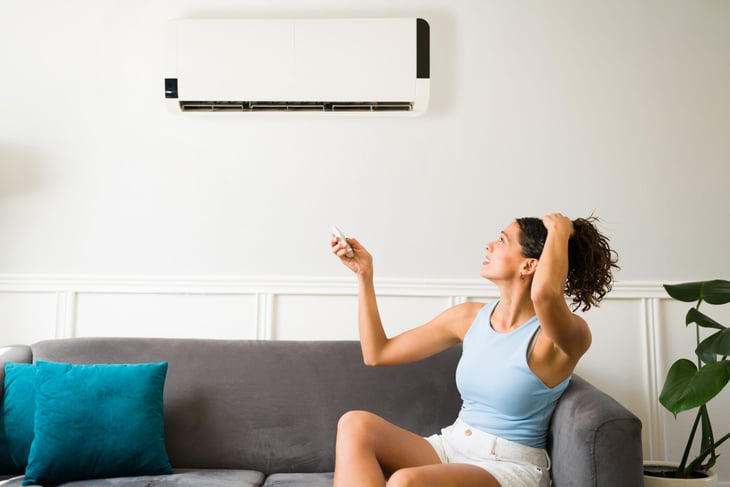
Be sure to only click the AC on in the zones you really need to. Having multiple thermostats throughout your house — zone cooling — is an efficient way to reduce home cooling costs.
10. Lower the Hot Water Heater Temperature
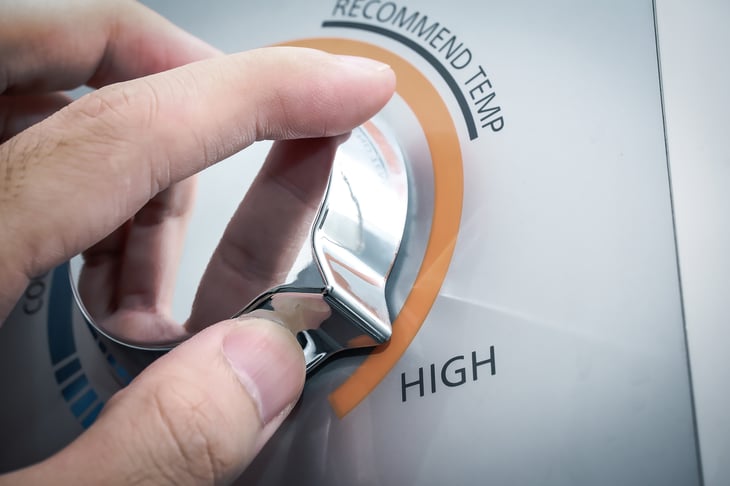
The default temperature for water heaters is 140 degrees, which wastes between $36 and $61 a year, according to the Department of Energy.
According to the DOE, lowering the maximum temperature to 120 degrees is perfectly fine for the majority of the population. Plus, you likely don’t want showers as hot in the summer.
11. Decrease Door Drafts with a Draft Stopper
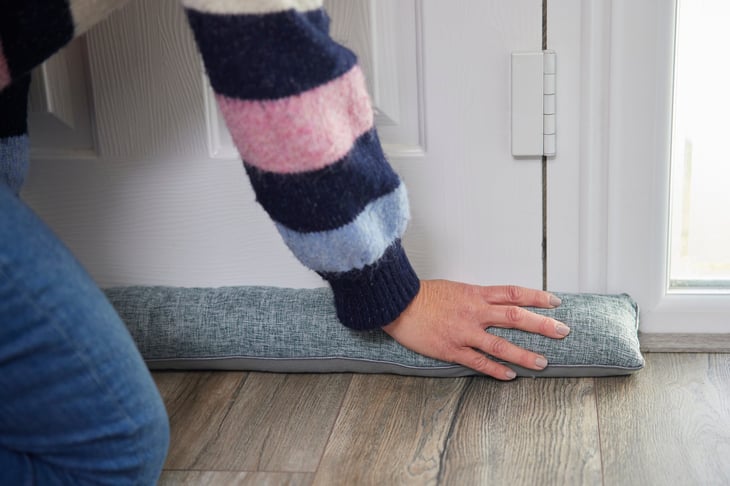
Using the aptly named draft stopper on your doors can further prevent air leaks throughout your home. For only $13, you can keep precious cool air circulating in your space without losing it to wasteful door leaks. Another painless way to save money.
12. Use Exhaust Fans
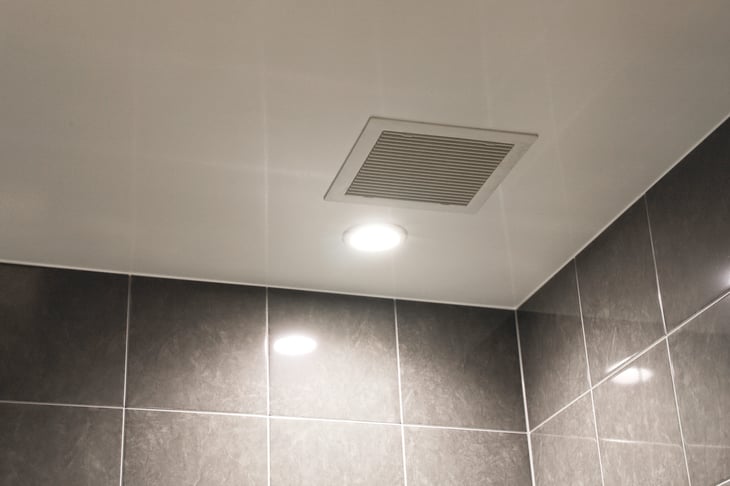
Exhaust fans are generally already built into your home, like the kind above a stove or shower. These fans do an exceptionally good job of circulating air and removing moisture and humidity from that air. Running these fans even when not cooking or in the shower reduces the warm air in your home.
13. Go Through a Checklist

Owning or renting a home comes with all sorts of maintenance. It can be hard to keep track of what to do at what time of year in order to keep your space clean and efficient. Referring to a home checklist like this one can ensure you’re ticking off the correct boxes to prepare your home for warmer months, potentially saving you some dough on utility bills throughout the summer.
14. Rearrange Your Furniture

Go through the house and check to make sure you don’t have beds, dressers, bookcases or other furniture blocking vents. If the vents are blocked (especially by taller items like bookshelves) and cooling isn’t evenly distributed, this may cause you to turn up the AC unnecessarily.
15. Seal the Chimney
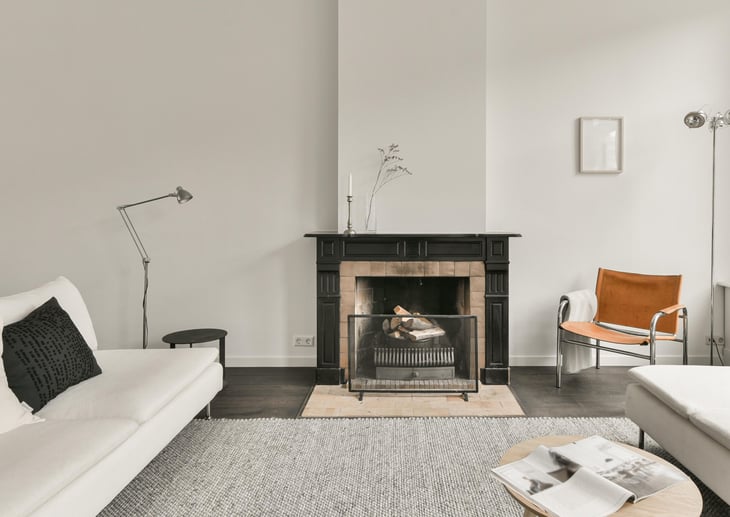
If you aren’t using your fireplace, sealing off your chimney — or at least closing the damper — prevents cold air from leaking out and hot air from wafting in. There are lots of different ways to seal a chimney, from installing a chimney balloon to using plastic to cover the hearth. Consult with a professional to find out what’s right for your home.
16. Close Your Blinds

It’s no secret that sun-facing windows can cause a room — or the entire house — to heat up. In the winter, this is great. In the summer, not so much. Closing your blinds during the day, especially in rooms that get lots of direct sunlight, can decrease the need to crank up the air conditioning.
17. Timing Oven Use

Being smart about using the oven can keep your home cooler and potentially result in lower bills. Try not to use your oven and stove during the hottest parts of the day.
18. Use a Dehumidifier
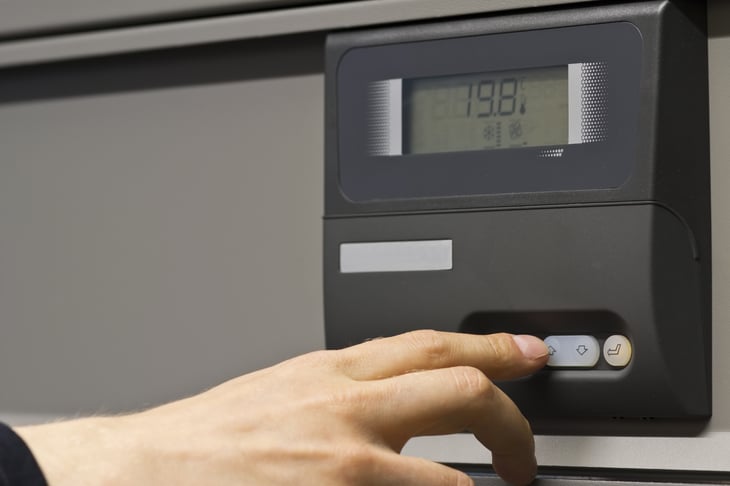
Humid air feels warmer than dry air. Consider turning on your dehumidifier throughout the day so you feel cooler and don’t need as much AC.
19. Dress Light and Change Bedding

Instead of cranking the AC, dressing in light and breezy clothing and changing to lighter bedding can make you feel cooler. Sub your thick duvet for a light blanket to stay cooler when you sleep.

Add a Comment