


To win the right to host the Olympics — usually a decade-long project in itself — cities need to demonstrate they can accommodate all the events, athletes and crowds that will descend for the 17-day extravaganza.
And they have to do it all in a manner meeting the lofty ideals of the Olympic tradition. That usually means a hefty investment — for sports venues, infrastructure upgrades, security and management.
But today’s Olympics go well beyond meeting the requirements of international athletic competitions. Now, the goal is to turn the Games into massive extravaganzas. So how much does all that set the host cities back?
Here’s a look at the cost of hosting the Olympics over the past 25 years.
2000 Summer Olympics
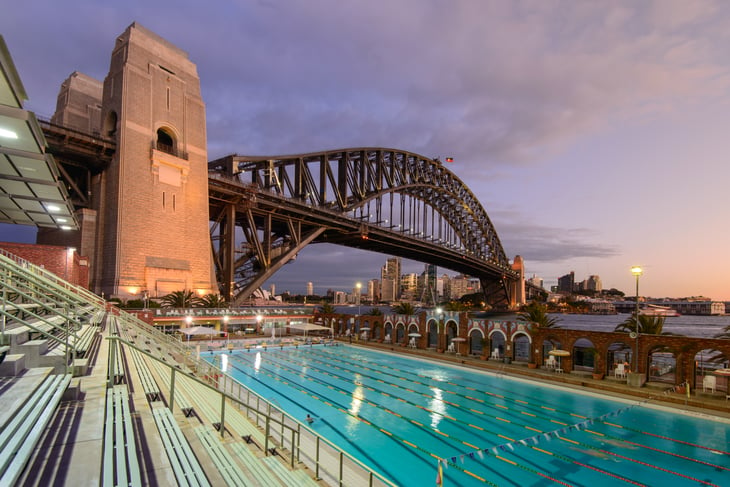
Location: Sydney, Australia
Cost: $5.2 billion (in 2022 dollars)
After the Games were over, the Australian city ended up with its first multipurpose stadium, among other new venues on a 1,600-acre reclaimed industrial site. The investment also upgraded the city’s airport and one of its main interior highways.
According to The New York Times, the capital of New South Wales was also trying to raise its profile in the world and to give its tourism industry a boost. The Down Under city certainly raised its profile briefly, but now the “Olympic stadium costs the city $30 million a year to maintain.”
2002 Winter Olympics
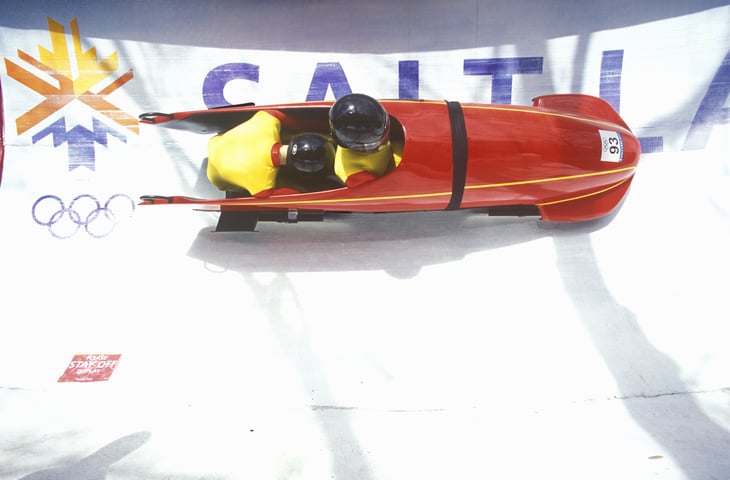
Location: Salt Lake City, USA
Cost: $1.9 billion (in 2002 dollars)
Following a bribery scandal in the bidding process and budget overruns, the Salt Lake Organizing Committee got new leadership in the form of businessman Mitt Romney.
Romney, who would later become the governor of Massachusetts, was instrumental in bringing in sponsorships and reining in costs, and he takes credit for balancing the Games’ budget and even bringing in a profit. That’s true if looked at in a certain way, according to an analysis by Politifact.
But it doesn’t account for as much as $1.5 billion in federal funding (thanks, American taxpayers) for many aspects of hosting, including millions for communications, light rail and even for running some of the competitions.
The federal government also helped foot the bill for security, which ballooned to about $300 million in the wake of the September 2001 terrorist attacks on the United States.
2004 Summer Olympics
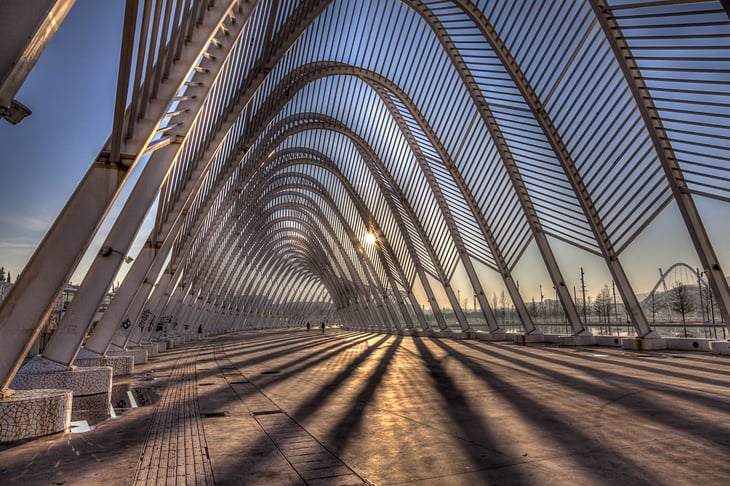
Location: Athens, Greece
Cost: $11 billion (in 2010 dollars)
The 2004 Olympics were symbolic for Athens — the birthplace of the historical Games had not hosted the modern Olympics since 1896.
The Greeks delivered some spectacular new architecture for the Games — such as the archway at the Athens Olympic Sports Complex. However, many of the venues are now vacant and falling into disrepair.
Some also argue that Greece’s extravagant spending on the Games contributed to its national debt crisis.
2006 Winter Olympics
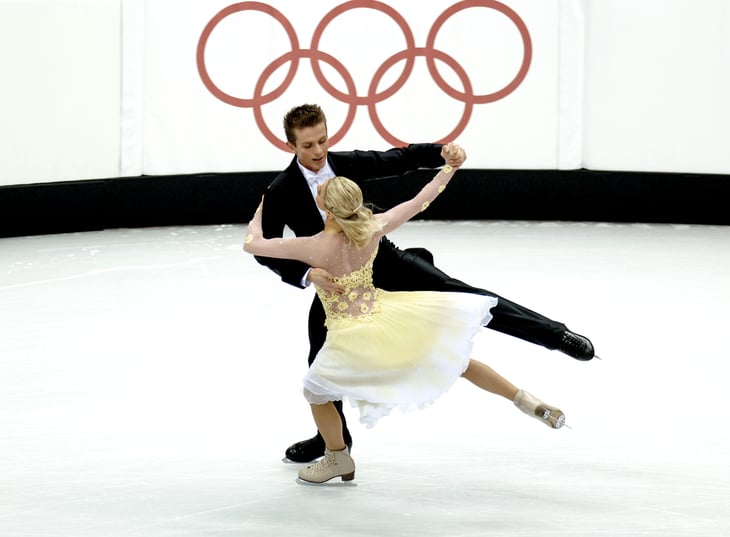
Location: Turin, Italy
Cost: $4.7 billion (in 2022 dollars)
The Torino (Turin) Olympics had lackluster attendance and television ratings, but the money invested in infrastructure was expected to help the Piedmont region (in Italy’s northwest corner at the edge of the Alps) compete with Italy’s bigger tourist destinations such as Florence and Rome.
Organizers said the 2006 Games posted about a 2% loss in the operating budget — which doesn’t account for the money spent on sports venues and infrastructure in the region.

2008 Summer Olympics
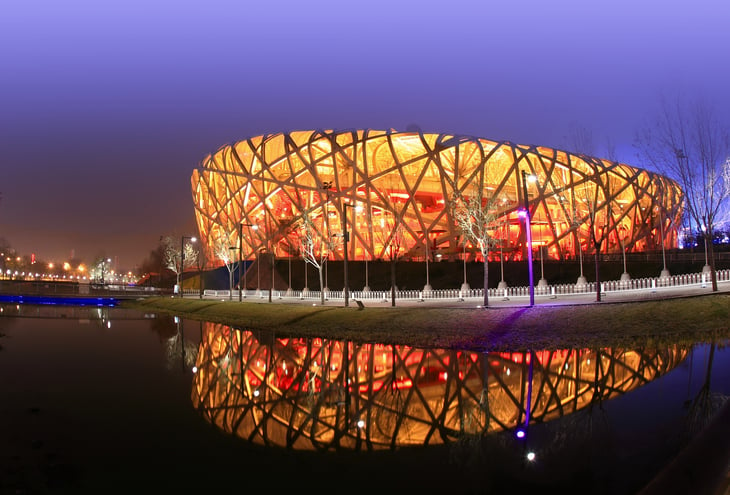
Location: Beijing, China
Cost: $42 billion (in 2008 dollars)
The Beijing Games amounted to a massive coming-out party for the country after three decades of stunning economic growth.
With its massive investment, the Chinese government built and renovated dozens of venues and training centers, including the new National Stadium nicknamed the “Bird’s Nest.” It also made massive upgrades to the airport in the nation’s capital and to its subway and roads.
There was plenty of criticism about the heavy-handed removal of old neighborhoods and their residents in the city to make way for Olympic construction.
Beijing officials have claimed the Games made money, but that depends on whose accounting you believe, as Reuters reported.
2010 Winter Olympics
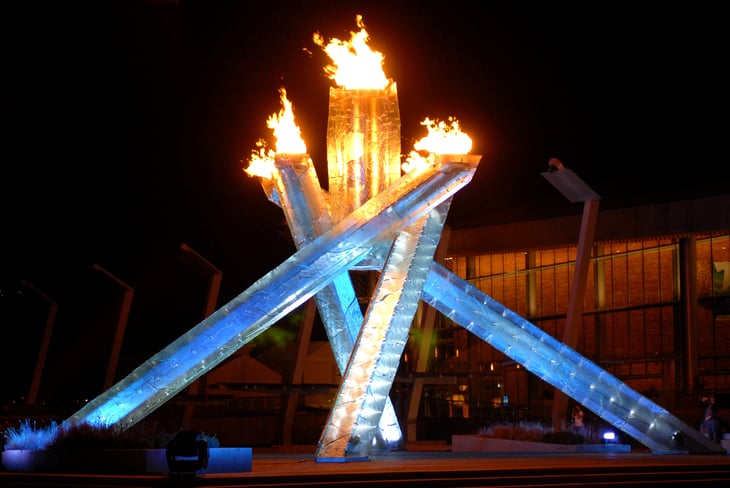
Location: Vancouver, Canada
Cost: $7.6 billion (in 2010 dollars)
Preparations for the 2010 Games were a struggle, taking place amid a global recession that stretched budgets.
According to the CBC, “The expansion of the Vancouver Convention Centre cost $883 million, $388 million over budget. The SkyTrain’s Canada Line linking Vancouver to the airport cost $2.1 billion.”
Four years after Vancouver hosted the Games, a final analysis showed the city broke even between the costs of and revenue from the event.
2012 Summer Olympics
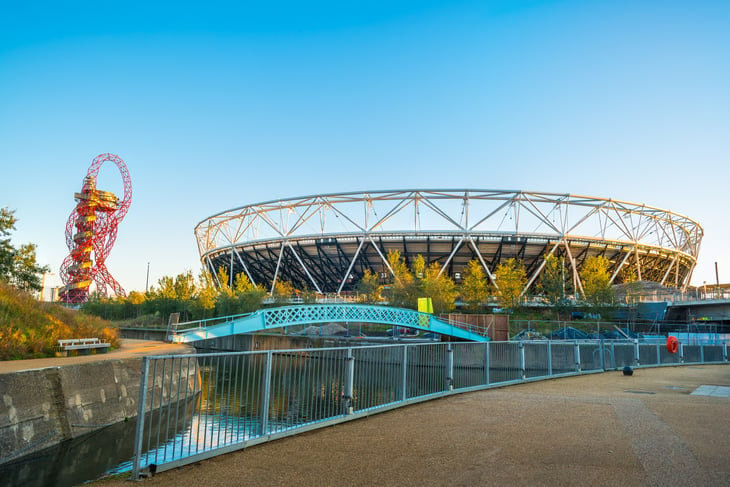
Location: London, United Kingdom
Cost: $16.8 billion (in 2022 dollars)
London spent royally, one could say, to build the 500-acre Olympic Park, including the centerpiece Olympic Stadium. The original budget for hosting the Games swelled about fourfold in the years after the city’s successful bid.
The argument continues over whether the London Games delivered on promises to bring prosperity to some of the city’s poorer communities, according to The Guardian. It reports that in building for the Olympics, the government borrowed heavily from a lottery fund normally used to support charities, and that the money has not been returned.
However, according to the BBC, hosting the events helped the U.K. climb out of the Great Recession.
2014 Winter Olympics
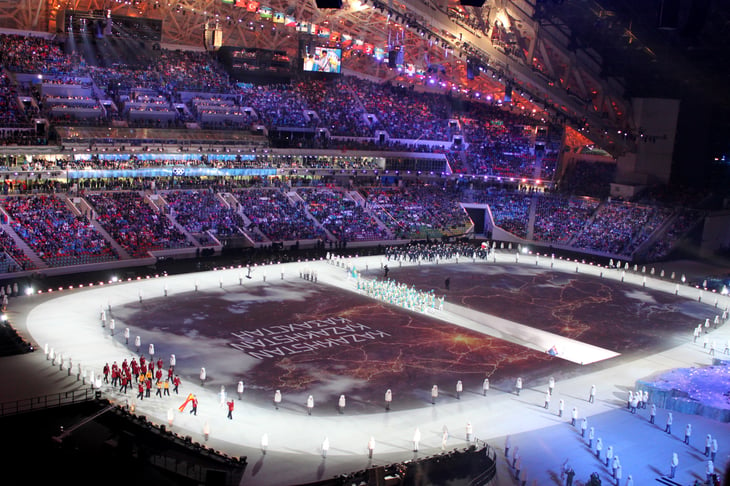
Location: Sochi, Russia
Cost: $50 billion (in 2014 dollars)
The cost of the Sochi Winter Olympics in 2014 blew past even the enormous price tag for Beijing’s extravagant 2008 Summer Games and, according to The Guardian. It was also nearly five times Moscow’s initial estimate of $12 billion for hosting the Games.
Organizers argued that the cost not only transformed Sochi for the athletic events and hordes of tourists, but also paid for much-needed infrastructure upgrades.
But, just about any way you slice it, analysts said billions of dollars were also lost to graft. Critics cited by The Guardian alleged that $30 billion went to kickbacks and embezzlement in the construction process.
According to reporting by The Washington Post, brisk year-round tourism in Sochi is an upside to the enormous cost of building the Olympic facilities and infrastructure.
2016 Summer Olympics
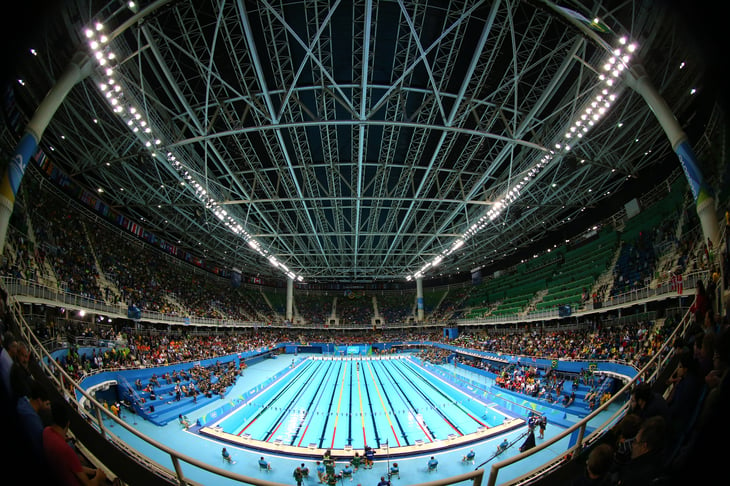
Location: Rio de Janeiro, Brazil
Cost: $13.1 billion (in 2017 dollars)
Rio was the first South American venue to win a bid for the Olympics. Like hosts who came before and after, Brazil paid more than projected — about $13.1 billion, according to an analysis by the Associated Press.
The effort did result in major upgrades to infrastructure — including tunnels, water supply, sanitation and port redevelopment and a new metro line.
But it was also controversial because the construction uprooted many residents — the city claimed the number was in the hundreds, The Guardian reported. Other reports suggest the actual number of people dislocated was in the tens of thousands.
2018 Winter Olympics
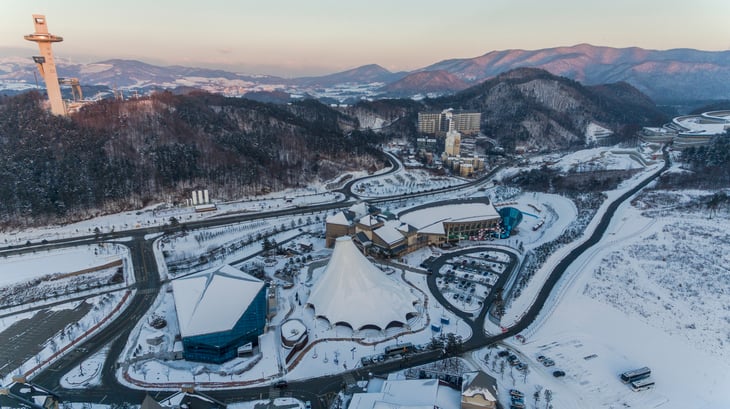
Location: Pyeongchang, South Korea
Cost: About $12.9 billion (in 2018 dollars)
Like so many other places before it that have won the bid to host the Olympics, South Korea forked over far more than it expected to build the facilities and related infrastructure for the 2018 Games in Pyeongchang. Planners initially projected a $7 billion to $8 billion price tag, The Associated Press reported.
Costs included building six new venues and refurbishing six others in the area, according to Curbed. To get athletes and spectators to the area, South Korea also built a brand-new $3.7 billion express train running from Seoul to Pyeongchang.
2020 Summer Olympics

Location: Tokyo, Japan
Cost: $13 billion (in 2020 dollars)
According to the official Olympics website, Japan and Tokyo spent $7.9 billion on venue-related expenditures like permanent venues and temporary infrastructure.
They spent $4.8 billion on service expenditures like competition and venue operations, transportation and security. They also spent $0.3 billion on COVID-19 countermeasures.
2022 Winter Olympics

Location: Beijing, China
Cost: $38.5 billion (in 2022 dollars)
Statista reports that the majority of this money (more than $20 billion) was spent on infrastructure.
The driverless bullet train they built to connect Zhangjiakou to the Olympic venues cost about $9.2 billion. The final $38.5 billion price tag is 24 times the initial budget of $1.6 billion.
2024 Summer Olympics
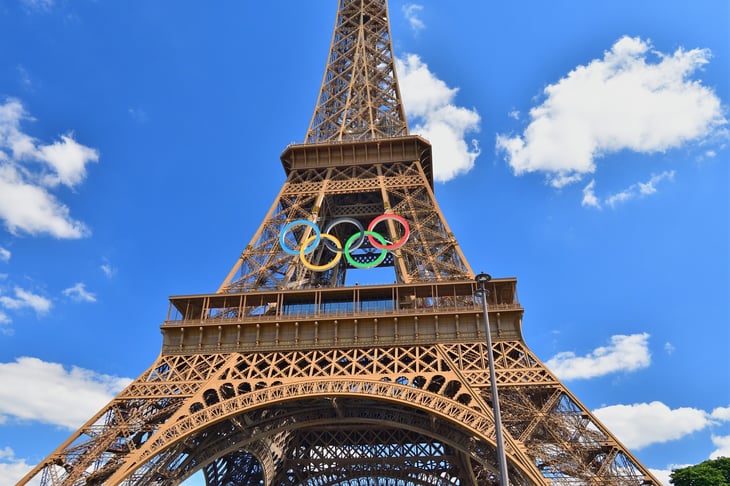
Location: Paris, France
Cost: Approximately $10 billion (in 2024 dollars)
The budget for the Paris Olympics was set at 8.9 billion euros, or about $9.66 billion. S&P Global estimates this should be fairly accurate with total spending coming out to just under $10 billion.
S&P Global reports that about 48.9% of that spending will come from private funding instead of public funding. This makes the financial burden about half the average cost to host the Olympic Games. However, this is an estimate. Official numbers aren’t out as of the time of publication.

Add a Comment