


Editor's Note: This story originally appeared on The Penny Hoarder.
It’s a good time to be a plant.
The plant industry is expected to grow by nearly $31 billion by 2032, as we turn to greenery for everything from decor to therapy, according to a report from the market research firm Technavio.
It’s hard to scroll through Instagram without landing on a houseplant placed front and center in a cozy room, and nurseries appear to have replaced the frozen yogurt shops on every corner of yesteryear.
But houseplants are actually relatively expensive. Prices vary depending on size, maturation and availability. But if you want your home to be filled with plants, you could end up spending a pretty penny — unless you shop smartly. Here are some tips for finding cheap plants online or in a store.
Here are things to do as you start looking for indoor plants and garden plants.
See If There’s a Guarantee

If you’re a beginning gardener, check out The Sill, says David Shell, founder of TradesmenCosts, a home and garden publication based in London.
Every plant sold via this online site comes with simple care instructions and a 30-day guarantee, Shell says.
Figure Out What You Like
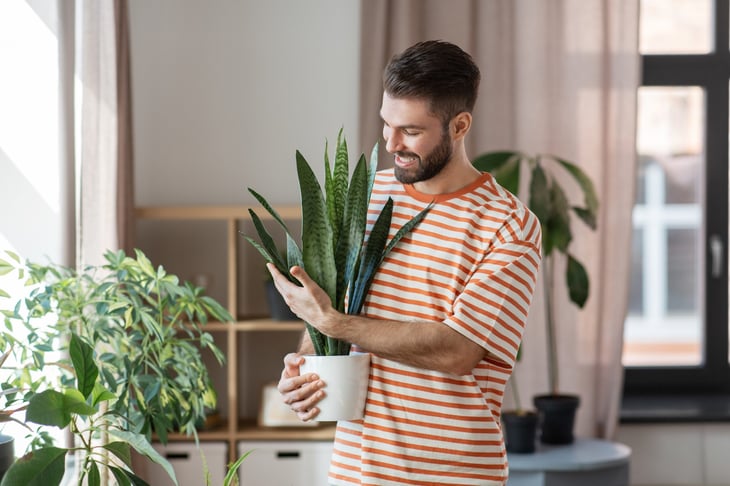
Also try Bloomscape. The plants are shipped directly from the seller’s greenhouse.
“The seller makes it easy to find what suits you best, making it a good place for beginners,” Shell says. “They will help you choose plants according to growing difficulty, your area and whether you have kids or pets.”
Give Yourself Choices
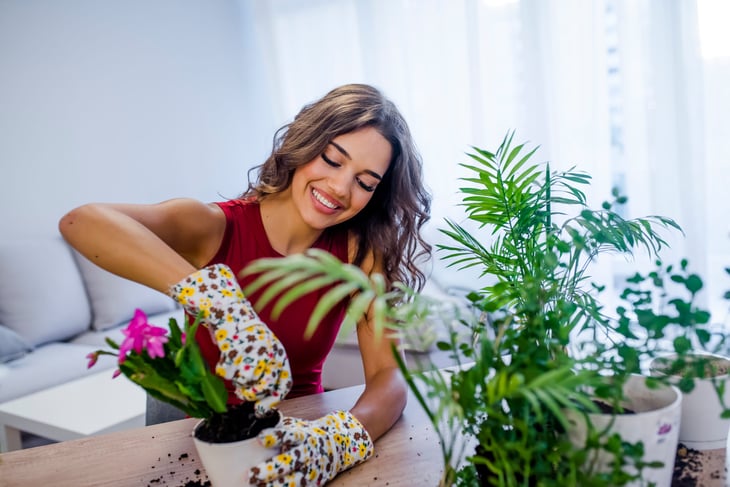
Interested in a variety of cheap plants, not just run-of-the mill greenery? For avocado trees, ferns or rose bushes and much more, check out Nature Hills Nursery.
The shop offers a great selection of grass, flowering plants, fruit plants, perennials and trees. They ship wherever you are and will provide storage, planting and care instructions, Shell says.

Look for Budget Buy Houseplants
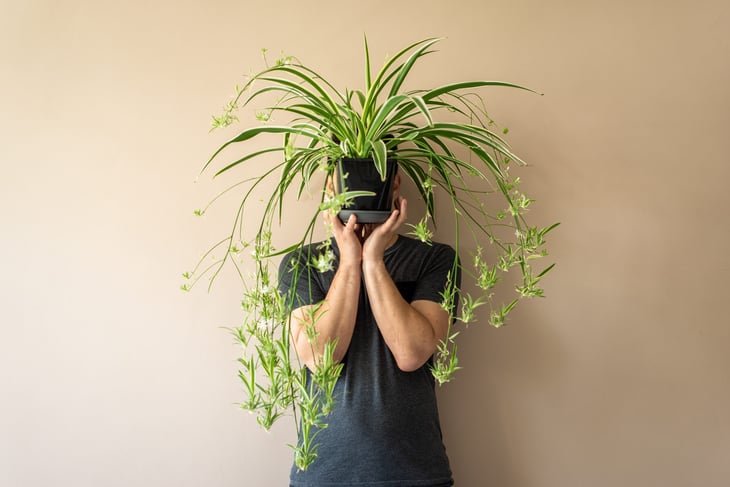
Sturdy houseplants are some of the best cheap plants to buy while figuring out what you like.
Chrysanthemum is the undisputed king of plants in every fall garden, Shell says. It’s not expensive, it has brilliant, festive colors such as pink, lavender, red, orange, yellow and white. Their roots spread and can withstand winter.
In late summer, try Helenium, also known as Helen’s flower. “It’s one of the plants that’s easy to grow and is long blooming,” Shell says.
The Helenium has beautiful autumnal colors, such as mahogany, amber and gold.
If you’re looking for a very sturdy plant, try the Jerusalem Artichoke. It’s an everlasting sunflower with edible tubers. “The sunchoke is one of the most beautiful flowers when in bloom,” Shell says. It can grow up to 8 feet tall during the growing season.
Where to Buy Cheap Plants
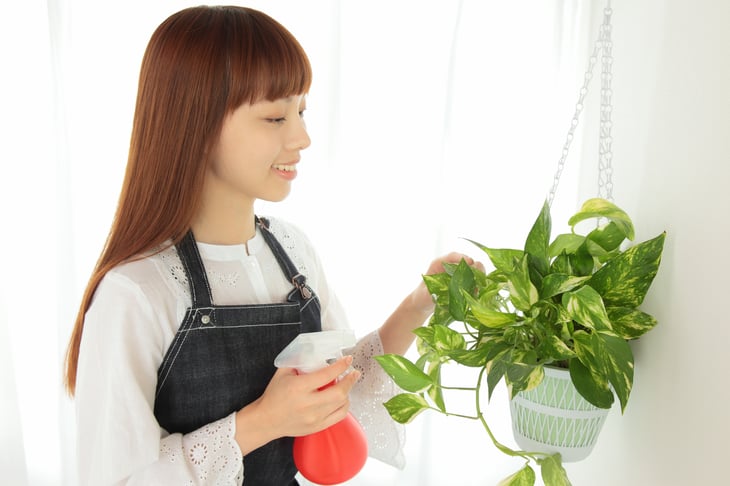
Ready to start shopping? Here are the best places to buy cheap plants in person — and what to look for.
Your Local Nursery
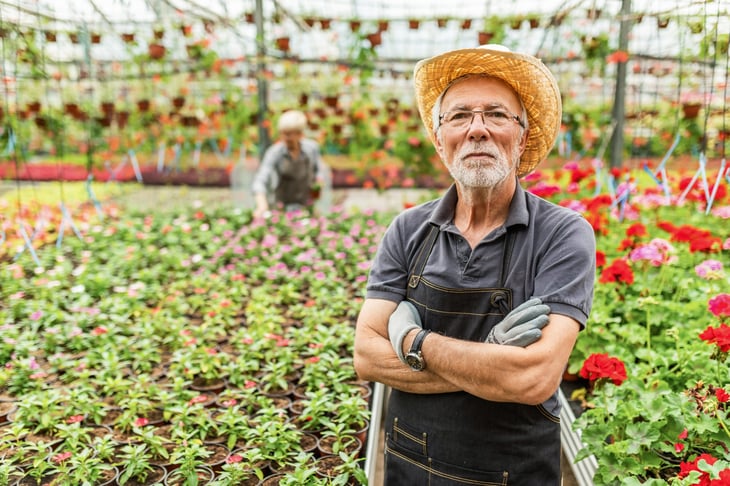
“I love to shop at local nurseries rather than big-box stores for my plants,” says Haeley Giambalvo, a certified Texas Master Naturalist, and owner of Native Backyards, a website about the benefits of native plants.
“If you keep an eye on their weekly sales, you can often score plants at great prices,” she says.
Local garden centers and nurseries also tend to offer a wider selection of native plants. Bonus: Since these plants have evolved in your local area, they have a greater chance of surviving, giving you more bang for your buck.
Big Box Stores

Ikea has a massive plant section that’s half live, half fake plants. You can score the Sansevieria Trifasciata (snake plant) for $13.99 or a Ficus for just $19.99. They also have fantastic inexpensive pots to go with all the plants.
Trader Joe’s is another spot that always has plants, with a selection that changes frequently.
Local Markets
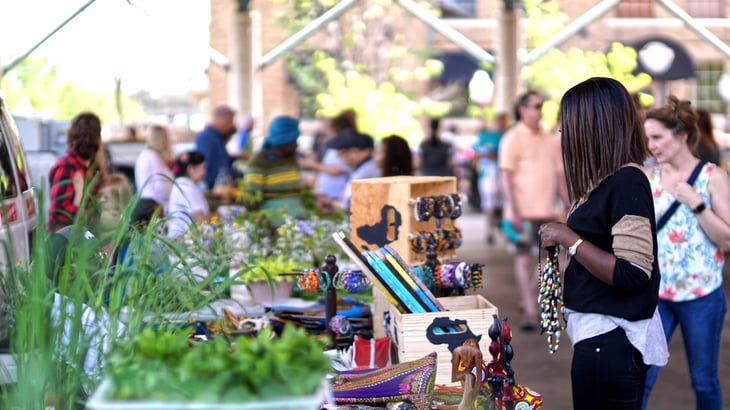
Got a local farmers market nearby? In addition to local produce farmers, many times you can find plant sellers with native plants for sale. (And if you go closer to the market’s closing time, you may be able to wheel and deal on the prices.)
Some extension offices even host plant sales, where you can buy plants from master gardeners at deep discounts.
Cheap Plant Shopping Tips

Want to make your plant budget stretch further? Follow these tips.
Check the Condition Before Buying
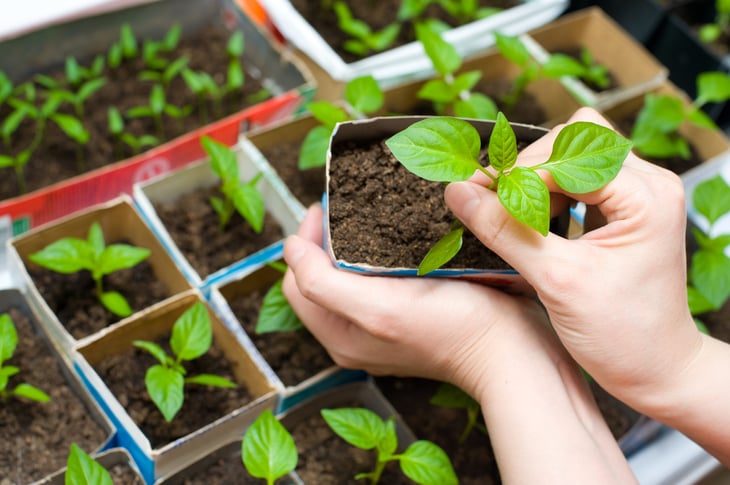
If you’re buying in-store, you should evaluate the condition of the plant, says Rachel Brown, who helps run DIY Garden, a project dedicated to helping people nurture their gardens sustainably.
The leaves should be green, shiny and lush. “Steer clear of plants that are wilting or yellowing, as stressed plants may not recover,” Brown says.
You should also consider the shape of the plant. It should be compact and full, with multiple stems.
With plants, taller is not necessarily better, as it could mean that the plant has been straining for light and has grown thin and spindly. If the plant has a thick or woody stem, make sure there are no cracks or scars, as prior damage could weaken the plant, and be an invitation for disease or insects, Brown says.
Look for Unopened Buds
Although it’s tempting to buy a plant that is already covered in flowers, plants in the bud stage will transplant and thrive better than plants that have already flowered, Brown says.
Look for those with just a few open flowers and lots of unopened buds for a plant that will last longer.
Pick Plants for the Right Season
Found a plant on clearance at the home improvement store? Make sure it’s not discounted because its growing season is over or nearly over.
Keep Growing With These Pro Tips
Finding a good price is just the first step. Here’s how to choose healthy plants, keep them alive and even add variety to your garden without spending more money.
Dirt Is Key
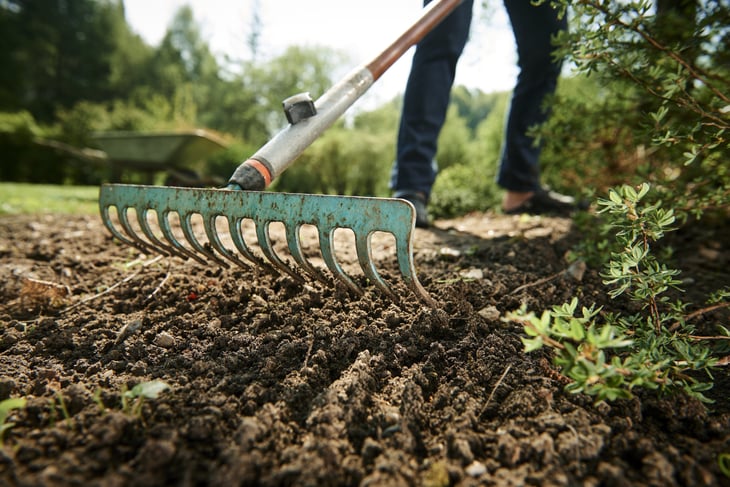
If you purchase common dirt, chances are it contains pests, fungi and weed seeds, Shell says. Potting soil, on the other hand, has organic matter and peat moss.
Paying for good quality soil will help your plants grow to their full potential.
Start From Seeds
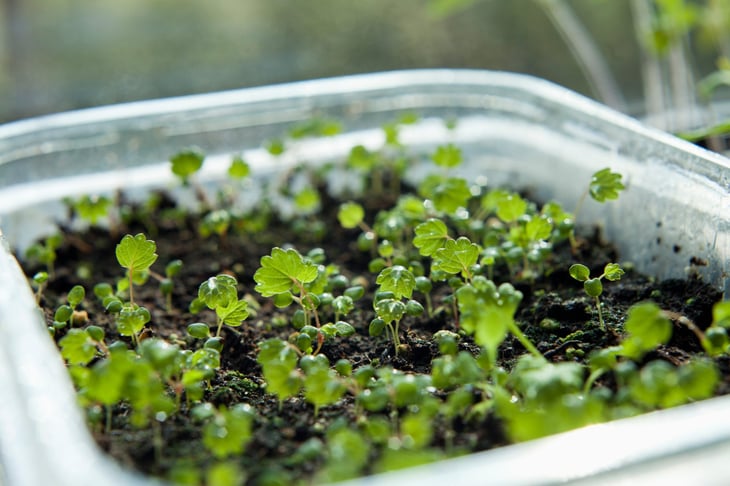
Buying seeds is more economical than buying plants, as you can start an entire wildflower garden with a $3 seed packet. Once the flowers produce seeds, you can collect them to sow your garden for next year for free.
Giambalvo’s favorite online source is Native American Seed, a Texas-based company specializing in 100% native seeds.
Consider Composting
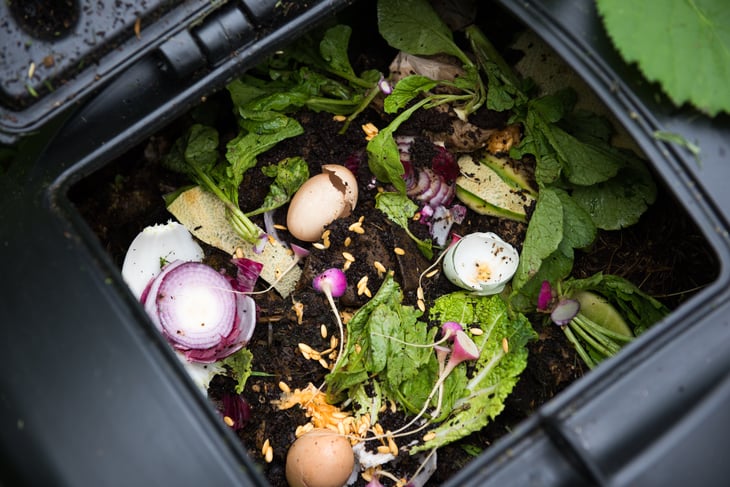
Not only can composting help you make nutrient-rich soil to feed your plants, it can also create a mini-nursery for new plants.
Those seeds of those tomatoes you let get a little old may yield new life in your compost pile.
And the best part? No yard required. Here’s our guide to composting.
Use Cuttings From Friends and Neighbors
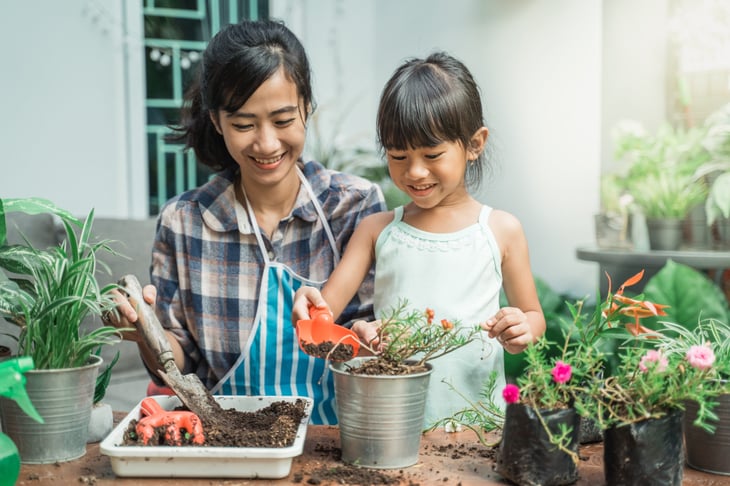
It’s entirely possible to grow a houseplant out of cuttings from other plants.
Place the plant cutting in water to propagate it, and take advantage of products such as rooting powders ($7.97 on Amazon) to increase your greenery’s chances of growth, Shell says. Let the roots adapt to the water, and don’t move your plant cutting immediately. Slowly, add soil to the water to help the plant acclimate to its new home.
“Use a plastic zipper bag as the mini-greenhouse for your rooting plants,” Shell says. “Place the plant into the bag and only zip it partway — the moisture will be able to get in and out, and will accommodate your greenery nicely.”
Don’t have green-thumb friends? You can purchase a plant clipping mystery box on Etsy.
Rely on Free, Local Resources
Don’t hesitate to ask local resources about cheap plants as well. Your local university extension office is a wealth of information on food safety, nutrition, fitness and more.
That “more” includes gardening resources like soil testing, lawn care and landscaping design, pest control and beekeeping.

Add a Comment