


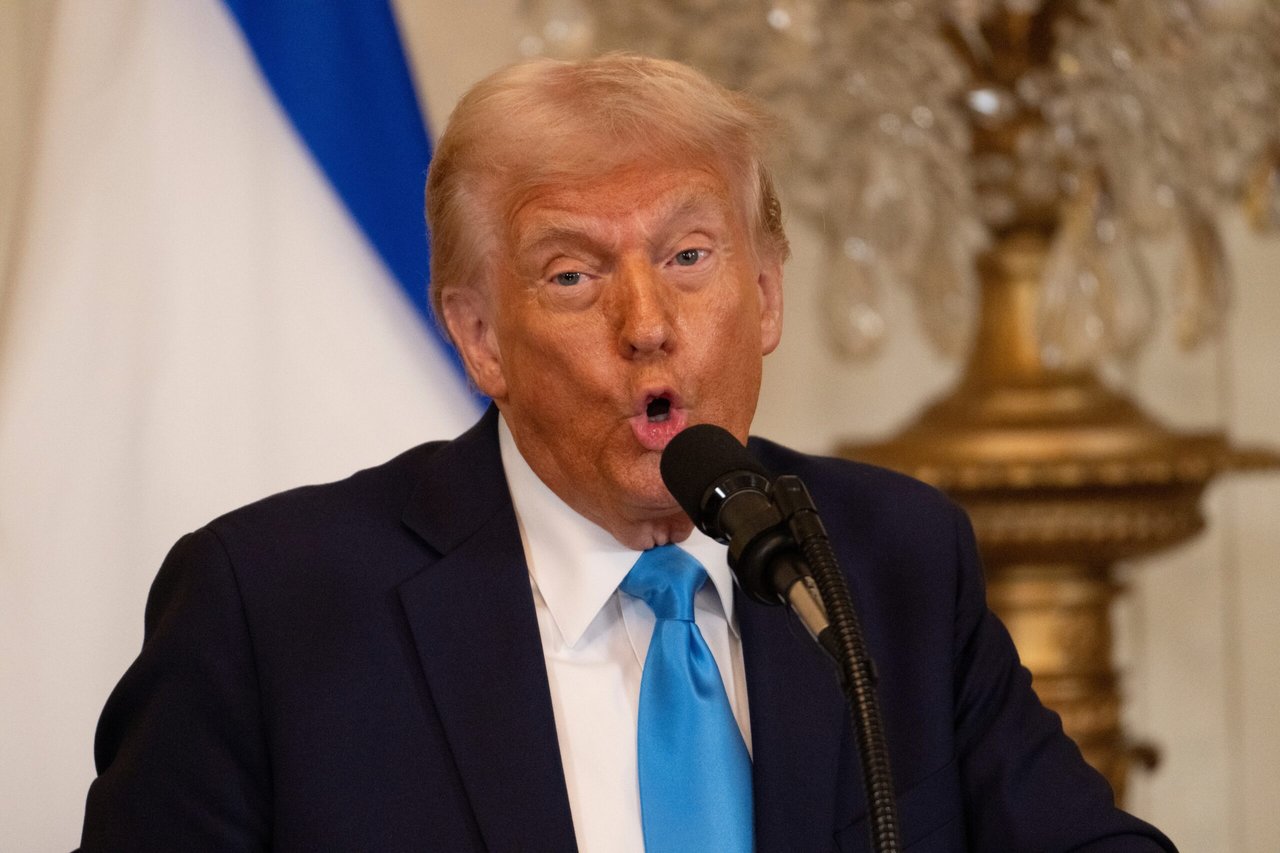
In a surprising political pivot, former President Donald Trump has indicated he’d support increasing taxes on the wealthiest Americans.
His proposal would restore the top marginal tax rate to 39.6% for individuals earning $2.5 million or more annually, up from the current 37% that was set during his own administration.
Trump reportedly pressed House Speaker Mike Johnson to consider the tax increase during a phone call, suggesting it could help preserve Medicaid and tax cuts for middle- and lower-income Americans.
Later, on his Truth Social platform, Trump wrote he would “graciously accept” the tax increase to benefit working-class Americans, adding, “Republicans should probably not do it, but I’m OK if they do!!!”
Why Trump is considering a tax hike now
This potential tax increase comes as Republicans are wrestling with how to fund their spending and tax package. The current 37% top rate was set by the Tax Cuts and Jobs Act (TCJA) of 2017 — a law passed during his first term as president — which knocked the rate down from 39.6%.
And without new action from Congress, most of those TCJA provisions are set to expire after 2025.
While the current 37% tax rate kicks in for single filers earning over $626,350 in taxable income in 2025, Trump’s proposal would only affect those making $2.5 million annually or more. Focusing on just the ultra-high earners might make the proposal more politically palatable and still bring in some much-needed cash.
How today’s tax rates compare historically
The proposed 39.6% rate isn’t exactly a new idea in American tax policy — in fact, that was the rate from 2013 to 2017, right before the TCJA changed things. And if you look further back in tax history, you’ll see even more dramatic rates.
During the early 2000s, the top rate was 35%. But go back further, and American top tax rates were significantly higher:
- 94% during World War II (1944-1945) — the highest in U.S. history
- 70% or above throughout much of the mid-20th century
It’s tough to make direct comparisons across different eras, though, because things like income thresholds, deductions, and tax credits have all changed a lot.
Will Republicans support the proposal?
Even with Trump signaling he’s open to it, the idea faces an uphill battle. Most Republican lawmakers are still staunchly against any tax increases.
That said, since they control Congress, Republicans could technically push such a law through using a process called reconciliation, which only needs a simple majority in the Senate.
The real problem here is that their spending and tax package comes with a multi-trillion-dollar price tag, and figuring out how to pay for it all has been tough.
Even with this proposed tax hike on the ultra-wealthy, there would still be big funding gaps to fill.

What this would mean for taxpayers
If implemented, this restoration of the 39.6% top rate would mean a modest 2.6 percentage-point jump from the current 37%. And since it only targets incomes above $2.5 million, very few Americans would actually see a change, but it would bring in some cash for other priorities.
This approach tries to balance the fiscal realities with protecting middle- and lower-income taxpayers from tax hikes. For ultra-high-income earners, it would simply mean going back to the tax rates they were paying before 2018.
As Republicans in Congress weigh their options, this proposal underscores the tricky trade-offs in tax policy. It also highlights the ongoing challenge of funding government programs while keeping promises to different groups of taxpayers and voters.

Add a Comment