


Editor's Note: This story originally appeared on The Penny Hoarder.
Evacuating is the safest way to guarantee your safety when a hurricane threatens, but it can also be expensive.
And more than half of Americans can’t cover an emergency expense over $1,000, leaving millions of people stranded in the path of a hurricane when a mandatory evacuation order goes out.
How Much Does It Cost to Evacuate From a Hurricane?

Estimates vary for the cost of hurricane evacuation, but most Americans in coastal states will spend anywhere from $1,200 to $5,000 to evacuate during a hurricane.
The largest reason for this discrepancy is lodging; evacuees who stay with friends and family spend less than those who ride the storm out in a hotel.
So why is it so expensive to evacuate from a hurricane or tropical storm?
- Hotel or Airbnb stays make up the largest expense, especially if you have to stay out of your city for several days.
- Gas prices surge during hurricanes, thanks to supply and demand. That’s a tough reality, seeing how high prices are now.
- It’s always cheaper to eat at home than to dine out, but when you’re evacuating, you may eat three meals out each day.
- While salaried employees will likely continue to be paid when evacuating (and may even be able to work remotely), Americans who work hourly jobs requiring their physical presence will suffer from several days of lost wages. If their business temporarily stays closed in the aftermath due to damage, employees will face even more lost wages.
Regardless of how much it costs to evacuate from a hurricane, it is crucial that those in the path of the storm, especially those in high-risk areas for flooding and storm surge, heed mandatory evacuation orders.
If you don’t have emergency savings to cover your expenses, it’s a good idea to have an emergency credit card only to cover these expenses when you and your family members are in danger.
When Is Hurricane Season?
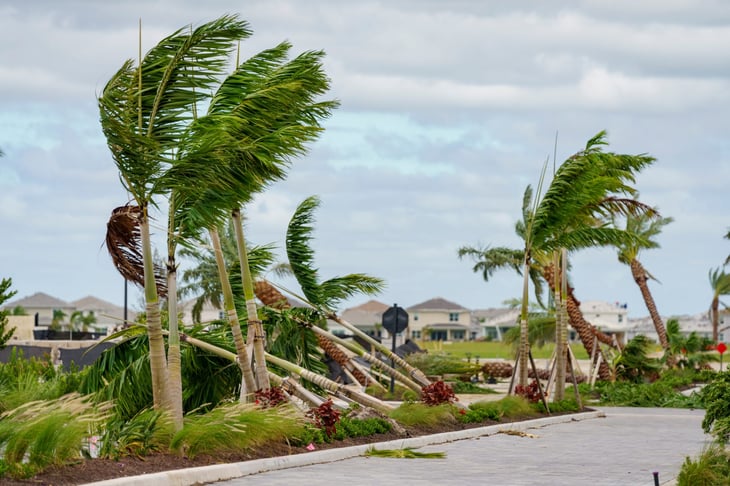
The Atlantic hurricane season runs from the beginning of June through the end of November, with a sharp peak in late August through September. In Hawaii, the central Pacific hurricane season also runs from June 1 to Nov. 30, but it’s rare that Pacific hurricanes make landfall on the island state.
As of April, Atmospheric G2 and The Weather Company predict the 2025 Atlantic hurricane season will be above average. The predictions include 19 named storms and 9 hurricanes.
Southern states like Florida, Louisiana, Georgia, North and South Carolina, Alabama, Mississippi and Texas are all at risk during hurricane season. Residents of these states should be familiar with their hurricane evacuation options, including knowing evacuation routes and packing evacuation kits, before the start of each season.
Mid-Atlantic and even New England states can also be in the path of hurricanes. Hurricane Sandy in 2012 was the third-costliest hurricane in the U.S. and famously ravaged areas like New York City and the Jersey Shore.
Hurricane Evacuation Preparedness
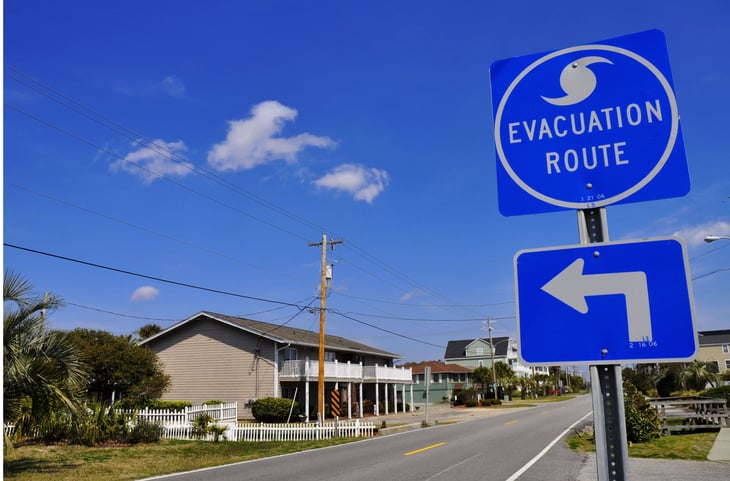
It’s important for those in at-risk states to have an evacuation plan.
The National Weather Service recommends that residents familiarize themselves with their evacuation zone, know their evacuation route (and plan several alternative evacuation routes, just in case), have a go-bag already packed and have a plan for their pets — all in advance.

Know Your Evacuation Plan

States have their own maps and guides for citizens to use during a natural disaster. For example, Florida has a helpful resource for residents to find their evacuation zones and routes. These can change from year to year.
We recommend using this information to type and print your own plan and put it somewhere safe or maybe hang on the fridge. Make sure your whole family has access to these evacuation instructions digitally and knows them in-depth well before that first hurricane warning.

Set Money (Including Cash) Aside

If possible, build up your emergency savings during the off-season so that you have money to draw from should you need to evacuate.
While having a credit card for emergency hotel stays is smart, you should also have cash ready to go, in case ATMs are unavailable during power outages.
Pack a Hurricane Evacuation Kit
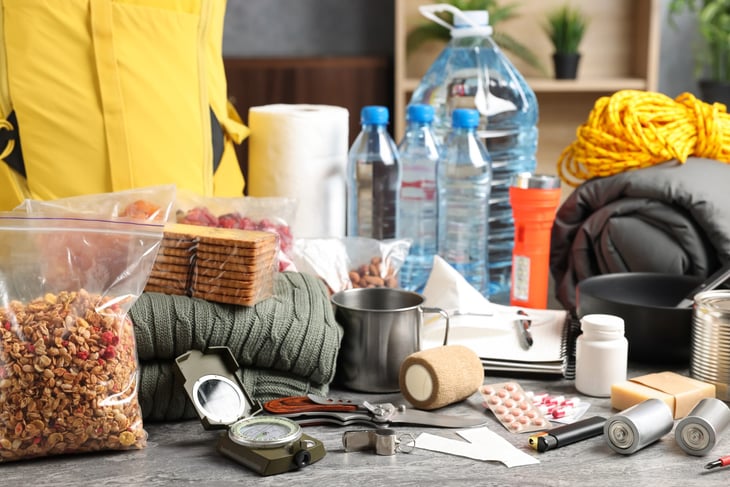
Pack your emergency kit now so it’s ready to go at the first sign of a hurricane or tropical storm. FEMA recommends packing the following items:
- Bottled water
- Non-perishable food items
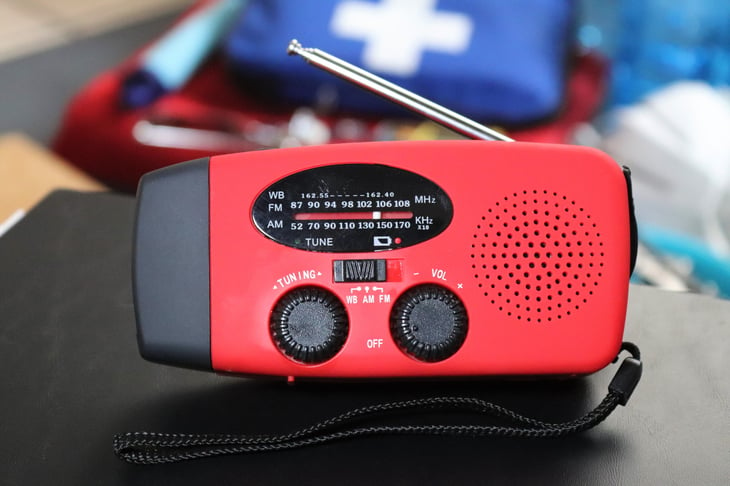
- Flashlight and hand-crank radio (and batteries)
- First-aid kit, medications and personal hygiene items
- Smartphone with charger
- Copies of personal documents, including government-issued ID and passport, medical records, insurance policies, proof of address and birth certificates
Listen for Evacuation Orders
If you are able to evacuate and feel that you should, you don’t have to wait for official orders. However, you should heed any mandatory evacuation order.
If you have not received orders to evacuate and are on the fence about leaving, consider your home’s construction and location.
Homes in newer subdivisions built under current construction guidelines and with hurricane shutters are generally safe from high winds.
If your home is not at risk of a storm surge, experts recommend staying put. By sheltering in place, you’ll save precious hotel and shelter space for people whose homes are in greater danger of flooding.
But if you are in an at-risk area, live in a mobile home or are under a mandatory evacuation, hit the road as soon as you can.

How to Evacuate During a Hurricane on a Budget
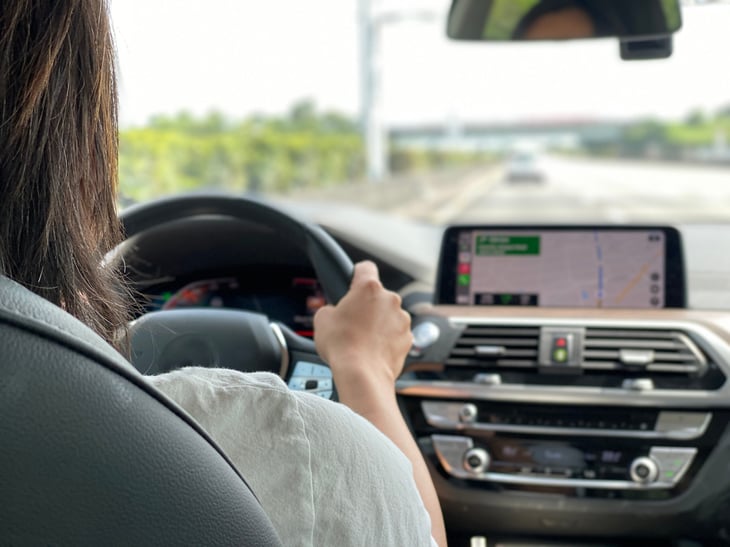
Having emergency savings set aside and your routes mapped out is easy enough if you have the money. But what if you don’t have the funds to plan ahead?
If you’re outrunning a hurricane or tropical storm without much money, there are a few ways to keep costs down during a hurricane evacuation.
1. Have Gas at the Ready

Gas stations raise prices during hurricane evacuation, and gas itself can be hard to find. A little bit of planning can help you avoid the high cost of gas — and can keep you from being stranded.
Every time you fill up your car at a gas station, fill a gas can too, just in case. If you don’t end up needing it before an emergency, empty it into your gas tank right before your next fill-up, and then refill the can.
Here are some tips on storing gas safely.

2. Stay With Friends and Family

If you are fortunate enough to have friends and family away from the path of the storm, ask if you can stay with them instead of at an expensive hotel.
And you don’t always have to drive hundreds of miles to get out of harm’s way. Oftentimes, a few dozen miles is all it takes to avoid the worst of a hurricane; you may have friends just a few cities away who can offer space on the couch.
3. Use a Credit Card

In general, it is a good practice only to use a credit card if you can pay it off each month. Otherwise, you will accumulate credit card debt, which can be almost impossible to pay off, especially if you live paycheck to paycheck.
However, if you have a credit card for emergencies, this is the time to use yours. If a credit card is your only ticket out of a hurricane’s path during evacuation, swipe it.
Just be smart about your spending: Stay at budget hotels and keep food expenses low by buying non-perishables at a nearby grocery, instead of eating out.

4. Look for Lodging Alternatives

In 2012, Airbnb launched Open Homes, a disaster relief program that encourages Airbnb hosts to provide free temporary shelter for those affected by natural disasters. The program is still operational. During an evacuation, see if you can find a free lodging option via Open Homes.
In recent years, social media sites like Facebook have connected evacuees with families willing to open their homes. There are inherent risks involved with staying with strangers, but if you have nowhere to go, it’s an option to consider.
5. Drive in Shifts

If you can’t afford a hotel and don’t have any friends or family who can house you, you might be able to stay on the road.
Drive in shifts with others in your group until you find a safe and legal place to pull over for a nap, ideally a rest stop if permitted by local or state laws.
Of course, you’ll need to consider the price of gas to determine whether this is cheaper than a hotel. Likely, it will be, especially if you are traveling with a family.

What to Do If You Can’t Afford to Evacuate From a Hurricane
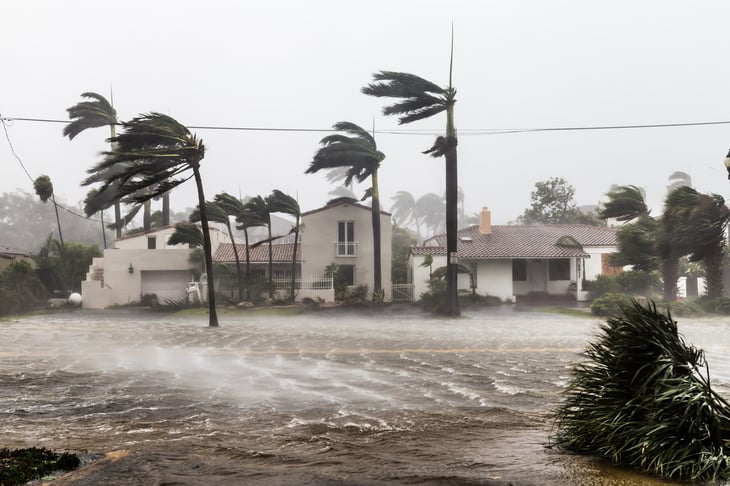
Unfortunately, not everyone has the emergency savings or credit card, access to a vehicle or kindness of friends and family to count on during a hurricane.
So what do you do if you truly cannot afford to get out when a hurricane is heading your way?
1. Find a Hurricane Shelter
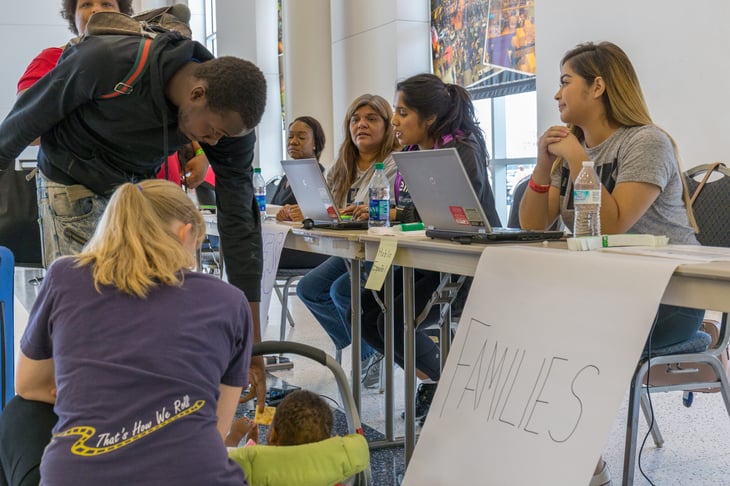
Well before the hurricane makes landfall, check into a hurricane shelter. If you live in a coastal community that is often threatened by storms, your city likely has designated spaces for you to go.
Check out the Red Cross website to find a nearby hurricane shelter — and yes, you can find a shelter that allows you to bring service animals and beloved pets. Check ahead on this, though, because some don’t.
If you don’t have a way to get to a hurricane shelter, contact local authorities using the non-emergency line. They should be able to offer assistance.
Remember: It’s better to act early, well before the hurricane hits, to ensure that someone is able to assist you.
2. Ask Neighbors and Community Members

Social media is a useful resource during an emergency.
If you are a part of a group for your neighborhood or city, you can typically post in that group to ask for a ride with a neighbor, either out of the city altogether or at least to a nearby shelter. Other members in the group may already be posting to offer assistance.

3. Shelter in Place

If your city or state is under evacuation orders, do everything in your power to heed the warning. However, if you have no other option financially, you can shelter in place.
But make sure you have everything you need well before the storm hits to ensure your family’s safety.
4. Gather Supplies
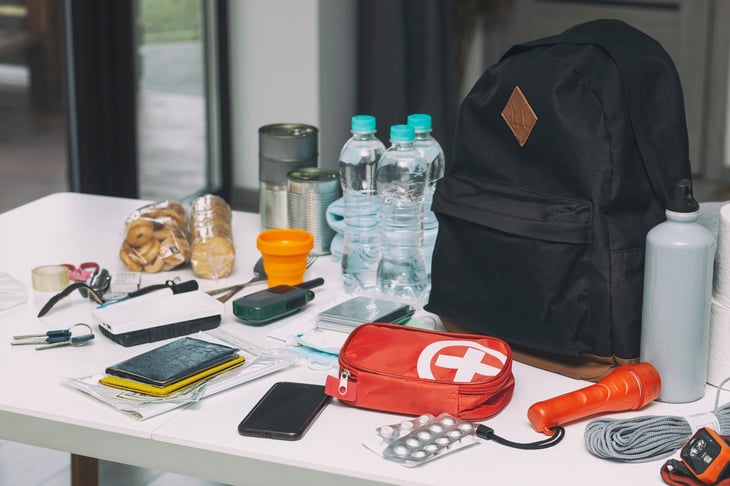
First and foremost, make sure you have ample water. FEMA recommends 1 gallon of water per person per day for 14 days when sheltering in place.
If you live in a coastal city, it’s a good idea to ensure your home is already stocked with bottled water. This water is used for drinking, cleaning up, flushing toilets and washing dishes.
You also need nonperishable food, like trail mix, jerky, protein bars, peanut butter and bread, and other shelf-stable foods. Avoid anything that can spoil or needs to be refrigerated or heated up, as you will likely lose power.
Make sure you have all your regular medicines, plus a first-aid kit.
Finally, grab blankets, flashlights (and extra batteries) and an emergency battery-powered radio. These should all be a part of a hurricane emergency kit that you have assembled well before hurricane season begins; the evacuation kit described earlier in this piece can double as your shelter-in-place kit, if needed.

5. Prep Your Home
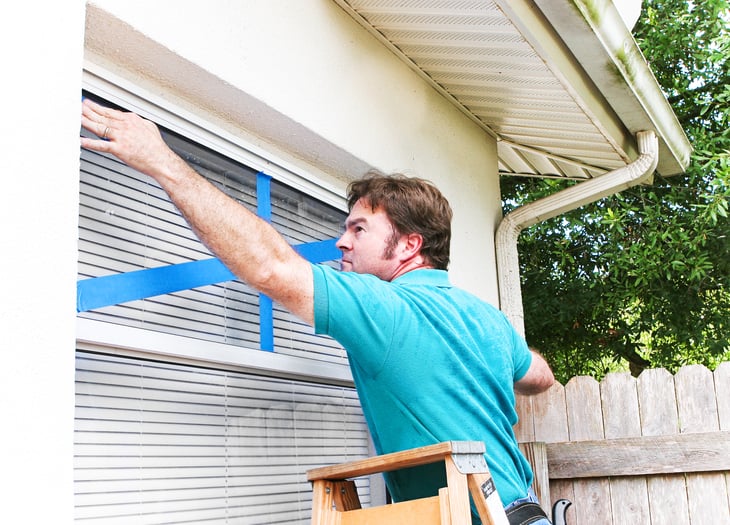
Before the winds and rain pick up, clear your yard to ensure there is no loose debris or lawn furniture that could crash through your windows or damage your car.
If you have a car, park it somewhere safe; here’s a hurricane preparedness checklist for your car to help you out.
Board up windows and doors with plywood or storm shutters, and, before the storm hits, turn off your power.
6. Get Into a Safe Position

If you live in a multistory home, go to the highest level to ride out the storm. Stay away from windows; if there is an interior space without windows that is large enough to accommodate your family, stay here as the storm passes over.
Once the storm has passed, stay alert for emergency crews. It may take several hours or days before they can reach you.

7. Stay Inside
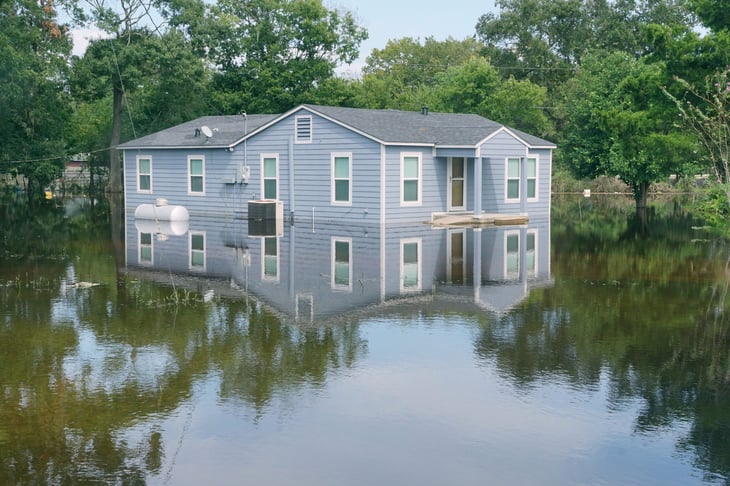
It can be tempting to explore after the storm passes, but it can be dangerous outside your home even after the hurricane has ended. Watch for broken glass, downed power lines and standing water.
Standing water poses the biggest threat, as it can actually hide downed power lines, dangerous oceanic animals and more. Your safest bet is to wait for emergency crews and/or the all clear from officials.
How to Get Financial Assistance After a Hurricane

The U.S. government has programs in place that offer financial assistance to individuals and families who have been impacted by a natural disaster, including hurricanes.
You can apply for aid with the Federal Emergency Management Agency (FEMA), through the Individuals and Households Program (IHP).
This assistance can include money for:
- Temporary housing if your home is currently uninhabitable (or a temporary housing unit if approved for the disaster)
- Helping repair or replace your home
- Hazard mitigation assistance (that is, making your home safer for future hurricanes)
- Other uninsured costs resulting from the hurricane
Government aid isn’t your only option. If you’re a homeowner, review your homeowners insurance policy to see what coverage you have. You’ll likely have to meet a deductible, but outside of that, your policy should foot the bill for covered repairs.
Similarly, if you’re a renter and your unit becomes uninhabitable following the hurricane, your renters insurance should provide funds for a temporary residence while your rental unit is being repaired.


Add a Comment