



Bird flu is in the news, with cases cropping up in both wild and domestic animals and including a few cases in humans. So far, though, the disease — caused by the H5N1 virus — has spread mostly among birds and dairy cattle.
Concern is understandable given the history of severe flu contagion. Most notably, in the early 20th century, a flu pandemic swept the world. Between spring 1918 and spring 1919 alone, 550,000 people in the United States and more than 20 million worldwide died.
The Centers for Disease Control and Prevention says the current public health risk is low, and you can protect yourself even further by knowing what is and isn’t safe to eat.
How bird flu spreads
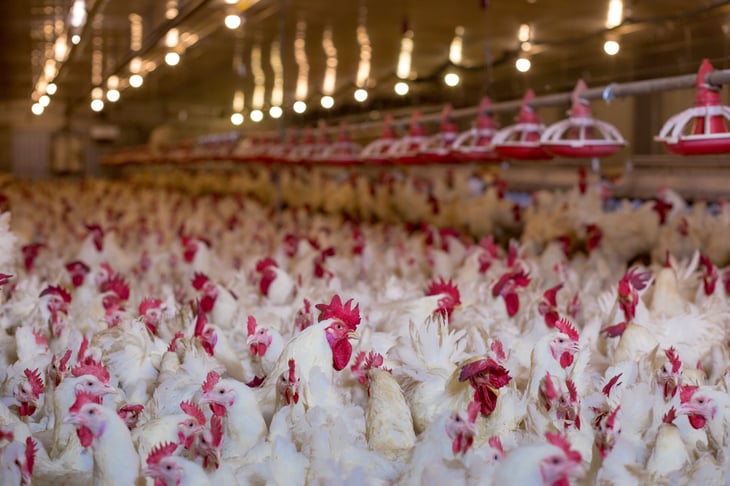
Bird flu currently is widespread among wild birds and poultry, reports the JAMA Patient Page, which is a service of the American Medical Association. It has been found among domestic dairy herds, wild animals and even a few household pets.
The virus spreads when fragments enter a nose, mouth or eyes. The illness isn’t necessarily severe among humans, but it can be. In January, the first U.S. human death from bird flu occurred in Louisiana.
There’s no evidence of human-to-human transmission in the U.S. so far, but doctors have encountered a few patients who have tested positive for bird flu without any known exposure to animals.
Misinformation can be rife, so watch for updates from credible sources, like the CDC’s bird flu information site.

Who’s most at risk?

Recent human cases of the bird flu have occurred among workers at dairy and poultry farms. If you raise backyard chickens or keep other birds at home, follow CDC safety guidance.
Bird flu symptoms can include breathing problems or red eyes for up to 10 days after you’ve been exposed.
Treatment — typically with a drug called oseltamivir (Tamiflu) — should begin within 48 hours after exposure, according to the JAMA Patient Page.

Are eggs safe to eat?
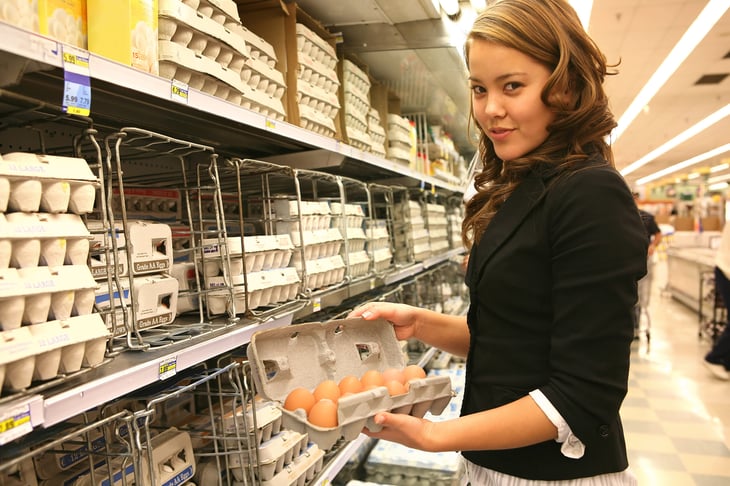
Cooking with high heat destroys the bird flu virus.
Fresh eggs, whether from the grocery store or neighborhood egg stand, are safe from bird flu and other diseases (like salmonella, which causes food poisoning) when you follow U.S. Food and Drug Administration guidelines for buying, storing, handling, cooking and serving eggs.
For instance:
- Before buying eggs, open the carton to check that all are unbroken.
- Buy only refrigerated eggs, even at a farm stand.
- Store your eggs at or below 40 degrees Fahrenheit.
- Cook eggs until both whites and yolks are firm.

Is it safe to eat poultry and pre-roasted chicken?

The key to safely cooking and handling chicken is the same, whether you’re avoiding bird flu or salmonella poisoning: Follow safety guidance with care.
Maybe your mom told you to wash raw chicken before cooking. Well, forget that. Washing can splash and spread contamination around the sink and kitchen. Instead, keep meat in its package until you place it directly in the pan.
Consumer product testers at The Spruce have guidance for safely cooking and handling raw poultry. Get a meat thermometer and cook chicken, even ground poultry, to at least 165 degrees Fahrenheit throughout.
What about grocery store roasted and rotisserie chickens?
“Even precooked rotisserie chickens can be inadvertently contaminated with germs,” says Consumer Reports. To be safe, reheat store-bought roast chickens to an internal temperature of 165 degrees Fahrenheit.

Is it safe to eat or drink dairy products?
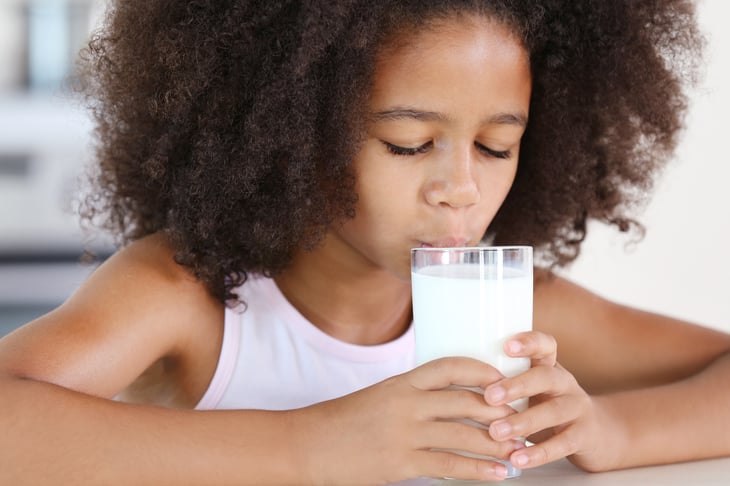
It’s safe to drink milk and eat dairy foods made from milk — with a big IF, experts say: Milk is safe to consume if it has been pasteurized. The same’s true of cheese and other dairy foods if they’re made from pasteurized milk.
The U.S. Food and Drug Administration explains:
“Even if the virus is detected in raw milk, the current pasteurization process (HTST — High Temperature, Short Time) will inactivate the virus.”
But raw milk is risky. The CDC says:
“Unpasteurized (raw) milk and dairy products made from it (e.g., cheese, yogurt, ice cream) can be contaminated with germs that can cause serious illness, hospitalization, or death.”

Is pet food safe from bird flu?

Poultry is a popular ingredient in pet foods. Can pet owners ensure their animals’ safety?
Keep pets safe from contaminated products. Don’t feed them raw meat or raw pet foods, especially poultry, says GoodRx.
Northwest Naturals, an Oregon pet food maker, voluntarily recalled a raw food product in December after it tested positive for the avian influenza virus.
And two pet cats died recently in California after they were fed raw milk that had been recalled for contamination with the H5N1 virus. A third cat became ill but survived. Meanwhile, more than a dozen cats apparently died after eating contaminated raw pet food.


Add a Comment