


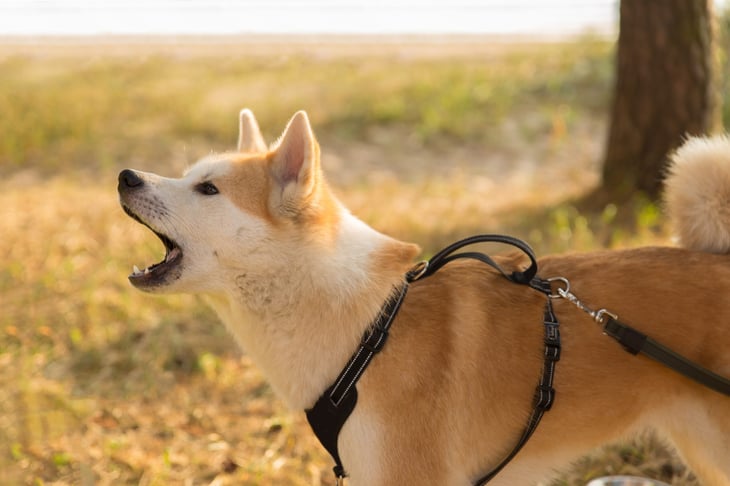
A good guard dog brings both a friend and peace of mind into your life.
Homes with dogs experience property crime at rates between 1.40 and 1.71 percentage points lower than homes without, according to research from the University of Louisville.
Which dogs are most effective at guarding their family’s home? Money Talks News reviewed breed statistics from the American Kennel Club to find the answer.
Here are some of the top guard dog breeds, along with their AKC scores for protective nature, barking level and trainability.
Barbado da Terceira
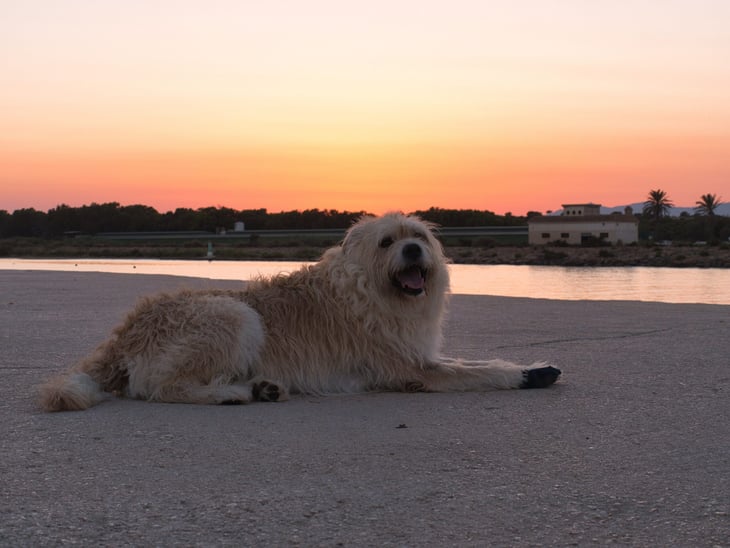
Protective nature: 5 out of 5 (with 5 being the most vigilant)
Barking level: 1 out of 5 (with 5 being the most vocal)
Trainability: 5 out of 5 (with 5 being the easiest to train)
The Barbado da Terceira is one of the oldest dog breeds of Portuguese origin, bred to herd cattle and livestock. This joyful and fun-loving dog is known for its loyalty and protective nature.

Presa Canario
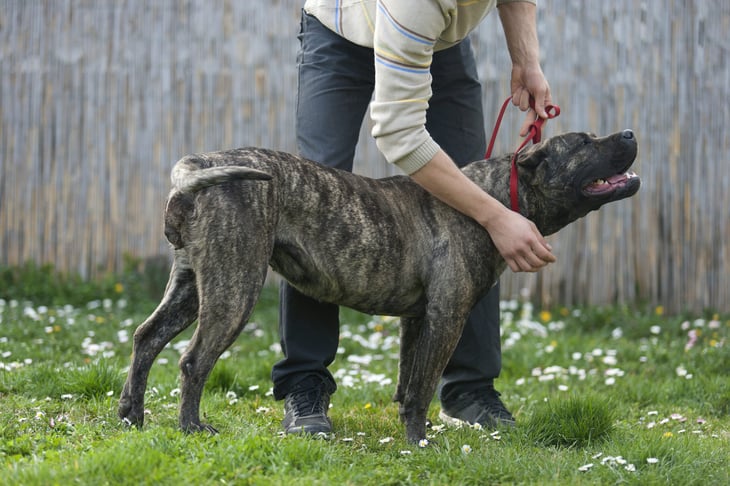
Protective nature: 5 out of 5 (with 5 being the most vigilant)
Barking level: 3 out of 5 (with 5 being the most vocal)
Trainability: 3 out of 5 (with 5 being the easiest to train)
Presa Canarios are calm; however, this Spanish breed of large dog isn’t particularly affectionate with its human family members, children, strangers or other dogs. Nor are they very playful. Still, they are obedient and relaxed with the owner they’re dedicated to.

Bullmastiff
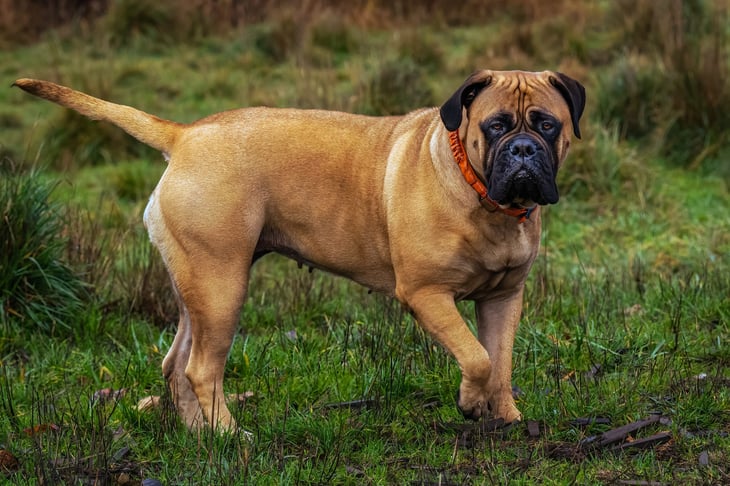
Protective nature: 5 out of 5 (with 5 being the most vigilant)
Barking level: 1 out of 5 (with 5 being the most vocal)
Trainability: 4 out of 5 (with 5 being the easiest to train)
Bullmastiffs were first bred by British gamekeepers in 1860 to protect estates against poachers. Although protective, they’re considered loyal and affectionate toward family members they trust, making them good with children and other dogs. They respond well to commands when properly trained, but puppies can develop a habit of knocking over friends and family without that training.

Akita
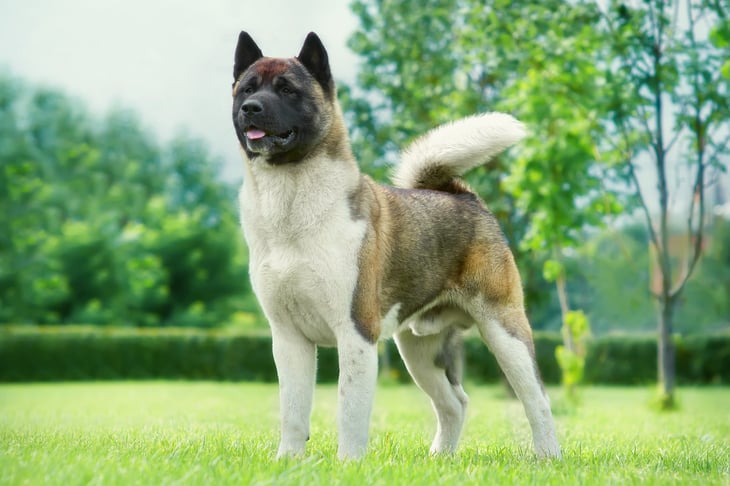
Protective nature: 5 out of 5 (with 5 being the most vigilant)
Barking level: 2 out of 5 (with 5 being the most vocal)
Trainability: 3 out of 5 (with 5 being the easiest to train)
Akitas also less likely to bark, snore and dig around your yard.
Akitas were originally bred as working dogs in the mountains of northern Japan. The Japanese government went on to designate the breed as a “natural monument” in 1931, and Helen Keller brought the first Akita to America a few years later.

Doberman pinscher
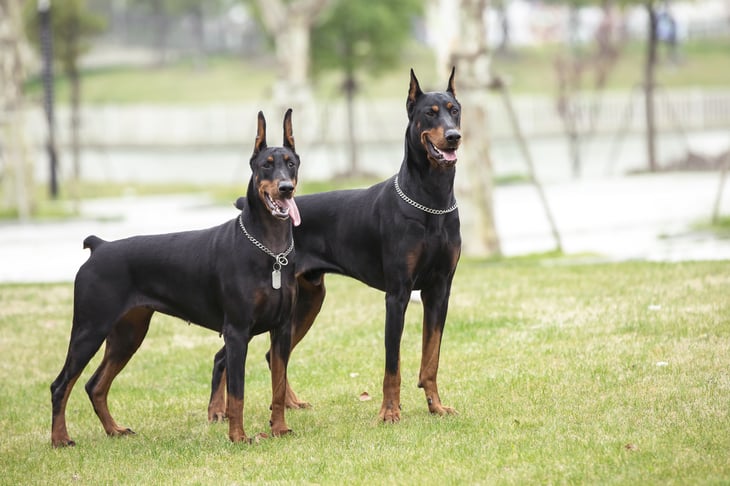
Protective nature: 5 out of 5 (with 5 being the most vigilant)
Barking level: 3 out of 5 (with 5 being the most vocal)
Trainability: 5 out of 5 (with 5 being the easiest to train)
The Doberman pinscher has a reputation for its intelligence, fearlessness, loyalty and alertness. It’s large and energetic. Prospective owners should be prepared to provide mental and physical exercise at least an hour a day.

German shepherd
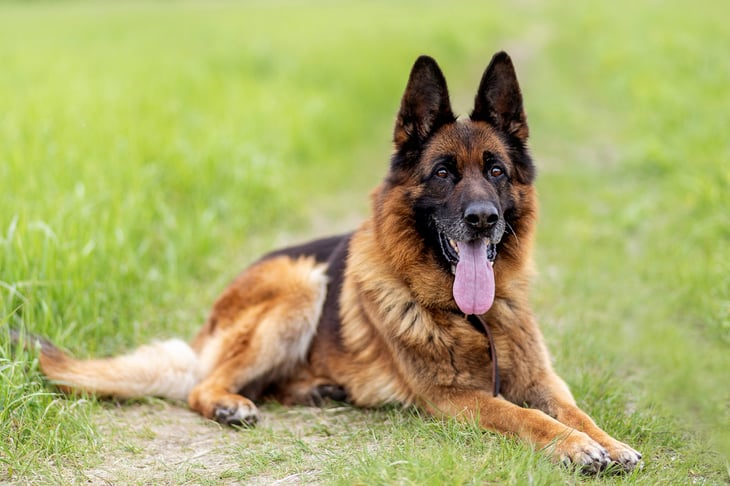
Protective nature: 5 out of 5 (with 5 being the most vigilant)
Barking level: 3 out of 5 (with 5 being the most vocal)
Trainability: 5 out of 5 (with 5 being the easiest to train)
These dogs are among the smartest and fastest of them all.
One of the most famous dogs in history — Rin Tin Tin — was a German shepherd. An American soldier fighting in World War I discovered the famous pooch in France and brought him home.

Tornjak
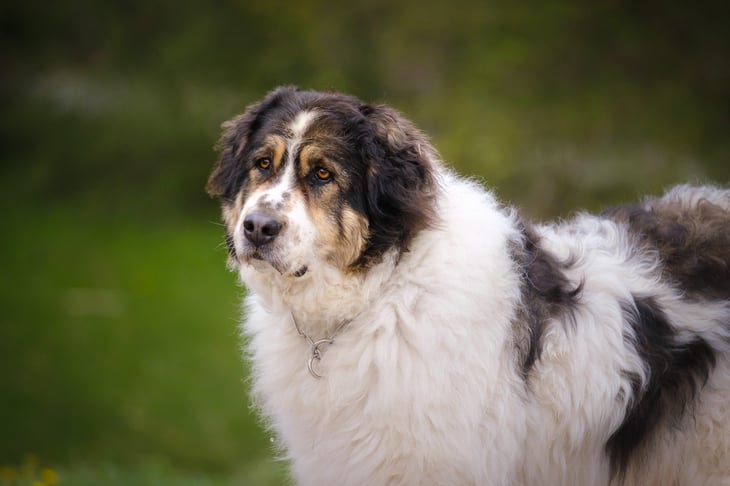
Protective nature: 5 out of 5 (with 5 being the most vigilant)
Barking level: 3 out of 5 (with 5 being the most vocal)
Trainability: 3 out of 5 (with 5 being the easiest to train)
Originally bred for guarding livestock, the Tornjak has a natural suspicion of strangers. In Bosnia and Herzegovina — where they first were bred — they were also used in weddings. They would be put to work guarding the reception, being used as a symbol of promise from the groom to protect his new wife and family.

Giant schnauzer
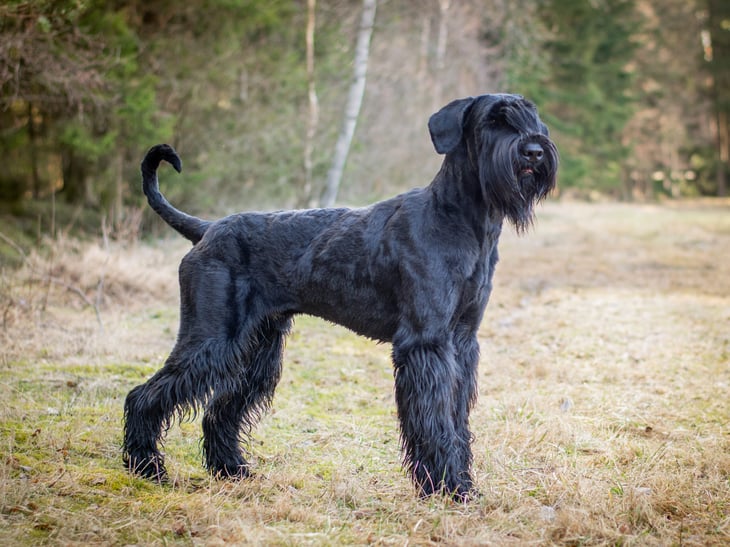
Protective nature: 5 out of 5 (with 5 being the most vigilant)
Barking level: 3 out of 5 (with 5 being the most vocal)
Trainability: 3 out of 5 (with 5 being the easiest to train)
The giant schnauzer was bred in Germany in the 1600s to drive sheep and cattle and be a guard dog. It wasn’t a well-known breed until World War I, when it was used in police training. It’s an even-tempered breed and known for its loyalty to family.

Rottweiler
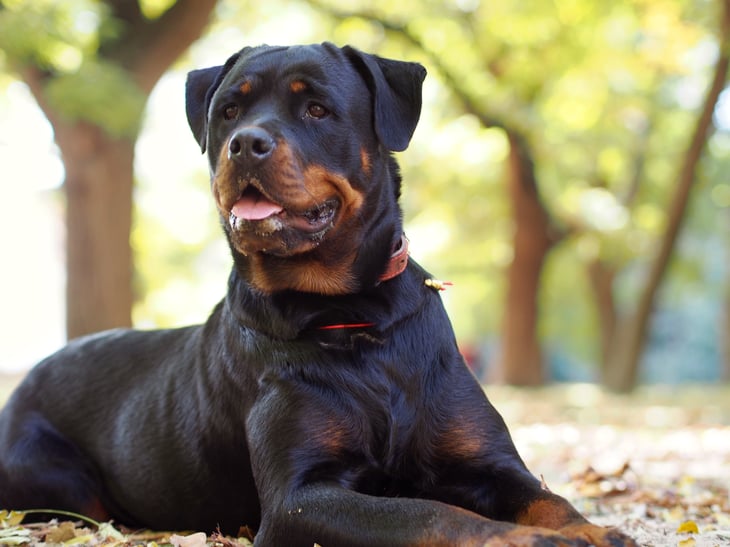
Protective nature: 5 out of 5 (with 5 being the most vigilant)
Barking level: 1 out of 5 (with 5 being the most vocal)
Trainability: 5 out of 5 (with 5 being the easiest to train)
For millennia, few people have been brave — or foolish — enough to mess with a Rottweiler. The dogs are powerful and protective, which is why cattle herders used to put their money in a bag and tie it around their dog’s neck.

Boerboel
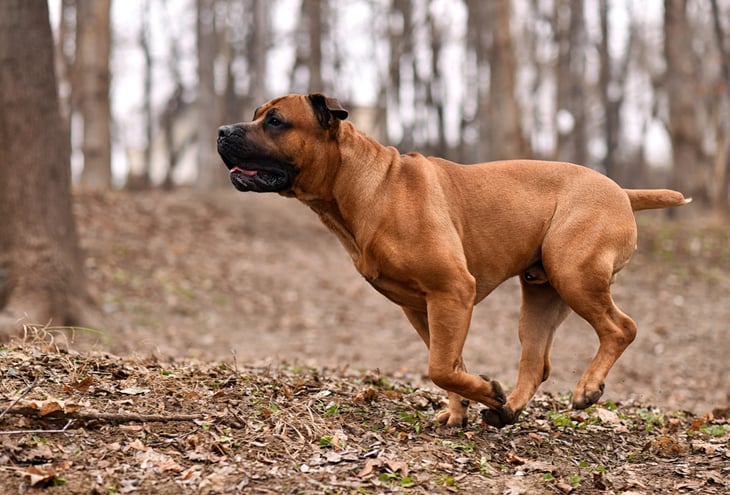
Protective nature: 5 out of 5 (with 5 being the most vigilant)
Barking level: 3 out of 5 (with 5 being the most vocal)
Trainability: 4 out of 5 (with 5 being the easiest to train)
Boerboels were originally bred to protect South African farms from predators. They stand 22-27 inches tall and weigh up to 200 pounds on average. Despite their history of and current ability to be a protector, Boerboels tend to have gentle and calm demeanors.


Add a Comment