


Florida is a hurricane hotspot. The National Oceanic and Atmospheric Administration reports that 40% of all U.S. hurricanes strike Florida, and some cities are more at risk than others.
Recently, Homeinsurance.com completed a ranking of cities in Florida that are safest from hurricanes based on National Oceanic and Atmospheric Administration data.
The ranking takes into account the number of storms as well as the numbers of deaths, injuries and incidents of property damage directly related to storms.
With all that in mind, let’s jump into which cities can provide residents with the most peace of mind during hurricane season.
10. Fernandina Beach
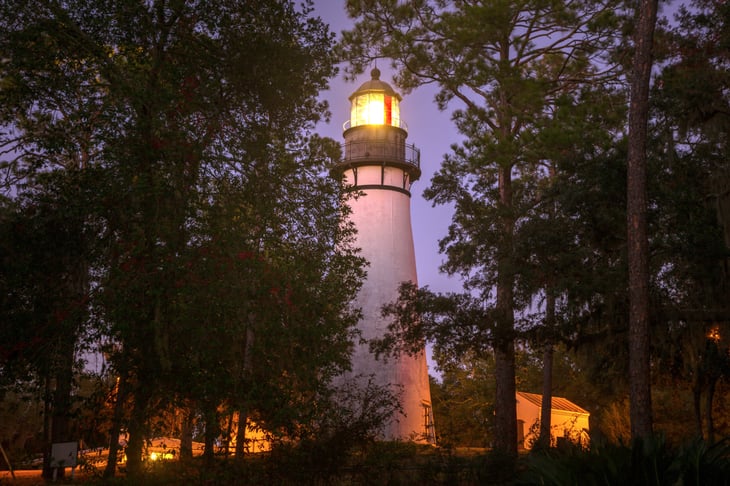
Estimated population: 14,000 as of 2023
Location: Nassau County
Fernandina Beach is one of the few cities on this list in a coastal area of Florida. It’s in the furthest northeast corner of the state, just south of Georgia. Northeast Florida doesn’t get hurricanes nearly as often as other areas of the state, thanks being in an area of cooler waters, since hurricanes need warm waters to thrive.

9. Gainesville
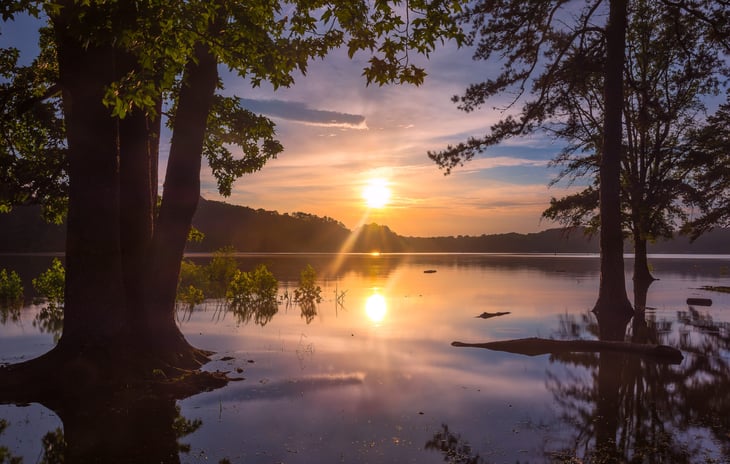
Estimated population: 146,000 as of 2023
Location: Alachua County
Gainesville’s inland and northern location insulates it well from hurricanes. However, residents here aren’t completely safe. Hurricanes can still lead to flooding, heavy rain and even tornados in the area.

8. Ocala

Estimated population: 68,000 as of 2023
Location: Marion County
A hurricane has never directly hit Ocala. Hurricanes are often broken up before reaching the city thanks to its inland location. Still, hurricanes can turn into tropical storms as they reach Ocala and cause plenty of damage.

7. Naples
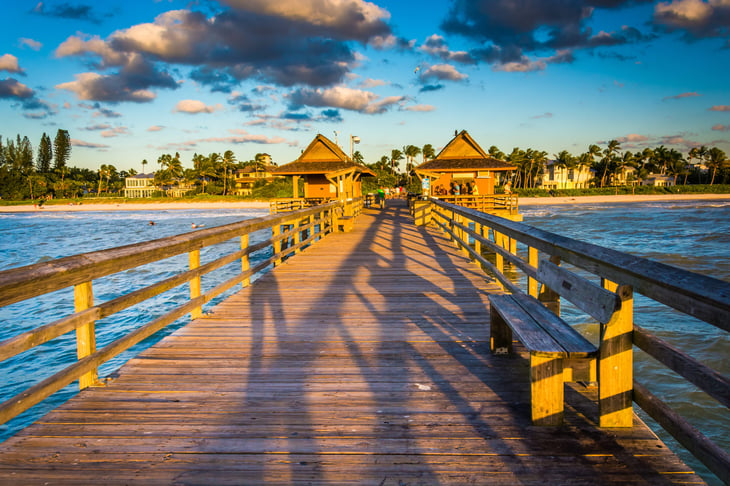
Estimated population: 20,000 as of 2023
Location: Collier County
Naples gets hit by a major hurricane every 10 or so years, and more minor hurricanes and tropical storms about every two and a half years. Flooding is always a concern in these situations, and many homeowners’ insurance policies don’t cover flood damage. Thankfully, the City of Naples has programs that save its residents $3.9 million per year in flood insurance premiums.

6. Lake City
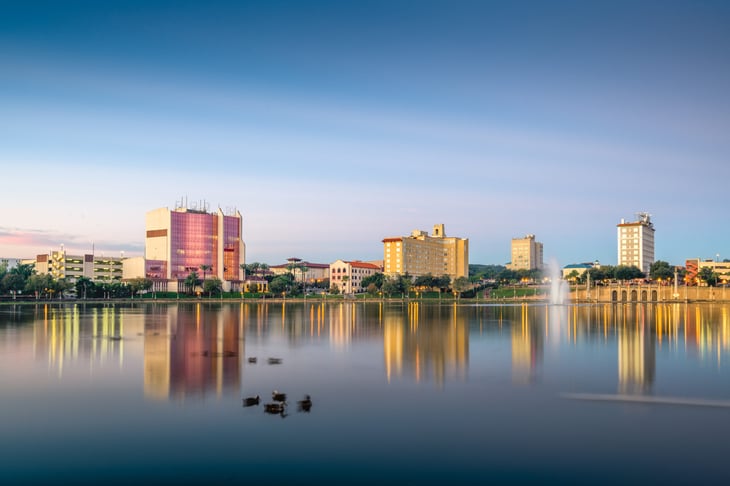
Estimated population: 13,000 as of 2023
Location: Columbia County
From 1950 to 2010, Lake City experienced 21 tropical storms and 13 hurricanes. Hurricane rates are on the lower end here on the state’s northern border, and Lake City is less likely to get tornados when compared with the state as a whole.

5. Palatka

Estimated population: 11,000 as of 2023
Location: Putnam County
Palatka is in northeast Florida and away from the coast — two factors certainly working in its favor for hurricane safety. The residents of Palatka have a good chance of evading major hurricanes.

4. Kissimmee
Estimated population: 81,000 as of 2023
Location: Osceola County
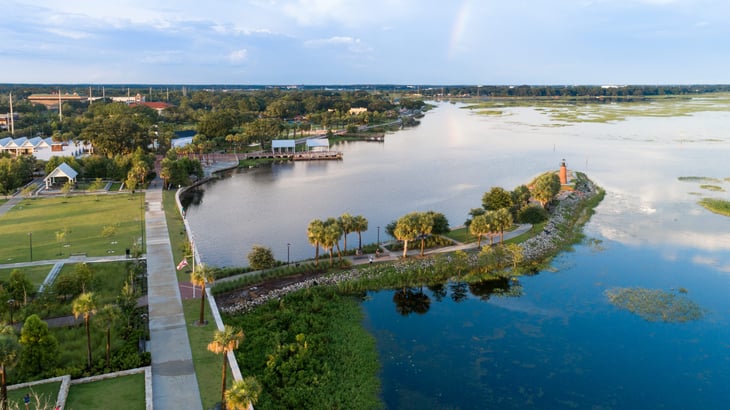
Kissimmee is tucked away in central Florida, just south of Orlando on the shores of Lake Tohopekaliga (“Lake Toho”). This central location helps it avoid the hurricane risks that come with living on the coast. It’s only had 76 storms since 1930. Hurricane Francis in 2004 was the most powerful.

3. Sanford

Estimated population: 65,000 as of 2023
Location: Seminole County
Like others on this list, Sanford is nestled comfortably in central Florida, north of Orlando on the shores of Lake Monroe. However, it can still feel the effects of wind and storms that occur after a hurricane makes landfall.

2. Orlando
Estimated population: 321,000 as of 2023
Location: Orange County
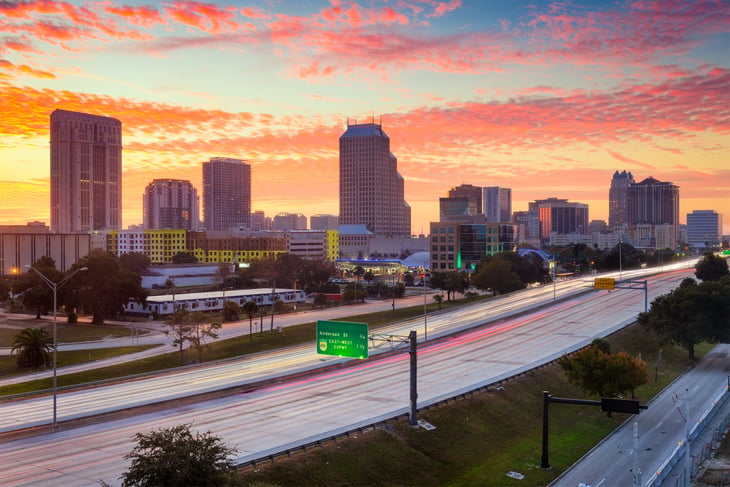
Home to more than a dozen theme parks, Orlando’s location is ideal for hurricane safety, as central Florida has the least amount of hurricane activity in the state. A hurricane above category 2 has never been recorded in Orlando.

1. Leesburg
Estimated population: 32,000 as of 2023
Location: Lake County
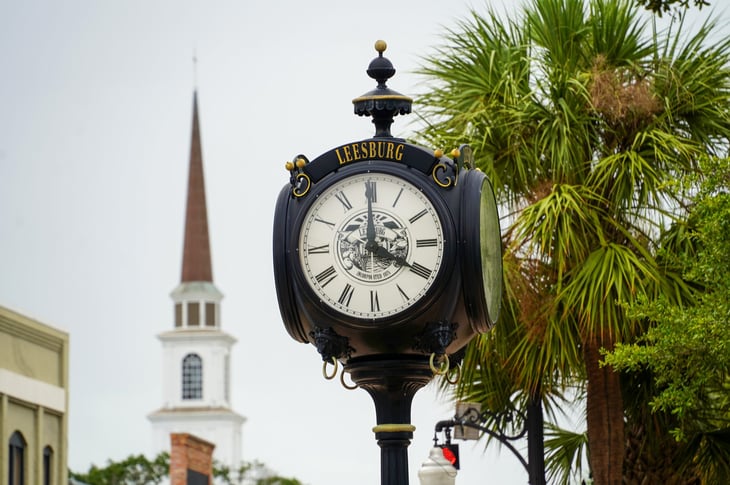
Leesburg is slightly northwest of Orlando, but still not at the coast. Tropical Storm Andrea in 2013 was the most recent to hit Leesburg, which has had only 77 hurricanes and tropical storms since 1930.


Add a Comment