


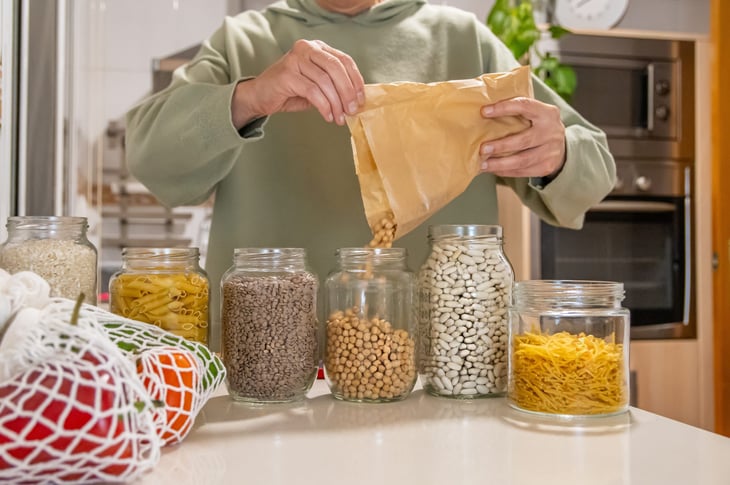
Many of us are paralyzed by the job of planning for an emergency. It’s hard to prepare for the unknown.
But stocking emergency food and supplies is like buying insurance. Your household may never face a devastating natural disaster or pandemic — but if it does, and you are unable to get to a store, having a well-stocked pantry and freezer may prove priceless.
So, if you have been procrastinating, it’s time to get on it. Following are some pointers to help you jump-start the process of building an emergency stockpile for your home.
1. Set a goal and get started

How much do you want to store? Should you aim for three days’ worth of supplies? Or enough for three months? What to stock up on for emergencies depends on the kind of emergency that is most likely to strike where you live and how long you anticipate access being cut off from supplies.
At the very least, the federal government recommends you have a basic emergency supply kit that includes enough food and water for each of your household members for at least three days.
Other supplies on their list include a flashlight, battery-powered or hand-cranked radio, and basic first-aid supplies.
But you can be much more secure in a crisis if you go beyond the bare minimum of 72 hours. Once you hit that goal, move the goalposts to one or two weeks. Keep it up until you’ve reached your ultimate goal.
2. Prioritize water and store it safely
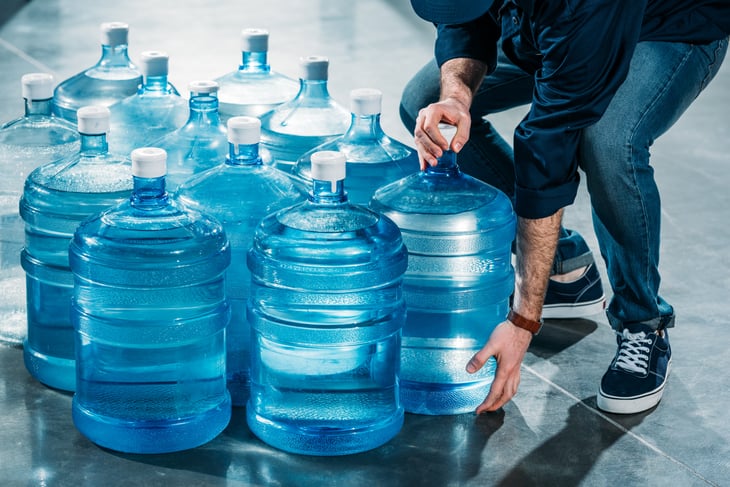
The Centers for Disease Control and Prevention (CDC) recommends storing 1 gallon per day for each person and maintaining a two-week supply if possible. Don’t forget to store extra water if you have pets.
“Unopened commercially bottled water is the safest and most reliable emergency water supply,” according to the CDC.
Alternatively, you can store tap water in your own containers.
The CDC is one of the best resources for understanding what to stock up on for emergencies and recommends the following:
- If you use store-bought water, check expiration dates and replace accordingly. Such dates are added since, over time, plastic can begin leaching into bottled water, bringing negative health effects.
- Replace water you’ve stored yourself every six months.
- Keep a bottle of unscented liquid chlorine bleach with your emergency supplies for cleaning and sanitizing and for disinfecting water. Also check expiration dates since bleach can begin to break down over time.
- Don’t use bleach with color-safe or cleaning additives. Look for a label that says the product is safe for disinfecting water.
3. Buy in bulk
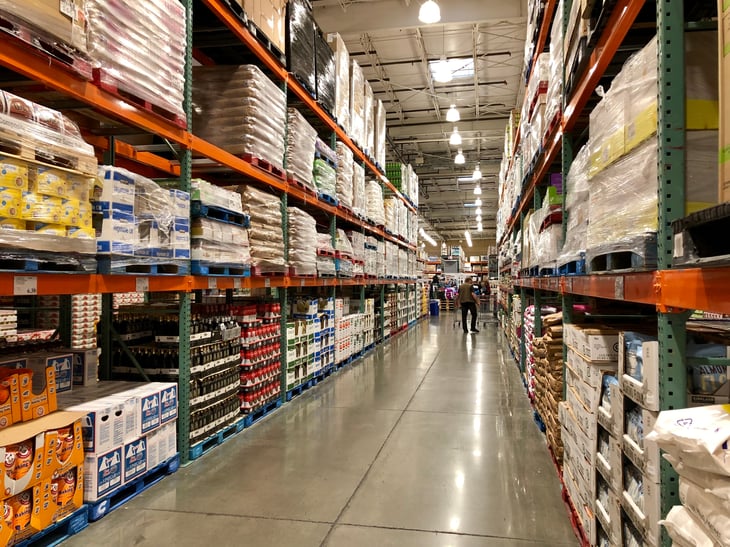
To stockpile affordably — especially if you have a large household or want a full, long-lasting stockpile — buy what you can in bulk. If you’re unsure what to put on your bulk shopping list, check out “15 Foods That Will Keep for Years — If You Store Them Right.”
If you don’t belong to a warehouse club, see what foods your local Walmart sells in economy sizes — such as a 4-pound jar of peanut butter for about $6.
4. Know which foods are best to stock up
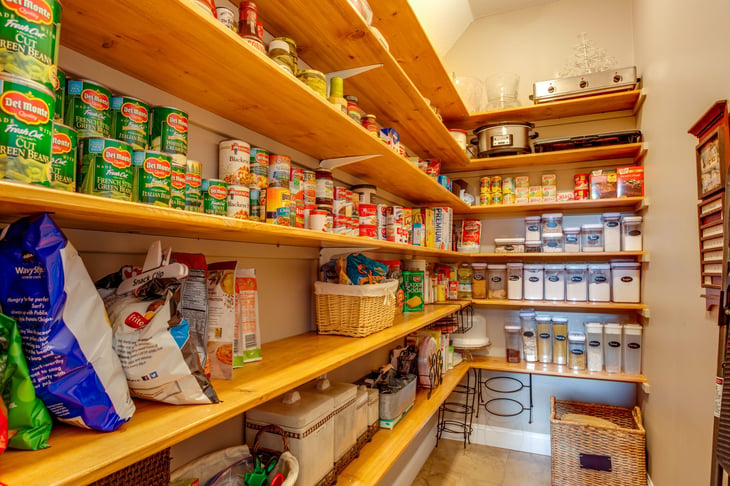
When you eat from a stockpile, it can get boring. Real Simple’s emergency food supply list has foods that not only need no cooking and are nutritionally dense but also are tasty. The following items are included:
- Peanut butter
- Whole wheat crackers (consider vacuum packing to prolong freshness)
- Nuts and trail mix
- Cereal (individually packaged to prolong freshness)
- Power bars and granola bars
- Dried fruits
- Canned meat such as tuna, salmon, chicken and turkey
- Canned vegetables such as corn, carrots and peas
- Canned beans, soups and chili
- Sports drinks (avoid ones laden with sugar and artificial color)
- Sugar, salt and pepper
- Powdered milk
Remember also to pack a can opener.
For more ideas, see “20 Things That Are Actually Worth Stockpiling.”
5. Include seeds for sprouting
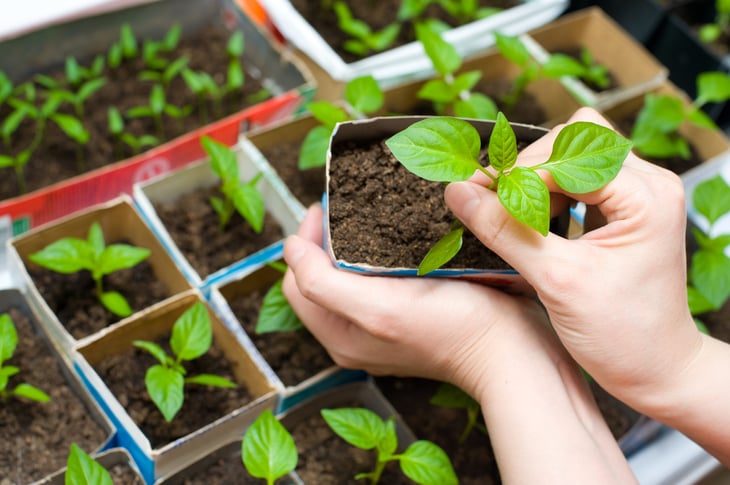
Vegetable, nut and grain seeds for sprouting are a good addition to your stockpile.
The Micro Gardener has tips on how to grow vegetable sprouts in a Mason jar. Vegetarian Times lists grains and nuts that make good sprouts, as well as how to safely make and consume sprouts, avoiding bacteria.

6. Stock up on longer-lasting fresh items when possible
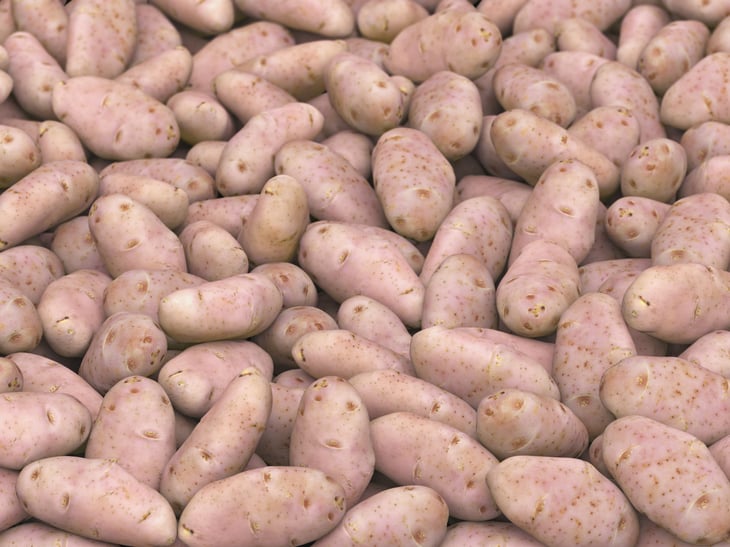
If you see trouble coming and are able to buy fresh foods, Real Simple recommends items that can last for weeks or even months if stored properly, such as:
- Apples
- Citrus
- Winter squashes such as acorn squash
- Potatoes and yams
7. Rotate food rations
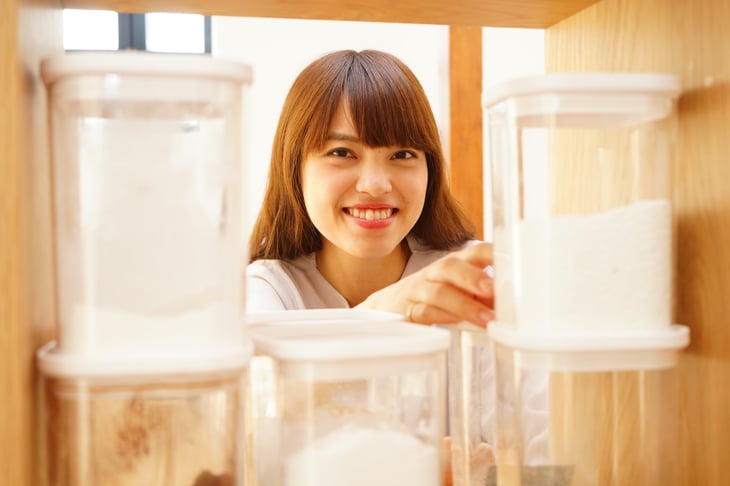
To make sure your stored food is safe and nutritious when you need it, check the remaining shelf life of each item periodically. Rotate foods near the end of their shelf life by using them in your kitchen. Then, add fresh supplies to the stockpile.

Add a Comment