


Editor's Note: This story originally appeared on LawnStarter.
Pop quiz: Do you think you know how to best manage your lawn and landscape?
LawnStarter surveyed over 1,000 U.S. homeowners about common lawn care misconceptions.
Test your knowledge and discover the survey results below, including demographic insights such as age, education, and income.
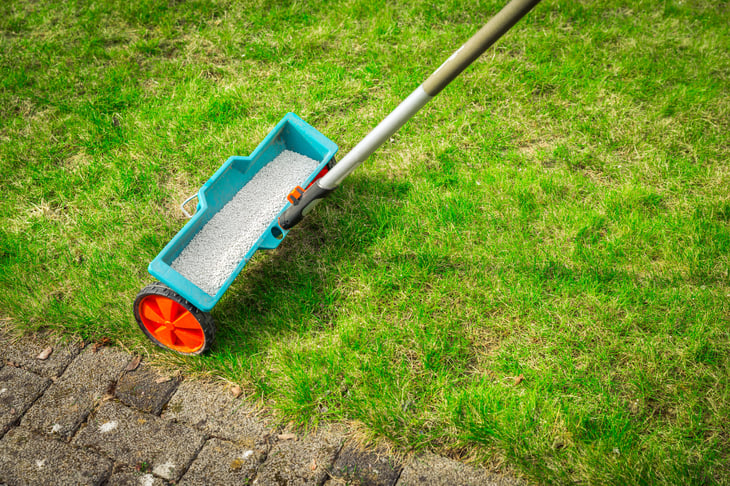
1. True or False: There’s no such thing as too much fertilizer
- True: 23.6 %
- False: 76.4%
Answer explained: False, too much fertilizer can lead to fertilizer burn, thin and patchy grass, or even a dead lawn. Test your soil before applying fertilizer to know how much your lawn really needs.
Demographic Insights:
- Education: Nearly half of respondents with no schooling completed are liberal with their lawn fertilizer, marking this question “true” incorrectly (47.62%), followed closely by respondents with a doctorate, advanced, or professional degree (34.12% incorrect)
- Age: Older and wiser — respondents ages 65 and up claim the highest accuracy across half of the survey questions, with 90.61% getting this one right.

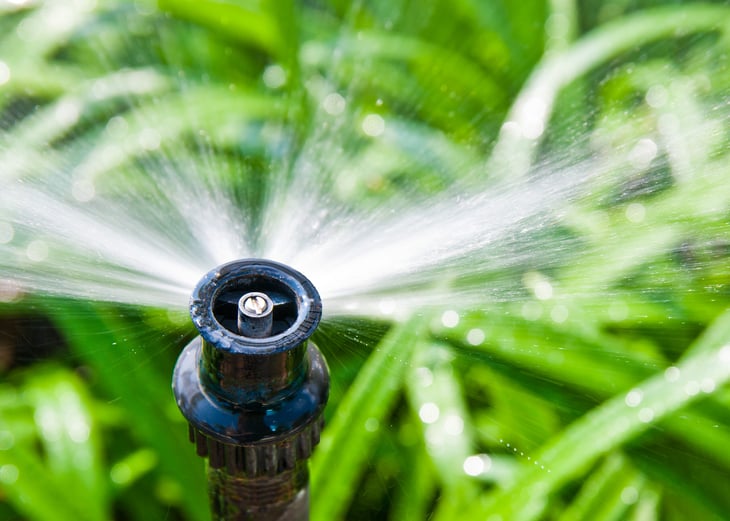
2. When’s the best time of day to water your lawn?
- Morning (5 to 9 a.m.): 53%
- Mid-day (10 a.m. to 3 p.m.): 12.38%
- Evening (5 to 9 p.m.): 23.79%
- Night (10 p.m. to 5 a.m.): 10.83%
Answer explained: Wind, evaporation, and fungal lawn diseases are less likely to impact your lawn if watered in the morning, between 5 and 9 a.m. Evening watering is OK if necessary, but comes with a higher chance of causing brown patch fungus, dollar spot, and other diseases.
Demographic Insights:
- Age: Over half of respondents across all age groups got this question right — except for respondents ages 18 to 24, with 48.78% answering correctly.
- Income: 60.38% of homeowners making over $150,000 got this one right. Meanwhile, those making less than $20,000 had the fewest correct answers (44.57% correct) with 30.43% of respondents opting for evening watering.

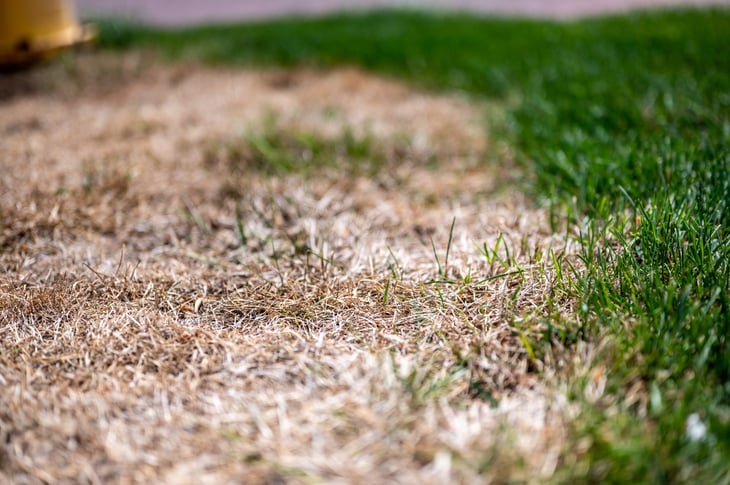
3. True or false: Brown grass is dead grass
- True: 44.78%
- False: 55.22%
False: Brown grass may be dormant, meaning it will revive when temperature or watering conditions are ideal for the particular grass type. Dead grass will not grow back and is easily torn from the ground when pulled.
Demographic Insights:
- Age: 78.05% of those ages 18 to 24 got this question wrong, while 69.39% of respondents ages 65 and up answered correctly.
- Income: Over half of all income groups got this question right, except for respondents making less than $20,000 — with only 39.13% correct answers.

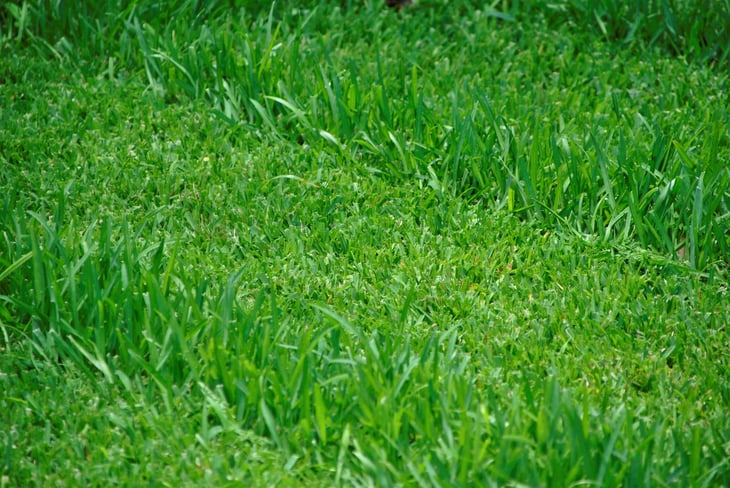
4. Throughout the year, how much of the grass blade should be cut while mowing?
- The top 1/8: 10.74%
- The top 1/4: 46.71%
- The top 1/3: 23.98%
- The top 1/2: 18.57%
Answer explained: Cutting more than ⅓ of the grass blade at once can lead to dehydration and brown patches. Grass that is left too long can harbor insects and pests, lead to nutrient depletion, and cause root stress. Follow the “one-third rule” to avoid scalping your lawn or leaving the grass too long.
Demographic Insights:
- Education: Sharp minds and sharp-looking lawns — Those with a doctorate, advanced, or professional degree outsmarted the other educational groups with 38.82% choosing the correct answer.
- Age: Only 7.32% of those ages 18 to 24 got this one right, while respondents ages 35 to 44 had the highest accuracy out of all age groups — 29.66% correct.

5. True or false: Grass clippings smother the grass
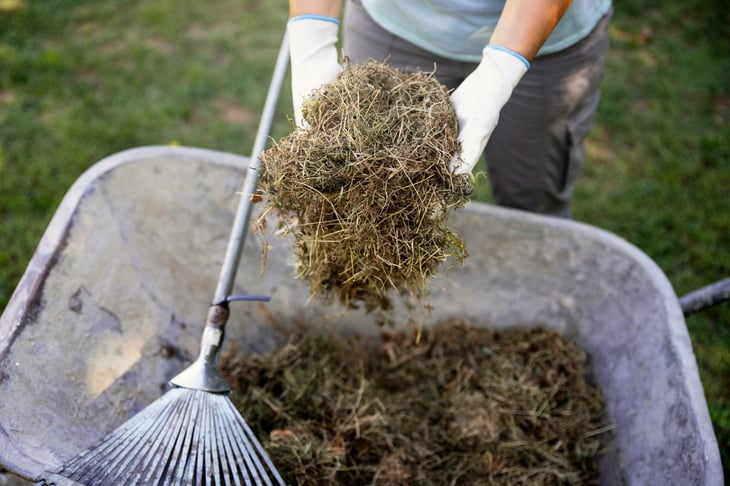
- True: 47.20%
- False: 52.80%
False: 10.8 million tons of yard clippings end up in landfills every year — but not only do grass clippings easily mulch into the yard, but they can also prevent weeds, improve moisture, and fertilize your lawn.
Demographic Insights:
- Education: Only 28.57% of those with no schooling completed got this one correct, compared to nearly or over half of respondents from the other education groups.
- Age: Respondents over 65 years old answered most accurately, with 72.24% correct responses.

6. When’s the best time for the last mow of the year?

- At least a week before the first frost: 71.47%
- During the first frost: 9.86%
- The week after the first frost: 18.67%
Answer explained: Mowing during or after the first frost of the year can stress your lawn and cause damage to grass blades.
Demographic Insights:
- Education: Those with no schooling completed had the highest accuracy, with 80.95% getting this one right.
- Age: Respondents ages 18 to 24 stand out for having the most correct responses (85.37%). Meanwhile, folks over the age of 65 had the lowest accuracy — 67.76% correct.

7. True or false: Shorter lawns require less frequent mowing

- True: 45.45%
- False: 54.55%
Answer explained: Mowing your lawn too short can make your yard more susceptible to weeds, brown patches, pests, and diseases. Ideal mowing height depends on the grass type, and the shortest grass types still need to be mowed weekly or bi-weekly depending on the season.
Demographic Insights:
- Education: Only those with a college degree (60.67%) or some college experience (57.47%) had over half of respondents get this one correct.
- Age: 69.39% of respondents 65 years old and above answered correctly, while just 29.27% of those ages 18 to 24 got this question right.

8. When’s the best time to start spring lawn care?
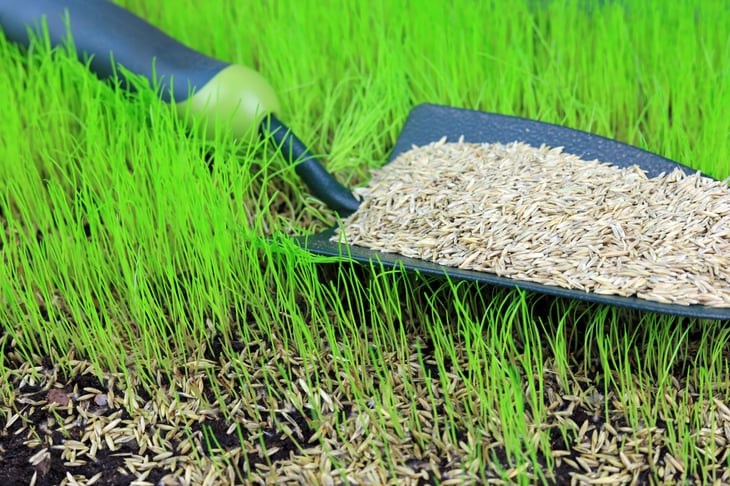
- Before the last frost: 31.33%
- After the last frost: 68.67%
Answer explained: Treating your lawn before the last frost of the spring can lead to brittle and damaged grass blades. Wait until your grass has recovered from the winter before starting your spring lawn care tasks.
Demographic Insights:
- Education: Those with some college experience (72.85%) or their high school diploma or GED (71.98%) got this most correct, while less than half of those with no schooling completed got it right.
- Age: More than half of all age groups answered correctly, except for those ages 18 to 24 (43.9% correct).

9. True or false: 1 grub per square foot is a sign of a serious infestation

- True: 65.67%
- False: 34.33%
False: Grubs are common larvae and act as natural dethatchers — it’s no issue to see a few on your lawn. A serious grub infestation is indicated by 10 or more grubs per square foot.
Demographic Insights:
- Education: Only 19.05% of those with no schooling completed answered correctly, while about ⅓ or more of the other education groups got the right answer.
- Age: With 27.76% correct, respondents over 65 had the lowest accuracy for this question.

10. True or false: It’s OK to mow a wet lawn

- True: 66.63%
- False: 33.37%
Answer Explained: It’s OK to mow when the grass has some dew, but using a mower on drenched turf can lead to compaction, clumping grass, fungal infestations, an uneven mow, and, most importantly, poses a safety hazard.
Demographic Insights:
- Education: Those with their high school diploma or GED answered most correctly (71.21%), while folks with a doctorate, advanced, or professional degree had the least accurate answers — 52.94% right.
- Age: Folks making over $100,000 had the most confusion about this misconception, with over 41.51% of respondents in this income bracket thinking it’s OK to mow a wet lawn.

Behind the Survey

LawnStarter collected survey responses from a random sample of 1,034 U.S. homeowners aged 18 or older via Alchemer and Cint on Sept. 26, 2024.
Each response was anonymized using a unique user ID generated and assigned by Cint.

Add a Comment